If you’re reading this, you’ve probably had some level of curiosity about how CBD helps running and workout recovery. I personally grappled with “should I” or “shouldn’t I” take CBD for quite some time Of course, I had heard of CBD, people had been knocking on my metaphorical door for quite some time. Truthfully, it sounded like the latest, greatest alleged “cure all,” so, of course, I was skeptical and had my concerns.
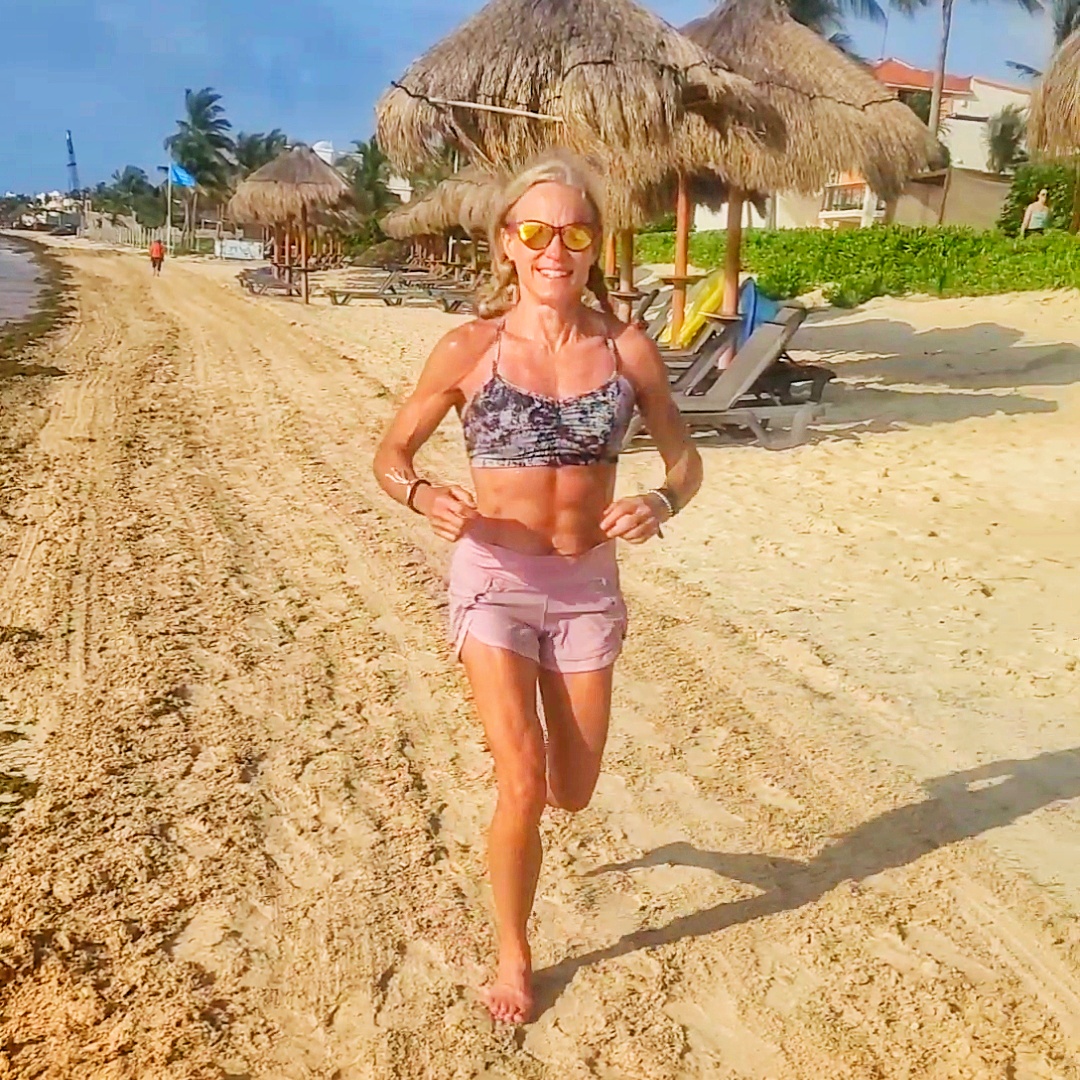
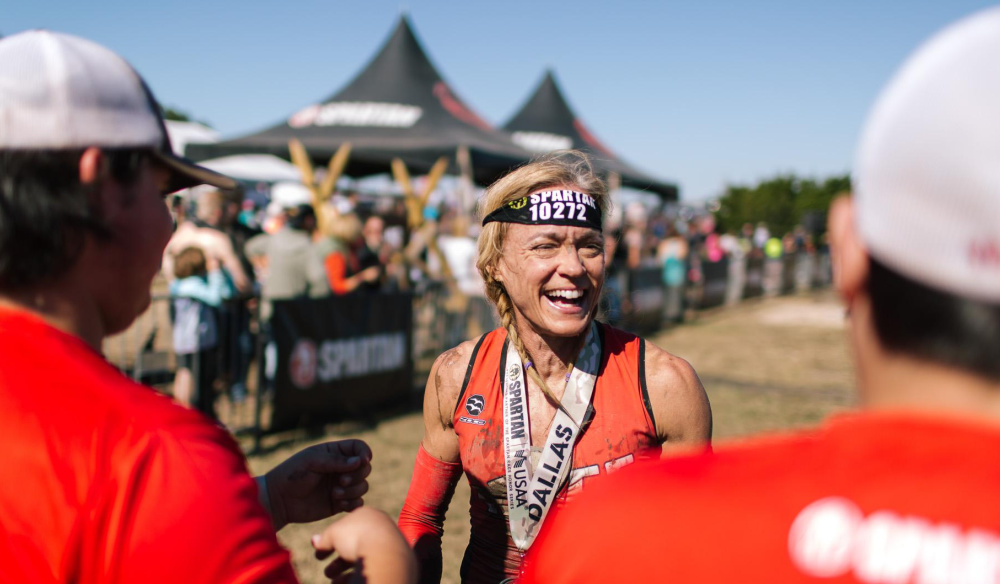
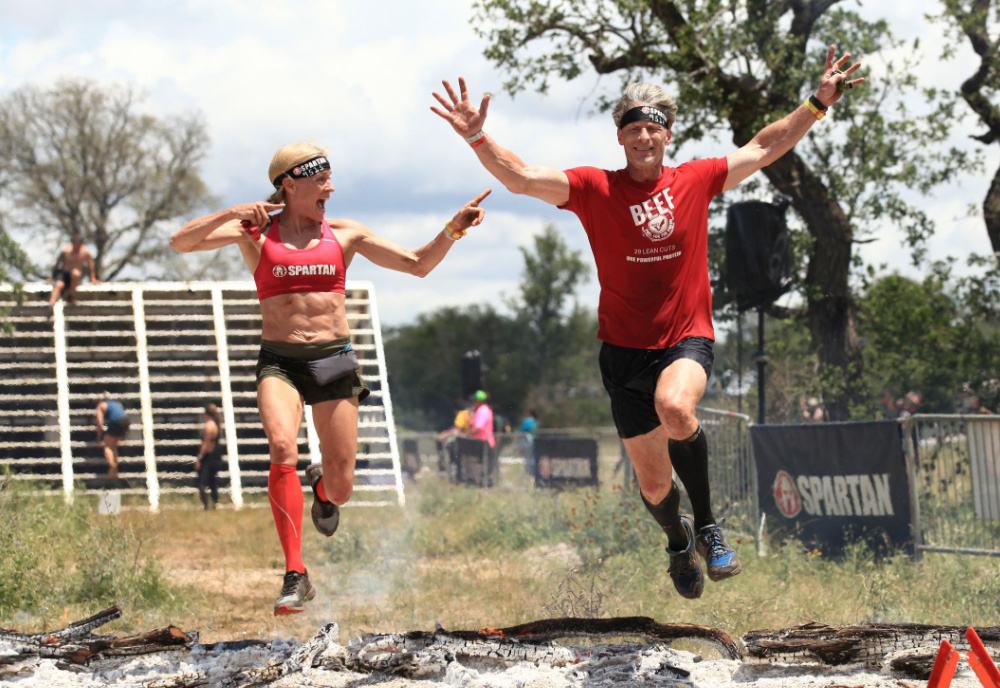
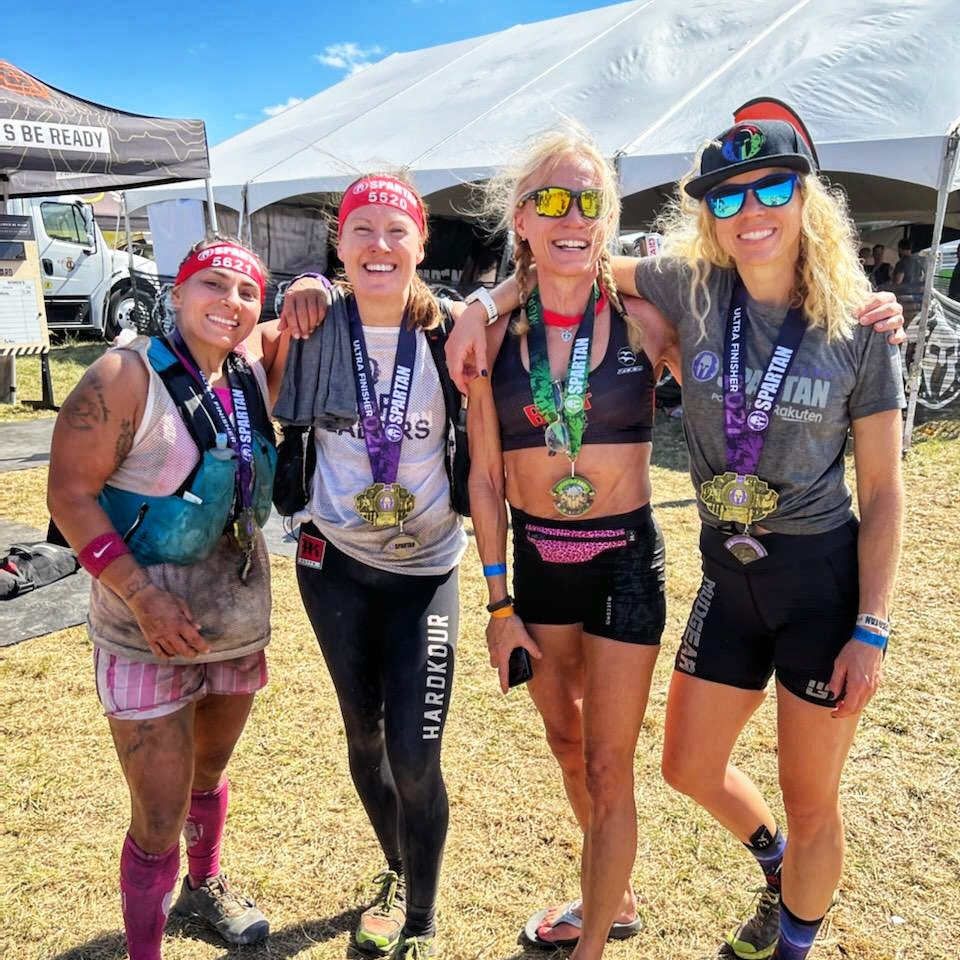
Eventually, I decided to try CBD for myself after taking the time to look at the research, to understand more in depth what CBD could do for me (and what it wouldn’t do to me), and how this all would benefit my lifelong fitness journey as an athlete over 50.
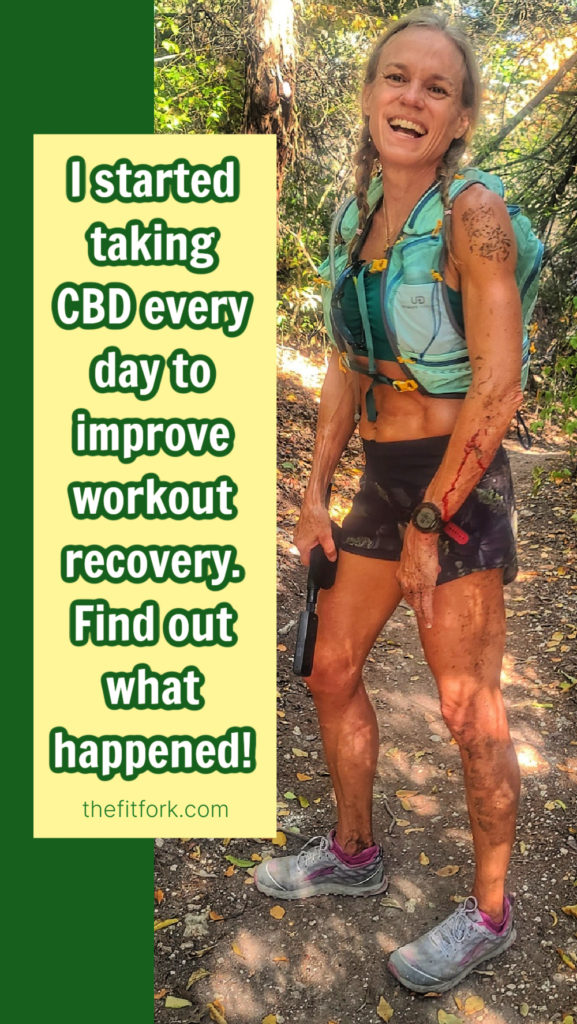
But First, Is CBD Safe?
I was compelled to learn more about CBD for runners an athletes– was it safe to incorporate into my endurance routine and would there be unwanted outcomes? I mean, although CBD is naturally occurring chemical plant compound with potential therapeutic effects, one of my main concerns was I going to feel weird, high or not in control of my body and thoughts – and would I fail a drug test?! I’m super conservative and mindful about what I put into my body, so I did my due diligence. I learned that CBD and THC (tetrahydrocannabinol), the well-known cannabinoid that provides psychoactive effects, have NOTHING to do with each other except that they hail from the same plant. So, NO feeling high with CBD – whether that’s a good or bad thing for you, ha-ha! Plus, it is important that you use a high-quality, trusted brand, – I’m using Venga CBD made specifically for endurance athletes.
Pre-CBD Self-Assessment: Before starting my CBD regimen, I was experiencing some pretty common issues among athletes, especially us older ones. Things like muscle and joint soreness from trying to keep up with daily training plus a little arthritis pain here and there. Poor sleep, chalked up to slow workout recovery, the joys of menopause and busy mid-life responsibilities, and a brain that doesn’t want to fire down at night. A little pre-race and general life anxiety. Nothing too serious, and I hate to complain as someone who is healthy and fit and blessed in a million ways. But yet these body and mind stresses were nagging enough that it was making it harder and harder for me to stay in the game as a competitive athlete.
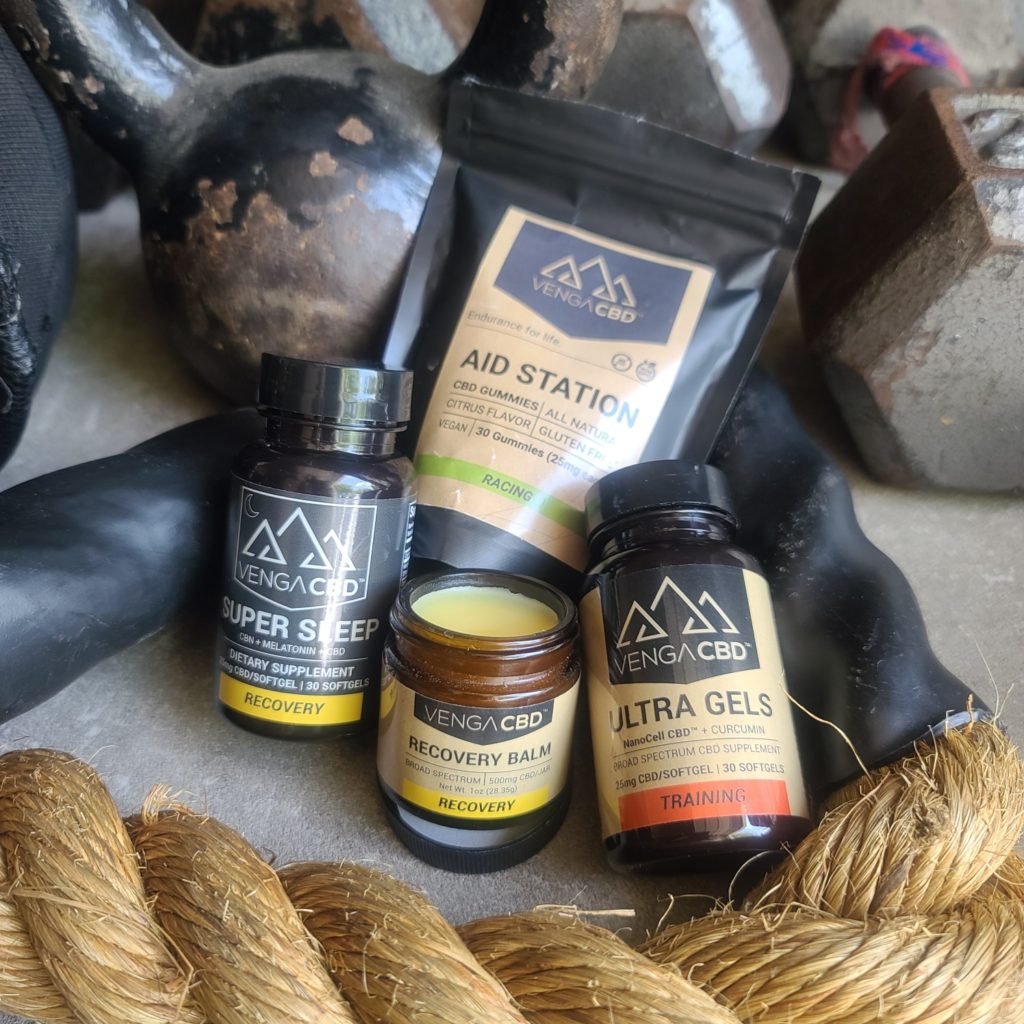
My CBD Routine: I started using various products in the Venga CBD portfolio (see below). I chose this brand for many reasons, including their wealth of online resources explaining how CBD can help improve performance. When I say, “improve performance,” please understand that CBD is not a performance enhancer in the moment, but rather it benefits other areas of your life as an athlete such as recovery, pain management, sleep, anxiety, and more. Venga also is designed specifically for the athlete lifestyle and also uses a proprietary method in drastically improve (up to 5x more) the bioavailability of CBD in the body as compared to other brands.
- Ultra Gels (boosted with curcumin): I take 1 or 2 of these cbd oil capsules based on my training load and perceived load.
- Aid Station Gummies: These are the best CBD gummies and are easy to take along during training or a race for an energy boost — and they taste great too.
- Super Sleep (with Melatonin and CBN): Good sleep is where we recover and make gains and I use these, not every night, but on an as-needed basis.
- Recovery Balm: This CBD balm for athletes smells great and helps my aching hands, fussy hips and sometimes knees. I apply it before and after workouts, as needed.
Post-CBD Self-Assessment: After taking my CBD regime for 60 days, I was feeling pretty great. I needed to increase my running mileage training for an upcoming event, and I was able to do that easier on this CBD routine that I was able to in the last 5+ years.
As I said earlier, when it comes to CBD for athletic performance, you CAN’T look at as a performance enhancer (per se) that you pop and it makes you run faster or lift heavier in the moment. It’s NOT that. But CBD can help you recover better and quicker, so you can train harder and longer – and that’s where the gains are! I’ve also noticed, that I’m sleeping a better without anxiety. Funny thing is that I’d consider myself an easy-going person, but at night is where my anxiety that has piled up through the day comes flooding out! Now my brain feels calmer and more relaxed until I drift off.
I’m so happy that I started taking CBD in my 50s, not just because I’m still out there pursing my passions full speed ahead – but because it has helped me mostly eliminate use of NSAIDS (like Ibuprofen(Advil), Naproxen (Aleve), Aspirin) which studies have shown carry risk of cardiovascular issues, kidney damage, high blood pressure and even may slow muscle and tissue repair.
Final Thoughts: As an older endurance enthusiast, I would give the thumbs up to incorporating a CBD for athletes in your training. I encourage you to do your own research and make an educated decision. You will want to use a brand that is trust-worthy, effective in terms of bioavailability, and free of all TCH. As mentioned, I use Venga CBD – and if you should so choose to try it out, feel free to use my discount code THEFITFORK-15 to save 15%

Disclaimer: These are my personal opinions and experiences. You should always consult with a healthcare professional before incorporating CBD or any other supplement into your regimen.