Fat and then Carbs! Latest in Pre-Race Nutrition for Marathons and Ultras

Wondering what to eat to easily get through a marathon or ultra race?

Wondering what to eat to easily get through a marathon or ultra race?

Before you binge out on pasta dinners and bagel breakfasts, you might want to take a serious look at what researchers are reporting about “carbo-loading” before a marathon or long endurance event. The days of high-carb diets may be over – well, make that modified — for athletes who want to perform their best on race day, or so says the March 2013 issue of Competitor magazine. New research is suggesting that a low-carb diet may actually have benefits because it trains an athlete’s muscles to be better fat burners.

When muscles can access fat as fuel during a race, glycogen stores are spared and saved for use later down the road – this means “hitting the wall” or “bonking” can be delayed and perhaps even avoided completely. But don’t swear off pancakes just yet. Training day after day on a low-carb diet can leave a runner feeling sluggish and slow because glycogen stores never get topped off. Plus, there hasn’t been any irrefutable, one hundred percent conclusive proof that removing carbs from the diet improves endurance performance. In fact, one study at the University of Birmingham in England found that low-carb runners (41% carbs) reported more fatigue and showed reductions in performance than their high-carb counterparts (65% carbs) during intensive training runs.

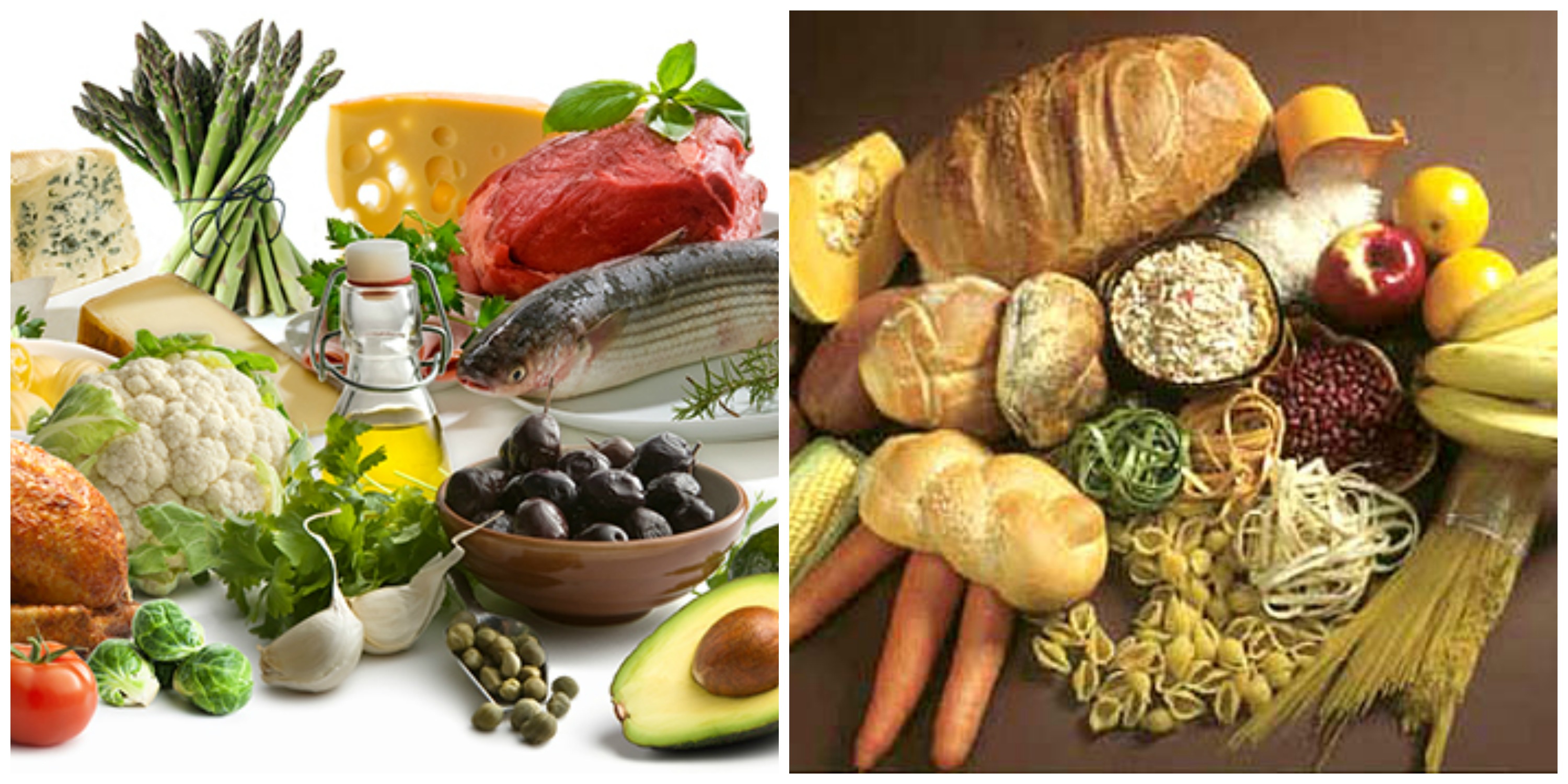
Good fat-loading choices on left. Good carb-loading choices on right.

Good fat-loading choices on left. Good carb-loading choices on right.

A new pre-race nutrition paradigm that combines the two ‘loading’ approaches is being recommended by experts in the sports performance field.  Here’s the plan in a nutshell. About two weeks out from an endurance event, aim to get about 65 percent of calories from fats and continue this high-fat intake for 10 days. This “hall pass” to eat fats doesn’t mean you can pig out on pizza and ding-dongs all day, or really any day. Quality fats from healthy oils, nuts, meats, avocados, whole milk, cheese, eggs, and fatty fish are what should be on the table. During this phase, your body will learn how to tap into fat stores for fuel; and, your training won’t suffer much because you’ll be tapering down anyway.

After 10 days of eating low-carb, high-fat foods, switch to a traditional “carbo-load” diet that incorporates 70 percent of calories from carbohydrates for the next three days. This ensures that your glycogen levels are as high as they can be and are raring to go on race day. Stay away from processed carbs and too much sugar. Instead, top off your tank with high-quality, healthy carbs including whole-grain pastas, breads, and rice along with plenty of fruits and veggies (but, of course, cut the fiber intake 24 hours before event).

A study conducted by the University of Cape Town in South Africa implemented this 10-day ‘fat-load’ followed by 3-day ‘carbo-load’ plan on a group of experienced cyclists. After a moderate two-hour warm-up, the athletes were able to complete a 20k time trial 4.5 percent faster following the new diet protocol. What do you think? Is it worth a try?

To recap:

  • Day 14 through Day 5 before event: High-Fat, Low-Carb
  • Day 4 through Day 2 before event: High-Carb, Low-Fat
  • Day 1: Race!

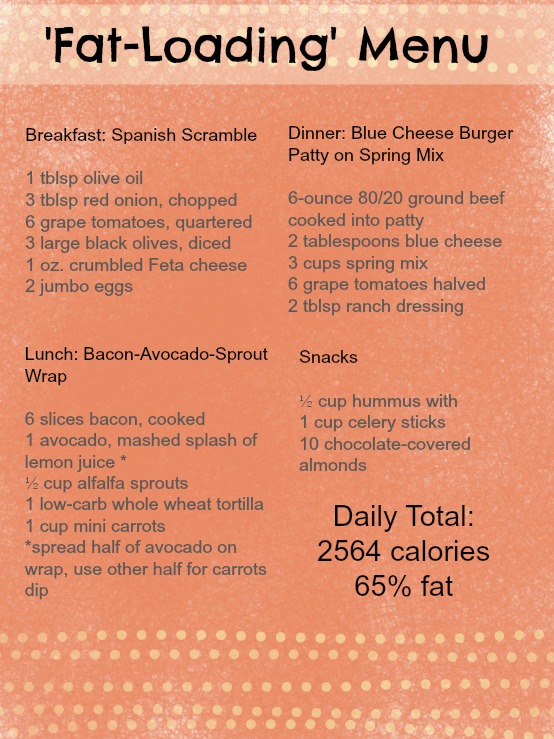
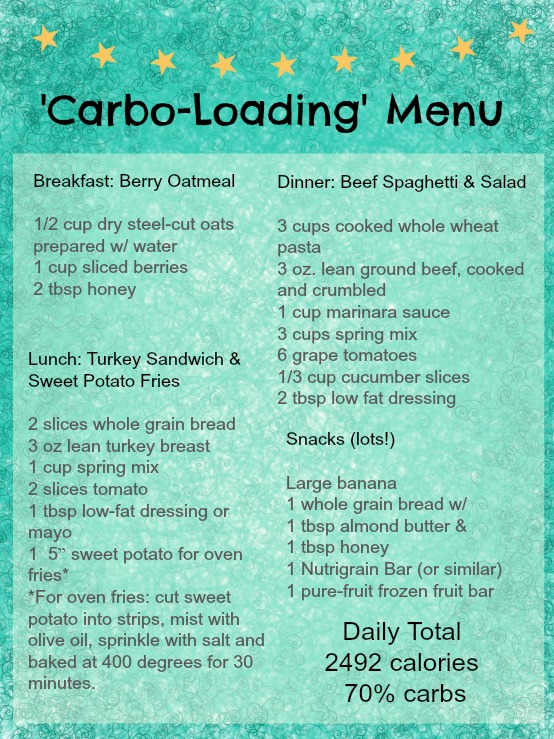
 To give you an idea of what a “High Fat, Low Carb” and a “High Carb, Low Fat” days look like, I’ve come up with a sample menu based on an approximate 2,500 calorie diet.

Jennifer Fisher - thefitfork.com - fat-loading menu


jennifer fisher - thefitfork.com - carbo loading menu

Ditch the Drive-Thru! Make a Steak-Egg-Avocado Breakfast Sandwich Faster, Better.

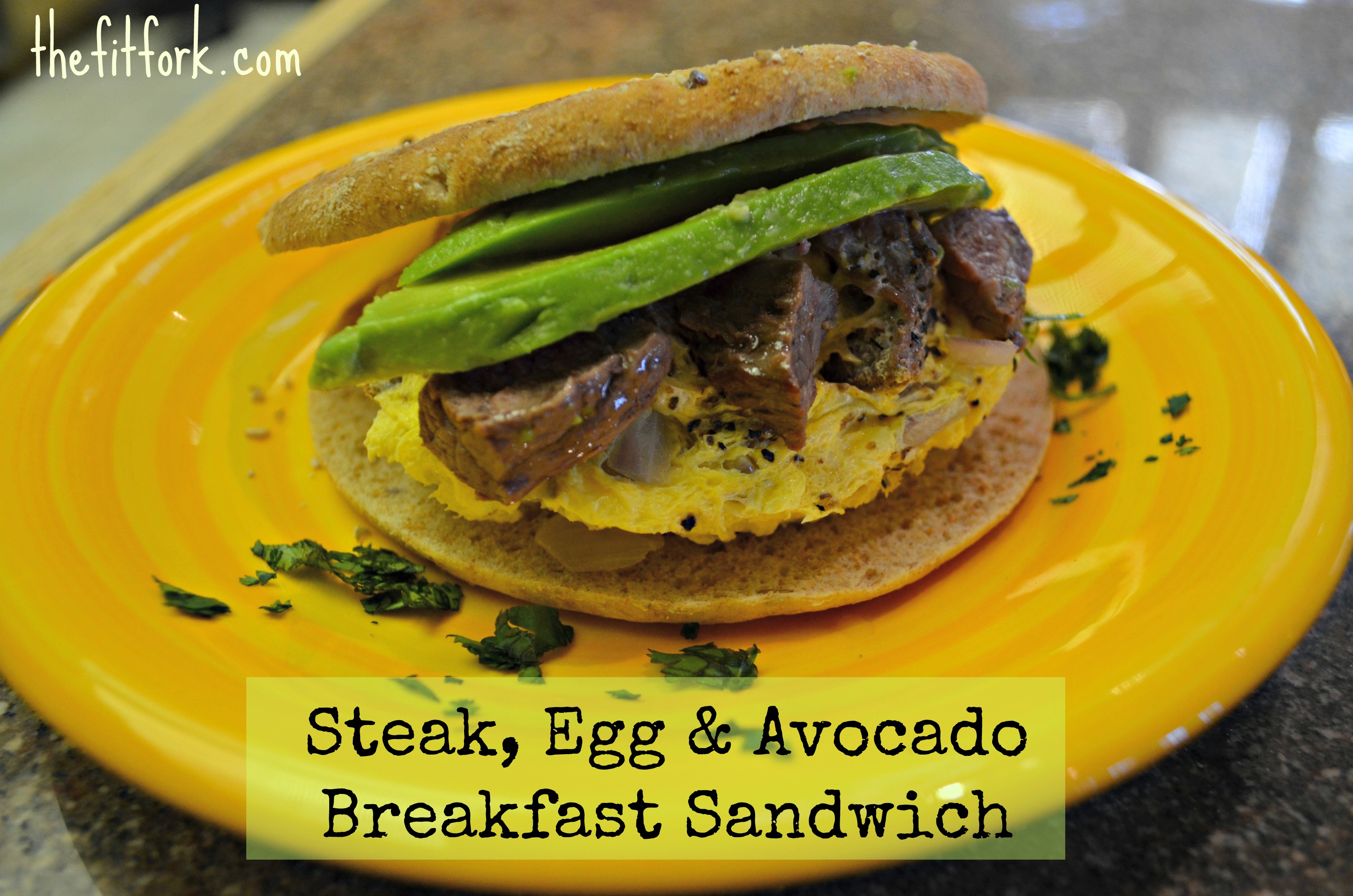
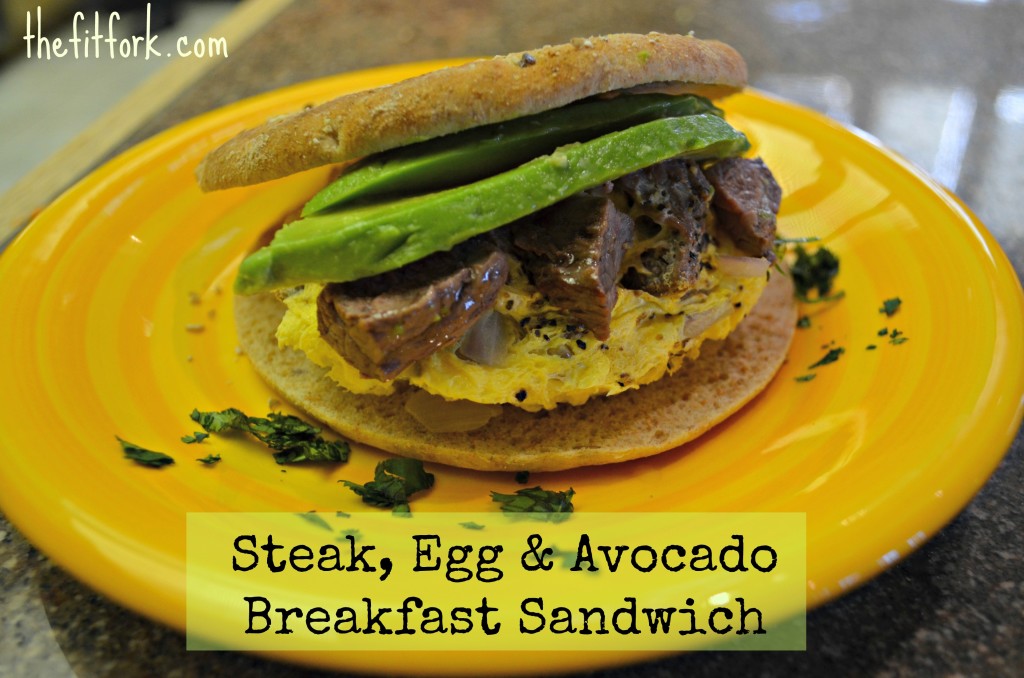
jennifer fisher - thefitfork.com steak egg avocado sandwich

It’s important to eat a healthy meal in the morning; there is no good excuse not to. You’ll definitely want to make my super-fast, super-tasty, super-healthy Steak-Egg-Avocado Breakfast Sandwich after reading all this eye-opening information.

So there is no denying that a (good) breakfast does a body good. A study presented in 2003 at the American Heart Association’s annual conference showed that not only are breakfast-eaters less likely to be obese, they’re also more likely to have normal blood sugar levels and less likely to be hungry later on in the day.

Taking this a step further, not just eating breakfast, but eating protein at breakfast is essential, according to research at the University of Missouri. The findings suggest eating a higher-protein breakfast (20 -25grams) could be an effective strategy to improve appetite control and prevent overeating. MRI scans of the participants showed that brain signals controlling food motivation and reward-driven eating behavior were lessened after consuming a protein-rich breakfast.

But, you don’t want to just grab a breakfast anywhere. While that fast-food egg sandwich may be convenient, most are laden with fat, salt and calories. In a fast-food “egg expose” by Forbes, it turns out that much of the “egg” protein being served up at popular chains (like Subway, McDonalds, Burger King and such) are jam-packed with scary stuff. You can check out the full findings here. But, as an example, look over this unrecognizable ingredient list in the egg omelet patty served up in Subway breakfast sandwiches:

Subway’s Egg Omelet Patty (Regular): Whole eggs, egg whites, water, nonfat dry milk, premium egg blend (isolated pea product, salt, citric acid, dextrose, guar gum, xanthan gum, extractive of spice, propylene glycol and not more than 2% calcium silicate and glycerin to prevent caking), soybean oil, butter alternative (liquid and hydrogenated soybean oil, salt, soy lecithin, natural and artificial flavors, beta carotene (color), TBHQ and citric acid added to protect flavor, dimethylpolysiloxane (antifoaming agent added), salt, beta-carotene (color).

A few words on the ingredients:

  • Propylene glycol, a solvent for food colors and flavorings, is also used in anti-freeze, to lubricate air-conditioner compressors, and in deodorant sticks.
  • Isolated pea product is a protein additive often used as a substitute for animal-derived protein.
  • Guar gum is a thickening agent.
  • Xanthan Gum is used to prevent oil separation.
  • Glycerin is a solvent that is found in soap, moisturizers and some brands of shaving cream.
  • TBHQ (tertiary butylhydroquinone) is used to preserve vegetable oils against oxidation, and can also be found in varnishes, lacquers, and perfumes.
  • dImethylpolysiloxane is a type of silicone used to prevent cooking oil from foaming after repeated uses. It’s also found in Silly Putty and many lubricants.
  • Calcium silicate is used to prevent caking and is also a popular antacid. In addition, it’s a sealant used on roads, roofs and concrete.

(Subway information from Forbes.com)

If you can’t pronounce it, you shouldn’t eat it, right? Right! Save gas, save time, save money . .. . and, most of all, save your health by making a good, protein-rich breakfast at home. My quick Steak-Egg-Avocado Breakfast Sandwich   is a great option for busy mornings. You can make this breakfast in the microwave in just a few minutes, especially if you are using a bit of leftover steak, filet, ground beef or whatever pre-cooked meat you have on hand from dinner the night before. Tweak the veggies to suit your tastes too!

Steak-Egg-Avocado Breakfast Sandwich Recipe

  • 1.5 ounces (approx. ¼ cup) coarsely chopped top sirloin (leftovers work great!)
  • 2 tablespoons chopped grilled red onion (or any leftover veggie)
  • 1/3 cup liquid eggs (or 2 large whisked eggs)
  • Freshly ground pepper and sea salt to taste
  • 2-ounces Avocado slices
  • 1 whole-grain sandwich “thin” style bun

Place beef in the bottom of 8-ounce ramekin or microwave-safe bowl.  Next, top with red onions and pour over liquid egg whites. Sprinkle with cheese. Microwave on high for approximately 2 minutes or until eggs are set and fully cooked.  Gently loosen eggs from bowl with fork and invert onto bun. Top with avocado slices and salt and pepper to taste.  Serves 1.

Figs, Not Just for the Birds! Fresh Figs with Balsamic Fig Jam Recipe

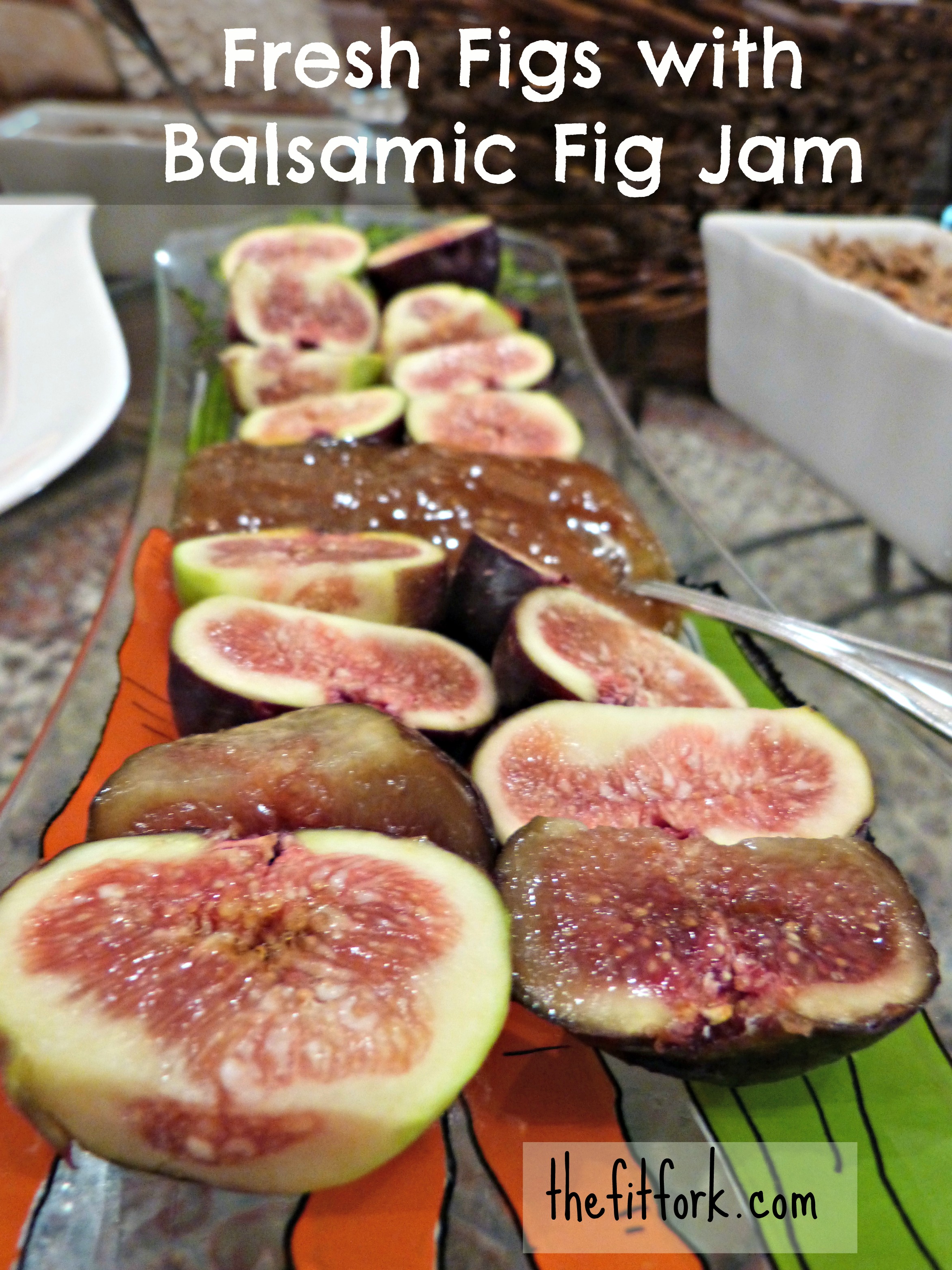
jennifer fisher - thefitfork.com - fresh figs with balsamic fig jam

Years ago, I remember taking care of my Aunt’s house in Houston while they were away on vacation. “You’re welcome to pick the figs as they ripen, but you’ll have to hurry to beat the greedy birds,” she said before leaving.  Having never eaten homegrown figs (a Fig Newton was about the closest I had come), I wasn’t too excited about the invitation to develop my latent “gatherer” gene. But, a few days later when out watering the plants, I saw the fig tree bursting with fruit just crying to be picked.  I sampled a fig straight off the branch and, oh my goodness, I jogged back to the house to get a basket for the harvest. Apparently, my jog should have been a mad dash, because when I returned, a flock of birds had swarmed the tree and were gorging on the spoils.

From that day forward, I have had a new appreciation (make that obsession) with this delicate, delicious fruit. I’m only sad that I don’t have my Aunt’s green thumb nor live near the Gulf Coast where they seem to grow so happily. Summer is really the season for figs, but I am ready now. You can purchase figs in grocery markets with fancier produce departments nearly anytime of the year, although they aren’t as good as homegrown. Common varieties you’ll find in the supermarket are Turkish figs, Mission figs and Calimyrna figs.

My Fresh Figs with Balsamic Fig Preserves recipe makes a uniquely nutritious and utterly delicious dessert that doesn’t wreck a day of clean eating with lots of sugar, fat and bad gunk. Did you know figs offer the most calcium of any fruit?  I was excited to find out that just three figs provide 25-percent of the daily recommended allowance for fiber. The great thing about fruit fiber, besides being filling, is that studies have shown that it can reduce the risk of breast cancer in post-menopausal women.  A source of many essential vitamins and minerals, figs are especially rich in iron, magnesium, potassium, vitamin K and B vitamins. Also, when choosing your figs, the ripest fruits yield the most antioxidant health benefits.

Fresh Figs with Balsamic Fig Jam Recipe

  • 2 cups quartered fresh figs (stems removed)
  • 1 cup all-natural honey
  • 2 cups water
  • 1 1/2 tablespoons balsamic vinegar
  • Sea salt
  • 2 dozen fresh figs (halved into 48 pieces)

To make jam, add the quartered figs, honey and water to a large pot. Simmer over low heat until the figs break down and the liquid is reduced by one third. Remove from burner and let mixture cool for 30 minutes. Puree fig mixture in food processor, add balsamic and season with the sea salt to suit your personal taste.

Gently wash and dry remaining 2 dozen figs and then slice in half lengthwise for a total of 48 pieces.

Serve jam with fresh figs as a dessert or over a salad of baby greens. Leftover jam will keep in the refrigerator for up to three weeks.

Serves 8 (6 fig halves per serving)

Heart Disease Doesn’t Discriminate Discovers Marathon Runner, Young Mom & Cardiac Nurse

Go-Red-Logo-AHA

Yesterday, I was honored to attend the American Heart Association’s “Go Red” for Women Initiative. This eye-opening event was aimed at educating women about heart disease and empowering them to lead healthier lives.  Even though I already knew the statistics, the luncheon was a good reminder that cardiovascular disease is the single leading cause of death among American women.  This insidious and often silent disease claims about one life every minute – this is a bigger toll that all cancers combined.

Me and friend Hollie learning lots at "Go Red"

Me and friend Hollie learning lots at “Go Red”

Texas Beef Council Ladies who Lunch!

Texas Beef Council Ladies who Lunch!

Just like last year, the “survivor” speaker was a vibrant woman in her early thirties, the model of perfect health at first glance. She could have been your sister, daughter or best friend. This particular speaker had never (until her first episode) experienced any symptoms that she could specifically pinpoint to the disease. Heck, she had run a marathon and was a practicing nurse with a cardiovascular specialty. Even with her professional savvy, she wanted to brush off the initial cardiac event experienced while in the hospital delivering her second child. She was young, she was fit; she couldn’t possibly have heart disease.  But she did. Today, thankfully because of her intuition and quick action to pursue a follow-up doctor’s appointment right away, this young mom is receiving the treatment needed to live her life to the fullest and enjoy her young boys.

So if a marathon runner can have heart disease, isn’t everyone at risk? Speaking for myself, I’m just going to assume I am at risk and modify my behaviors proactively.  High cholesterol, high blood pressure, smoking and diabetes are all major risk factors for having a heart attack. Being overweight and inactive also increases your odds and, unfortunately, so does your family history and the genes you were born with. However, the good news is that you can improve your heart health and lower your risk as much as 80 percent with lifestyle changes. These heart-healthy lifestyle changes include clean eating (for example reducing bad fats, lowering sodium intake, and eating fruits and vegetables), exercising more, getting regular check-ups and understanding your genetic predisposition, and saying “no” to cigarettes and avoiding second-hand smoke.

So, if the unimaginable ever happened, how would you know if you (or a loved one) was having a heart attack? It’s not just clutching your heart and falling to the floor, like in the movies. Sweating, pressure, nausea and jaw pain are all symptoms of a heart attack in women. They are also symptoms that we women often dismiss as the flu, stress or simply feeling under the weather – being unaware could put your life in jeopardy. Learn more about the symptoms and signs of a heart attack.   Women who consider themselves healthy often misdiagnose the symptoms of a heart attack because they don’t think it could happen to them. The take away message here is not “beware” but “be aware”!

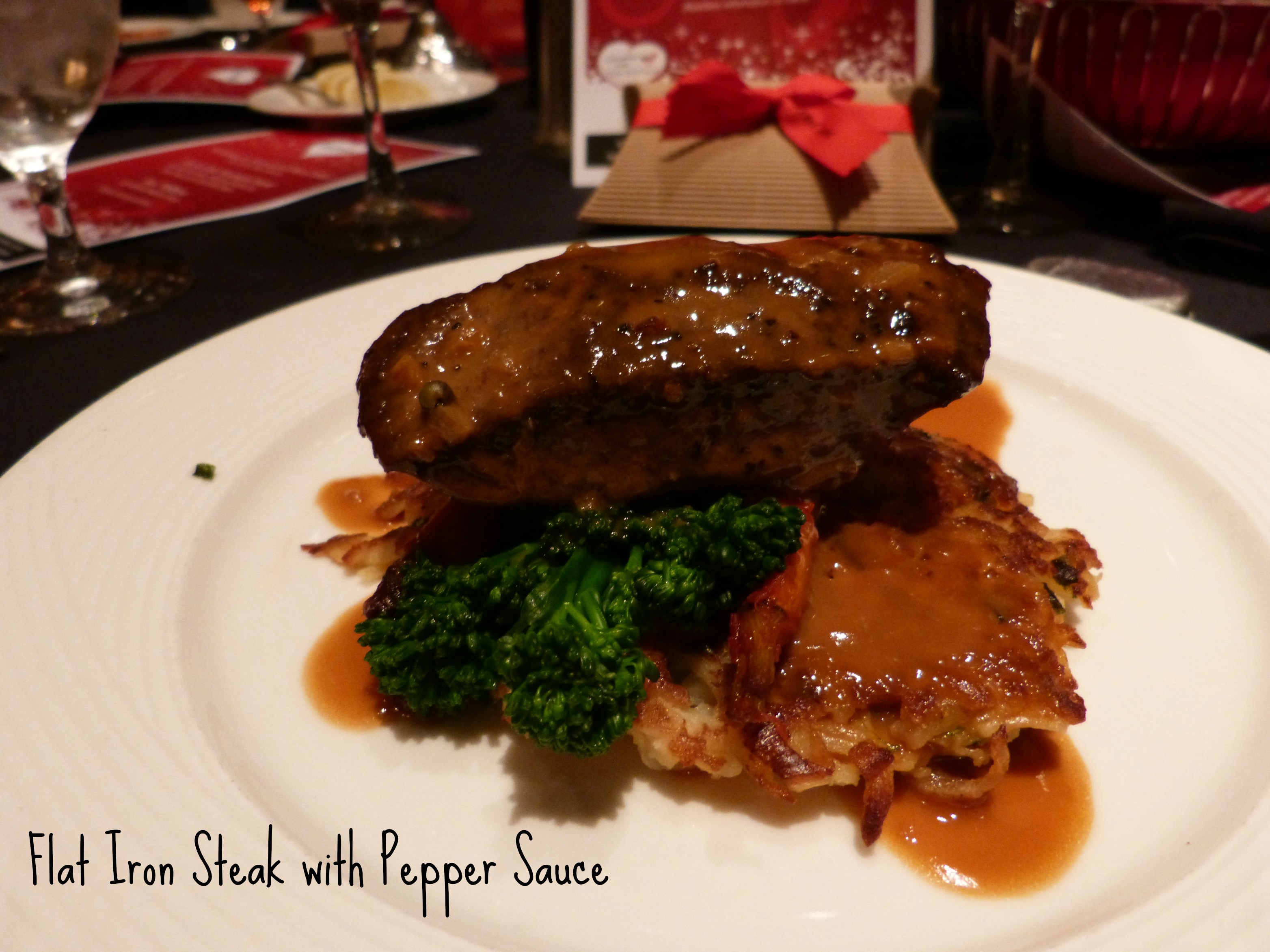
flat iron steak pepper sauce

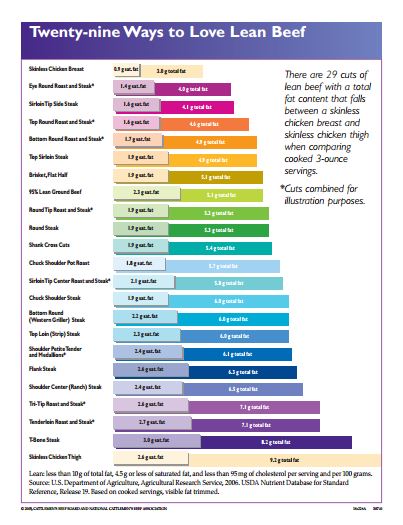
A shout out to my favorite peeps at The Texas Beef Council with whom I enjoyed sharing a table and breaking bread. Actually, since everyone at our table passed on the bread basket (many Paleo devotees), I should rephrase “breaking bread” to “slicing steak.” Yes, that’s right; as one of the sponsors of the event, TBC treated all of the attendees to a delicious Flat Iron Steak in Pepper Sauce on a Scallion Potato Pancake. The entrée was a flavorful reminder that incorporating beef into your diet can actually be a good thing! Most people don’t realize that there are 29 cuts of beef that are considered lean, meaning they fall under 200 calories and 10g of fat for a standard 3-ounce serving.  Check out the chart of lean beef and start planning dinner tonight!

29 ways to love lean beefwww.p

Also, did you know that eating lean beef can improve blood cholesterol levels? A 3-ounce serving of lean beef is composed of 50% monounsaturated fats, the same heart-healthy fats found in olive oil. Another 20% of the fats in that same 3-ounce serving come from stearic acid, a fatty acid shown to have a neutral response on blood cholesterol. In addition, a study published in the Archives of Medicine found that lean beef is just as effective as skinless chicken and fish at lowering LDL (“bad”) cholesterol and increasing HDL (“good”) cholesterol. Now that’s news I can use!

go red chocolate mousse berries thefitfork

Sweet endings for the chocolate lovers, a low-fat dark chocolate mousse with berries followed.

So, what have you done to reduce your risk of heart disease?  Do you have a favorite heart-healthy recipe, I’d love to hear all about it in the comments!

“Can’t Be Beet” Salad Recipe & Bounty of Beet Benefits

can't be beet salad

Do you fancy a beet? It seems like people either love this vegetable or despise it, often without even a fair taste. If you’re in the “yuck” camp, it’s time to give this purple-red root a second (or first) chance. Beets have amazing health advantages for athletes and all of us!  A tasty way to enjoy the benefits of beets is with my “Can’t Be Beet” Salad, a savory roasted potato salad dressed with a balsamic vinaigrette. The recipe follows this laundry list of reasons to love beets.

By the way, if you cant get to fresh beets, I have been using Beet Powder in my smoothies and such to reap all the benefits below.

  • Beets have been shown to guard against cancer thanks to the pigment molecule, Betacyanin, which give beets that signature red color.
  • Beets can help your cardiovascular system. Research consuming beets reduces the amount of homocysteine, a substance which can contribute to peripheral vascular disease, stroke and heart disease
  • Beets are high in natural carbohydrates (not the processed kind), making them fabulous fuel for endurance sport enthusiasts.
  • Beets are high in important minerals including sodium, magnesium, calcium, iron and phosperous. Athletes need plenty of these nutrients to replace those lost through sweat, muscle use and other byproducts of exercise.
  • Beets are full of fiber and rich in vitamins including vitamin A, vitamin C, and niacin!
  • Beets (drum roll) may actually help improve athletic performance. According to a 2010 study by researchers at the University of Exeter, drinking beet juice helped athletes achieve higher intensity exercise by allowing their muscles to perform the same work with less oxygen. In the same vein, the International Journal of Sport, Nutrition and Exercise Metabolism, reported in the February 2012 issue, that highly-trained cyclists were able to shave more than 10 seconds off their 10-kilometer race times after drinking beet juice in a study.

“Can’t Be Beet” Salad Recipe

  • 1-1/2 pounds small red potatoes, halved
  • 2 medium red onions, cut into wedges
  • 1/2 teaspoon salt, divided
  • 2 tablespoons olive oil
  • 1-1/2 pounds fresh beets, peeled and cut into wedges
  • 2/3 cup reduced-sodium chicken broth or vegetable broth
  • 1/3 cup balsamic vinegar
  • 2 teaspoons brown sugar
  • 2 teaspoons minced fresh thyme or 1/2 teaspoon dried thyme
  • 1/2 teaspoon pepper
  • 2 tablespoons minced fresh parsley

Place potatoes and onions in two 15-in. x 10-in. x 1-in. baking pans coated with cooking spray. Sprinkle with 1/4 teaspoon salt; drizzle with oil and toss to coat.

Place beets in pans (do not stir). Bake, uncovered, at 425° for 35-40 minutes or until vegetables are tender.

For dressing, in a small saucepan, combine the broth, vinegar, brown sugar, thyme, pepper and remaining salt. Bring to a boil. Reduce heat; simmer, uncovered, until reduced to 1/3 cup.

Transfer vegetables to a large bowl. Drizzle with dressing and toss to coat. Sprinkle with parsley. Yield: 9 servings.

Nutritional Facts3/4 cup equals 135 calories, 3 g fat (trace saturated fat), 0 cholesterol, 244 mg sodium, 24 g carbohydrate, 3 g fiber, 3 g protein. Diabetic Exchanges: 1 starch, 1 vegetable, 1/2 fat.

Created by Jennifer Fisher and originally published as Can’t-Be-Beet Roasted Potato Salad in Light & Tasty October/November 2007, p41

beet