Superfoodie: 16-cal Strawberry Lemonade Coconut Water Pops

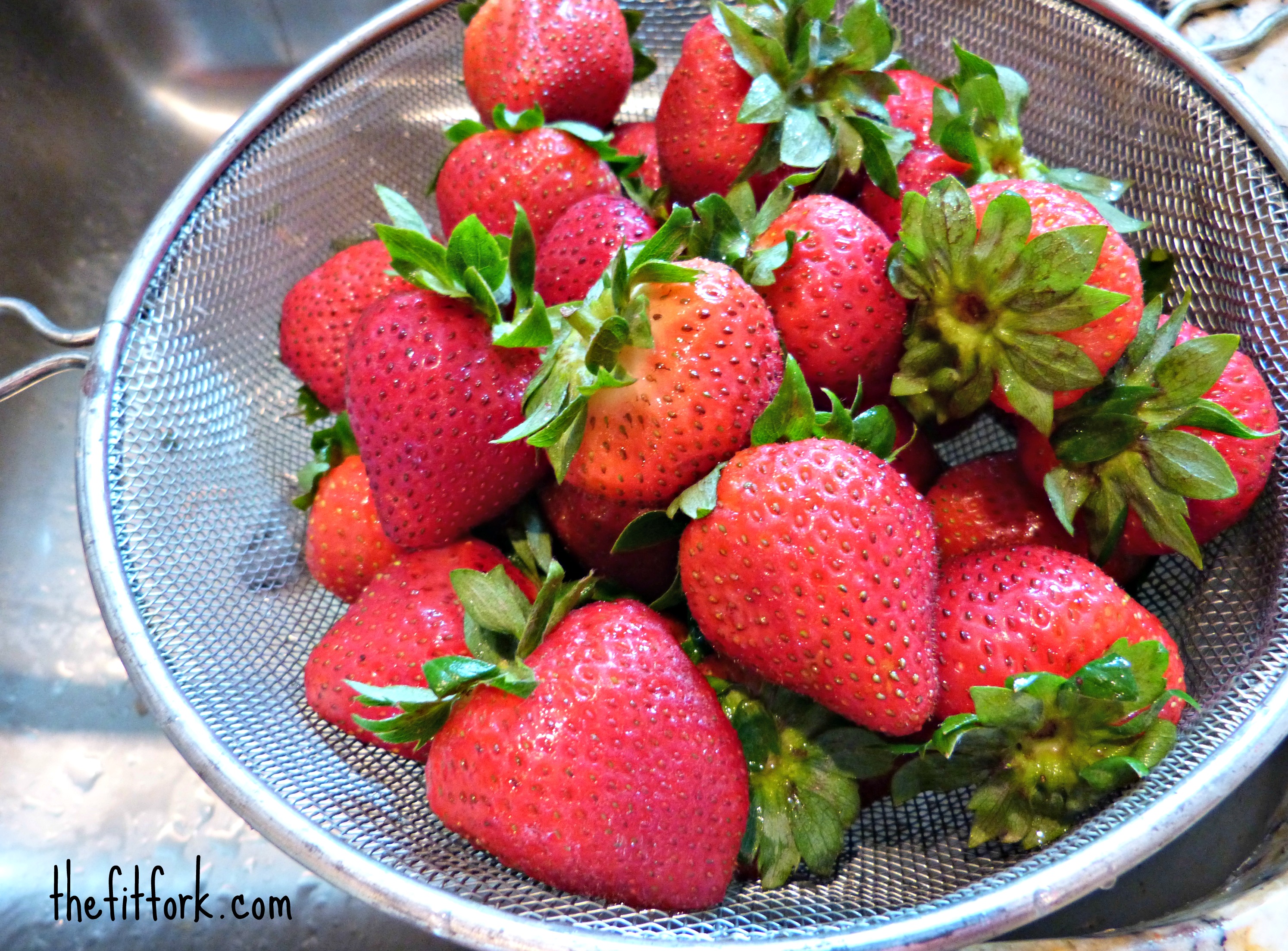
strawberries thefitfork.com

Are you ready to cool off with Strawberry Lemonade Coconut Water Pops? Just as yummy as a tall glass of the summer-time sipper (maybe even tastier) and loaded with potassium from the coconut water – a great way to replace the nutrient lost through sweat while running or working out.

Strawberries are a bona fide superfood, high in vitamin C and other antioxidants. Studies show that eating this red fruit has a myriad of benefits including reduced inflammation and cell damage, increased folate levels for heart health, and a lessened chance of age-related ocular issues. These are just a few perks!

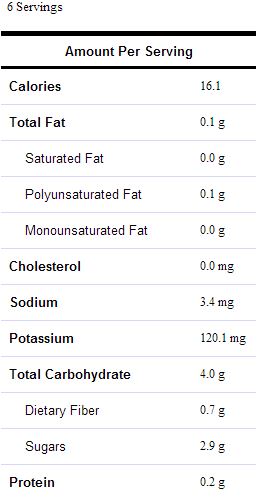
And, there’s no need to feel guilty about enjoying this frozen confection, each pop only has 16 calories!  I’m also sharing with you some fun facts about strawberries and some strawberry-inspired recipes from some fellow Fitfluential foodies.
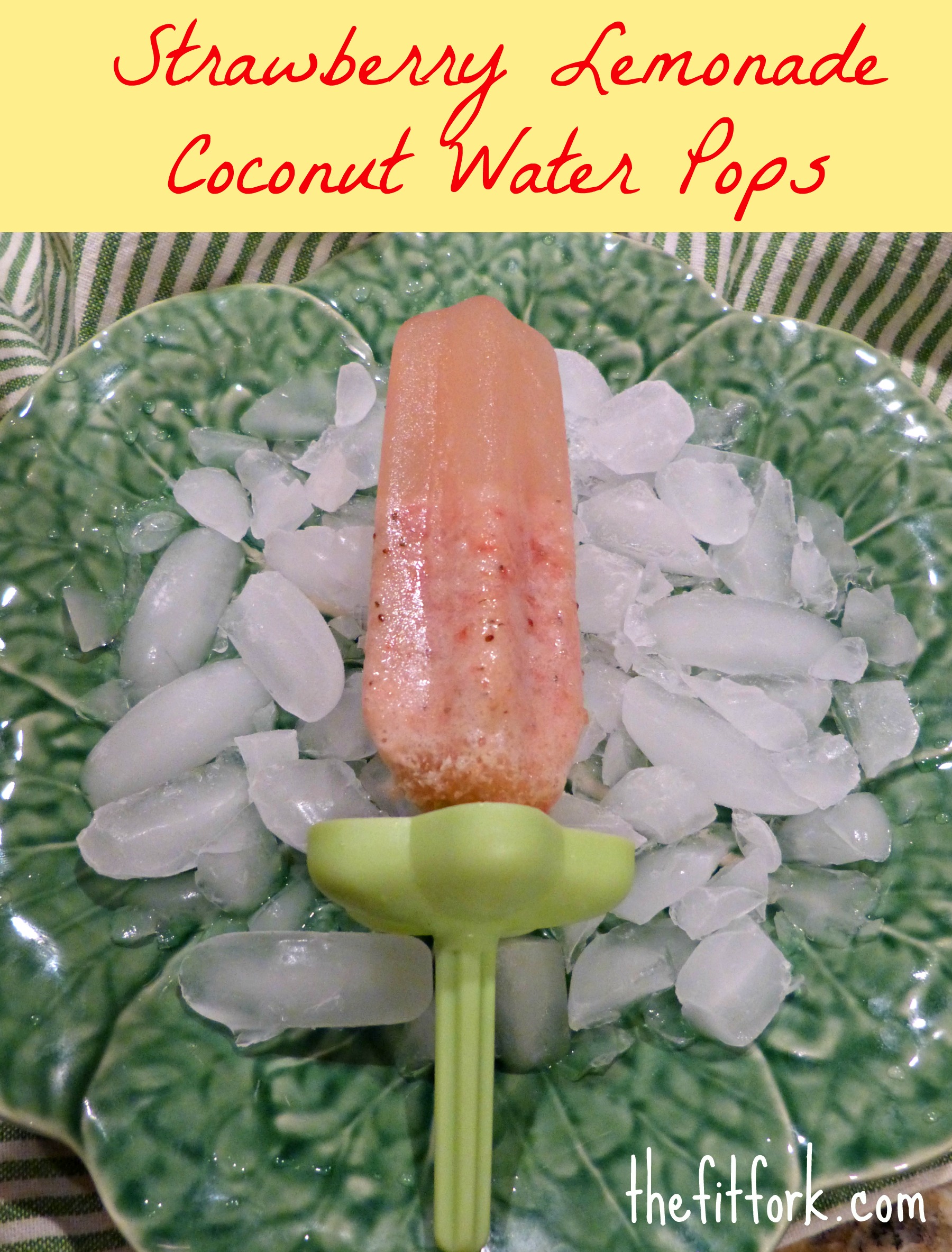
jennifer fisher - thefitfork.com - strawberry lemonade coconut water pops

Strawberry Lemonade Coconut Water Pops Recipe

  • 1 6-ounce bottle coconut water (I used Zico)
  • 2 tablespoons lemon juice
  • 2 teaspoons Stevia
  • 1 ¼ cups fresh sliced strawberries

Place all ingredients in a blender and pulse on and off for about 30 seconds until everything is blended. The strawberries should be a little chunky.  Pour liquid into 3-ounce freezer pop molds. Freeze for at least 3 hour or until frozen solid. Makes 6.

strawberry lemonade coconut water pops

strawberry facts

  • There are 200 seeds on the average strawberry.
  • Organic strawberries have more vitamin C and antioxidants than regular berries.
  • Regular strawberries have one of the highest concentrations of pesticide residues of all produce tracked by the USDA. If organic berries aren’t available, soak your strawberries in water for 2 minutes before eating.
  • Strawberries stop ripening as soon as they’re picked. For best taste, select bright red berries with their caps intact.
  • Don’t wash strawberries until ready to eat them, otherwise they’ll spoil too fast.
  • Along with cherries and grapes, strawberries are one of the few sources of ellagic acid, a compound shown to prevent carcinogens from turning healthy cells into cancerous ones.
  • Every man, woman and child in the US each eats 3.4 pounds of fresh strawberries per year plus another 1.8 pounds of frozen strawberries.We should all eat more!
  • One cup of strawberries has just 46 calories.

strawberry recipes

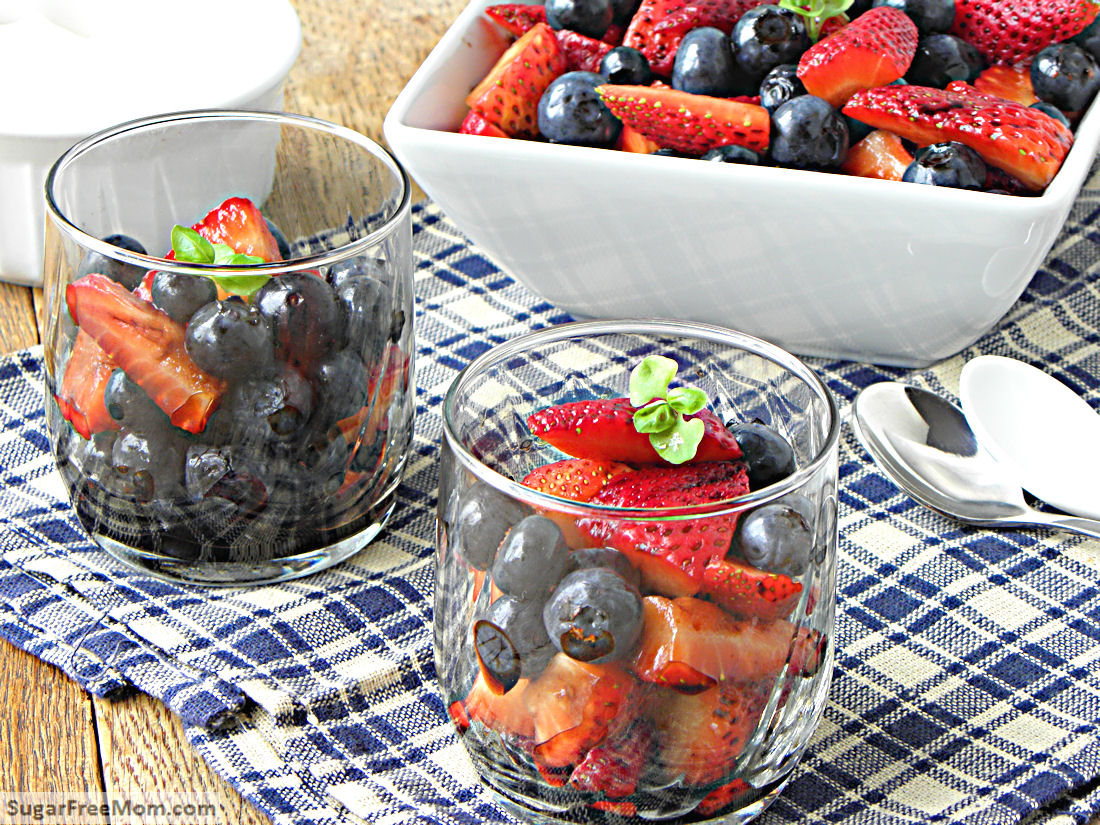
balsamicberries2

Naturally Sweetened Balsamic Berries from Brenda at SugarFreeMom.com
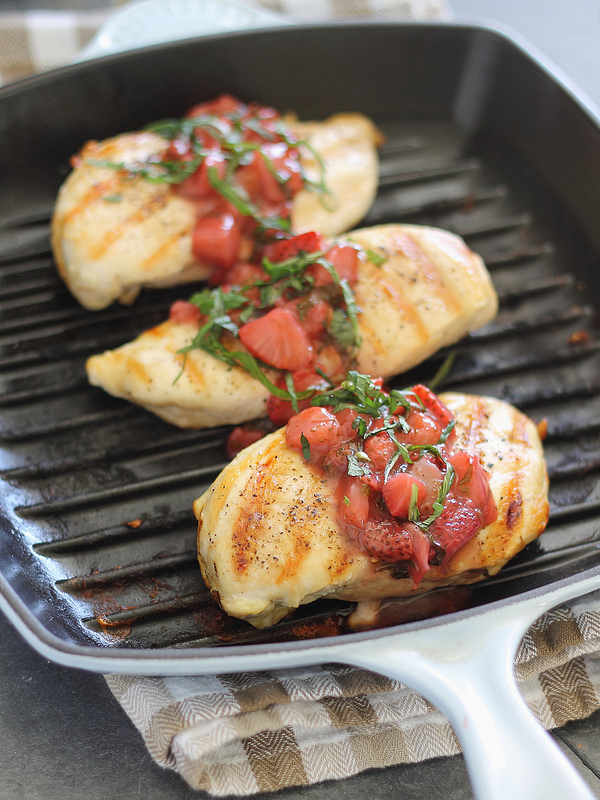
chicken with strawberry basil sauce

Grilled Chicken with Strawberry Bail Sauce from Gina at RunningtotheKitchen.com
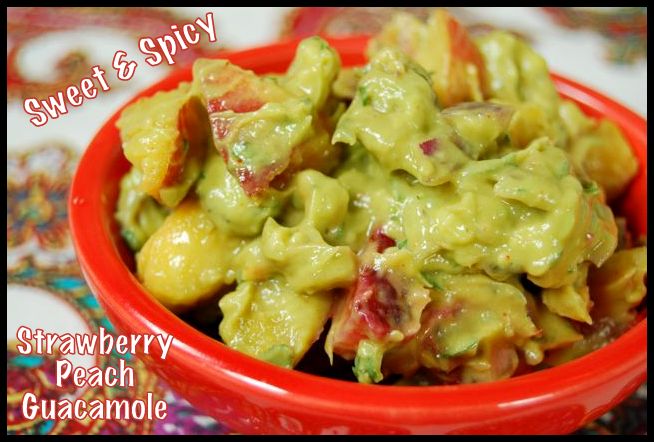
strawberry peach guacamole

Sweet & Spicy Strawberry Peach Guacamole from Lindsay at TheLeanGreenBean.com



Farm to Fork Facts & Beef Stuffed Baby Bell Peppers Recipe

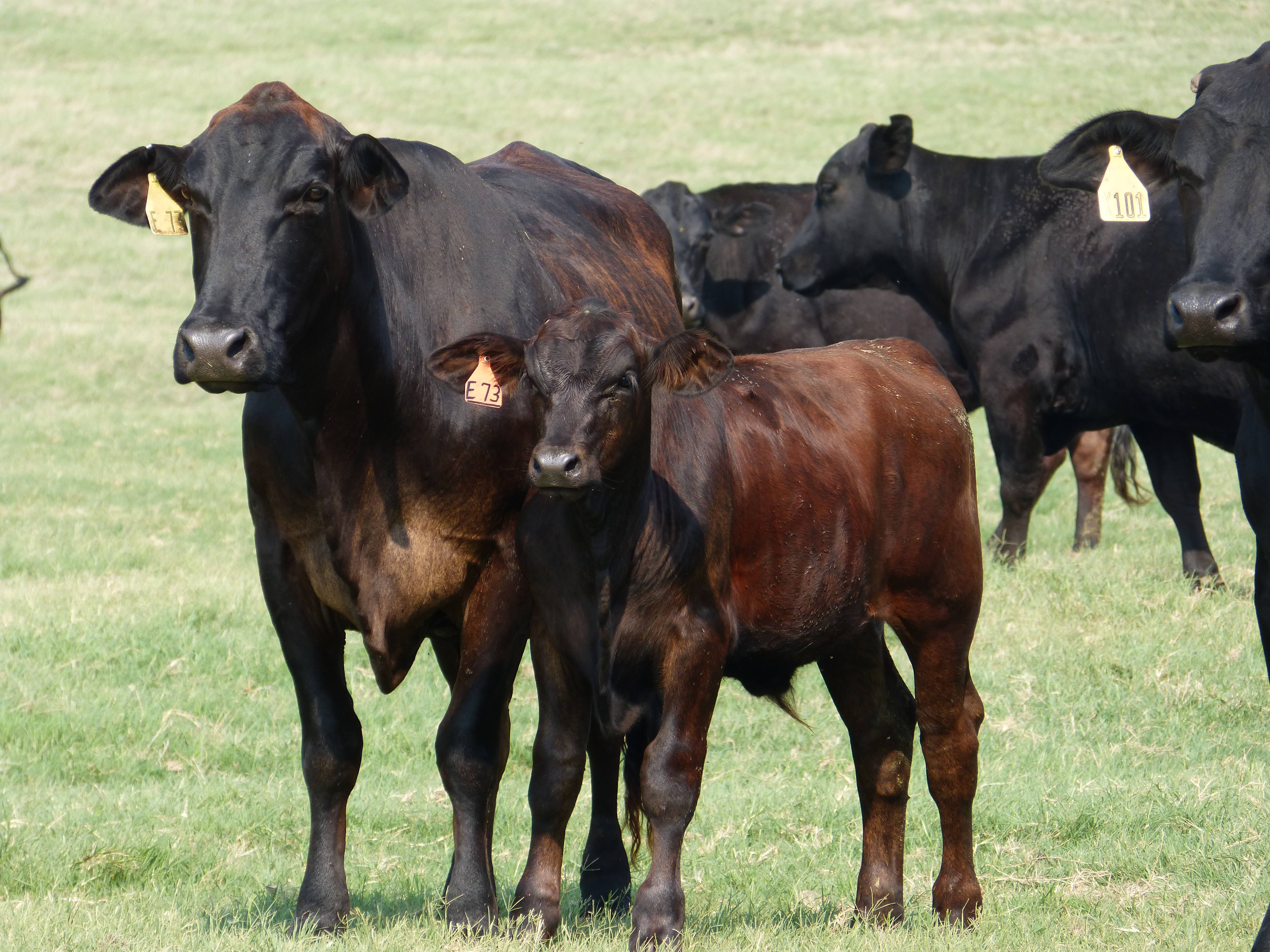
This weekend, I spent another educational day with the Texas Beef Council learning about how my favorite protein source – beef — makes it from “farm to fork.” With beef industry experts on-board our charter bus classroom, a small herd of beef-eating athletes slash curious consumers rolled through the Central Texas countryside on a mission to gain a deeper understanding of the cattle industry . . . . and, ultimately, those steaks on our dinner plates. Over the day, we toured a working ranch, visited a feed lot and then hoofed it around a ginormous meat department at a super-sized HEB.

SAMSUNG

If you’ve read my blog before, you know I’m a big fan of beef. After avoiding it for the first half of my life, I suddenly found myself craving it during my first pregnancy. Of course, my body had finally taken the reigns from my brain, telling it I needed the added protein, iron, B vitamins, zinc and several other vital nutrients in which I was missing the mark. That was 17 years ago and today I’m still craving beef as a way to refuel my body after hard running and strength-training workouts.

But, that’s enough about me. I want to share some new-to-me, interesting things I learned about beef this weekend, facts I think you should know too. The final beef tidbit in my list is a yummy appetizer recipe that the awesome folks with the Texas Beef Council fed with us as a prelude to dinner.

P1000969

A Few Farm to Fork Facts: Most I Never Knew – Did You?

  1. The average ranch in Texas is just something like 46 heads of cattle; this really busted my “big business” view of the cattle raising industry. We visited the approximate 2,000 herd Breitschopft Ranch in Gonzalez and this, aside from just a handful of mega-ranches in the state, is as “big business” as it gets – yet it was a surprisingly down-home, salt-of-the-earth, family-oriented operation with an owner who works his butt off 365 days a year to produce a quality product for consumers.
  2. When you buy “Certified Angus Beef” in the grocery store or order it from a restaurant menu you are ordering a “brand” of beef, not specifically a “grade” of beef.  The grades of beef given by USDA inspectors are prime, choice, select and a few lesser-quality grades. According to the Certified Angus Beef website, this brand only puts its name on prime and choice grades – but this makes it no better or worse than equivalent piece of beef with the same grade. Another interesting fact about the admittedly yummy brand; the Angus designation only requires the animal’s hide to be at least 51 percent black. Really.
  3. The yellow-orange tint in the rendered fat from grass-finished beef (meaning the cow never went to a feed lot before slaughter) comes from the fat-soluble beta-carotene in the ingested grass.  I asked this question after being curious about the different-colored drippings in my grill pan after experimenting with a ground grass-fed beef product.
  4. Changes in cattle breeding and fat-trimming methods have resulted in increased availability of leaner beef. I’ve mentioned a million times before that there are 29 cuts of lean beef.  But, I didn’t realize that a whopping two-thirds (67%) of beef sold at retail (including popular cuts like sirloin tenderloin and t-bone) meet governmental guidelines for “lean.” How can you NOT have beef for dinner!
  5. A cow’s stomach (a four-compartment vessel collectively called a rumen) is a very complicated thing. To put it simply, the animal co-exists with billions of microbes in the stomach – bacteria, fungi and protists – that break down grass, hay and other food products into nutrients a cow is actually able to digest. I haven’t done justice to the science behind the rumen, especially considering there are people with advanced college degrees on the topic!
  6. The beef supply in the US is very, very, extremely safe and highly regulated by the thousands of USDA inspectors every step of the way. The chances of being affected by one of the media sensationalized “beef issues” is like “being struck by lightning AND winning the powerball lottery on the same day” according to a PhD beef expert I know to be very knowledgeable on the subject. By the way, Facts About Beef is a great resource for gathering more information on any beef concerns you might encounter.
  7. My last tidbit is about cooking with ground beef. Ground beef is very convenient, cost-efficient and gives you so many ways to be creative! Plus, I forgot to mention ground beef can be super delicious as evidenced by this easy appetizer from the Texas Beef Council.

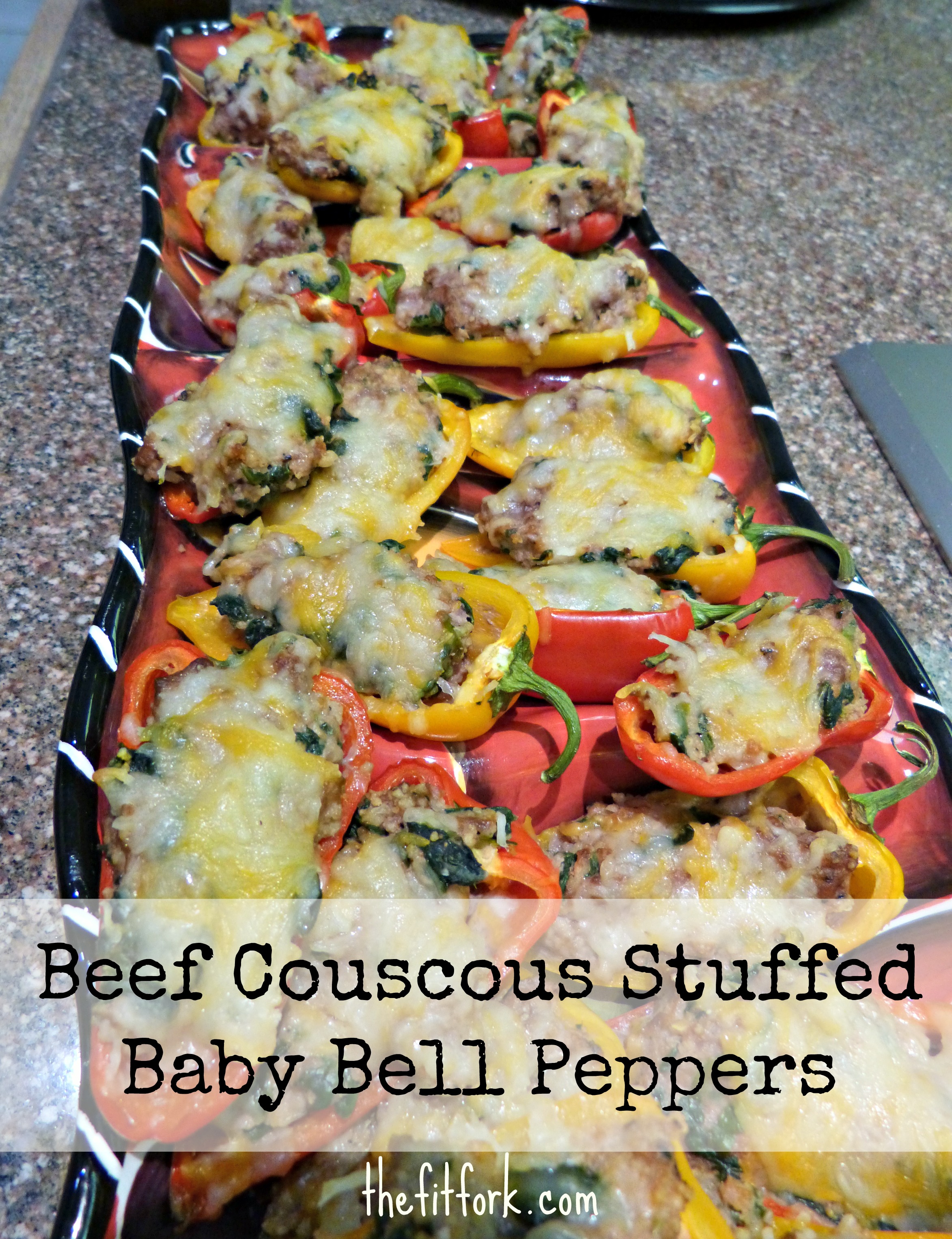
jennifer fisher - thefitfork.com - beef stuffed bell peppers

Beef & Couscous Stuffed Baby Bell Peppers

  • 1 pound ground beef
  • 15 baby sweet bell peppers (approx. 2.5” to 3” long)
  • 2/3 cup spicy 100% vegetable juice
  • ½ cup frozen chopped spinach, thawed and squeezed dry
  • ¼ cup whole wheat couscous
  • 2 cloves garlic, minced
  • ½ teaspoon dried oregano leaves
  • ½ teaspoon salt
  • ½ teaspoon ground black pepper
  • ½ cup reduced fat shredded Pepper Jack Cheese

Heat oven to 400F degrees. Cut bell peppers in half lengthwise; remove seeds and membranes, but not stems. Place peppers, cut sides up, onto two rimmed baking sheets.

Combine ground beef, vegetable juice, spinach, couscous, garlic, oregano, salt and pepper in large bowl; mix lightly but thoroughly. Spoon beef mixture evenly into peppers; sprinkle tops evenly with cheese.

Bake, uncovered, for 25 – 30 minutes or until instant-read thermometer inserted into center of pepper registers 160F degrees and peppers begin to brown.

Let cool for 5 minutes before serving.

Whey Tasty! White Chocolate Protein Ice Cream Sandwiches

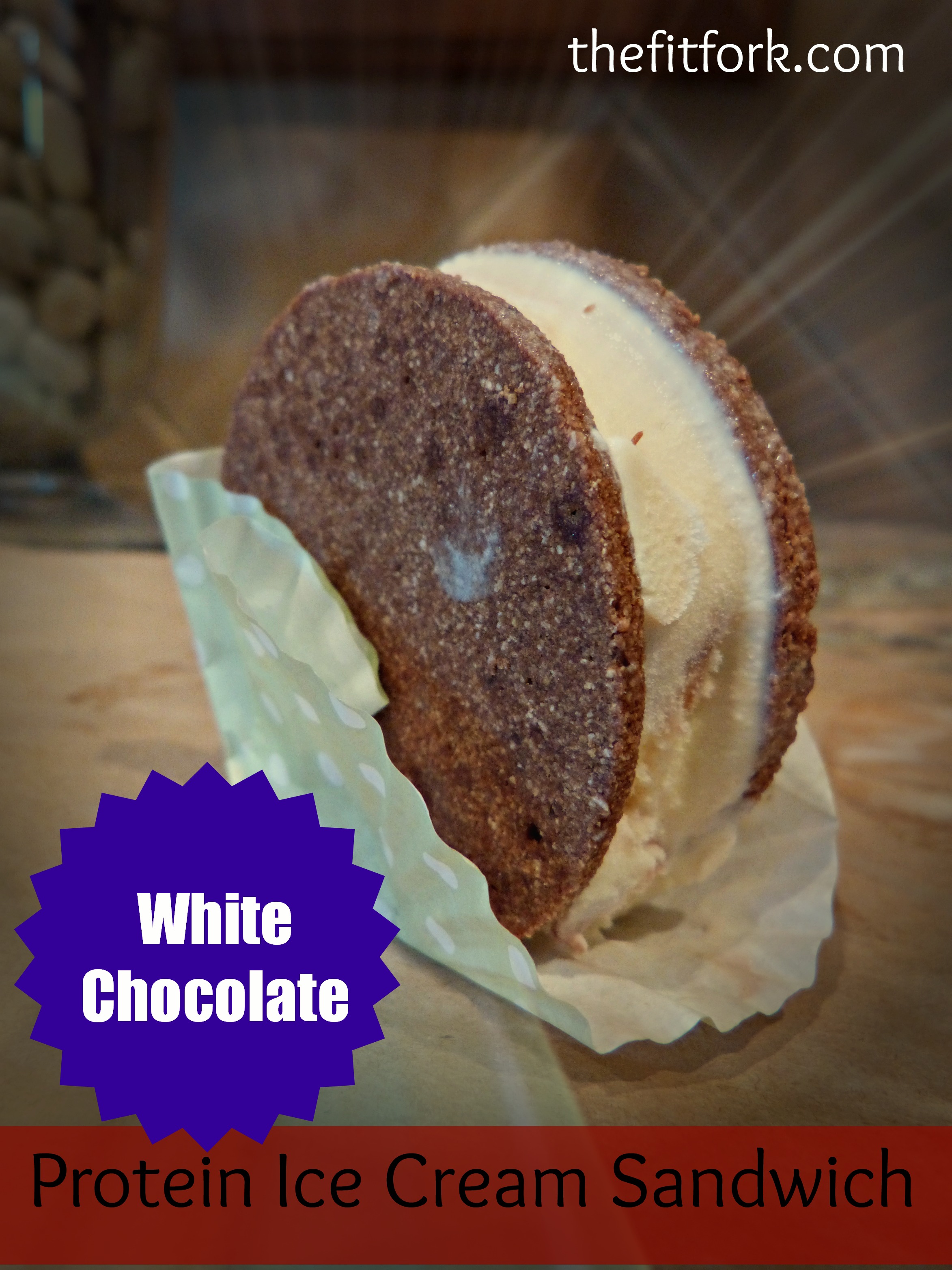
jennifer fisher - thefitfork.com - white chocolate protein ice cream sandwichThe harbinger of summer in my neighborhood is the melody of the ice cream truck pulling onto the street. I’ve been hearing this seductive siren song a lot this week; in fact, I think the driver is getting a little aggressive peddling his pops every day after school lets out. Bomb pops, fudgsicles, and nutty buddies, oh my!  The traditional ice cream sandwich is my favorite. You know of what I speak – creamy vanilla ice cream between two chocolate wafers.

While a traditional ice cream sandwich may taste super yummy, it doesn’t really do much for my daily nutrition needs. For example, a Good Humor sandwich marketed as “lite” has 140 calories, 26g carbs, just 2g protein and tons of artificial preservatives. That’s a lot of carbs at the expense of protein, and don’t even get me started on all the ingredients I can’t even pronounce. Based on my refueling needs for running and working out, I aim to get around 18-25 grams of protein 5 times per day – so protein is just as important in my snacks as it is in my main meals. The nutrition information on the back of my Good Humor ice cream sandwich is putting me in a bad mood.

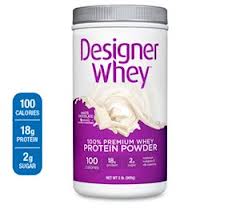
After hearing the ice cream truck roll by and about to cave in, I had a light bolt moment! I knew I could kick up this idea of a frozen confection with some quality protein powder and tweak the rest of the recipe to be healthier too. With a quick turn on my heels, I headed to the pantry for my canister of Designer Whey 100% Premium Protein Powder, a great-tasting product that delivers 18 grams of protein per 100-calorie serving (the optimal amount of protein to take in at one sitting) and uses only natural flavorings and sweeteners. And, it’s also a good source for calcium, vitamin D, and B-vitamins. I’m definitely going to use this protein powder in my new ice cream sandwich recipe!

White Chocolate is just one of the many decadent Designer Whey flavors!

White Chocolate is just one of the many decadent Designer Whey flavors!

The chocolate wafer cookies in my White Chocolate Protein Ice Cream Sandwich Recipe are made with coconut flour, coconut sugar and coconut oil making them gluten-free. And, they are also Paleo-friendly – that is until you add in the ice cream (but hey, this ice  cream is still really healthy as far as ice cream goes). Because whey is derived from dairy products, it doesn’t make the cut with a 100-percent paleolithic philosophy. However, strict caveman eaters can swap out with a coconut milk whip or frozen banana mash instead – just not as much protein.


 White Chocolate Protein Ice Cream Sandwich Recipe

Cookie Ingredients:

  • 3/4 cup coconut flour
  • 2 tablespoons cocoa powder
  • ¼ cup coconut sugar
  • 1/4 teaspoon salt
  • 1/4 teaspoon baking powder
  • ¼ cup coconut oil, melted
  • 1 large egg
  • 3 tablespoons almond milk

 Ice Cream Ingredients:

In a medium bowl, add coconut flour, cocoa powder, coconut sugar, salt and baking powder. Mix thoroughly.

In a separate bowl whisk together the melted coconut oil, eggs, and milk. Gradually add the wet ingredients to the dry and stir until it forms a thick dough. Dough will be fairly crumbly at the beginning; use your hands to form it into one big ball.

On a clean work surface, roll out the dough to approximate ¼” thickness. Using a round 2 ½” diameter cookie cutter, cut out circles. Reroll dough scraps as necessary and continue cutting circles until all dough used. Dough should create enough for 16 cookies. Bake cookies on a lined baking tray at 350 for 10 minutes. Remove to wire rack to let cool completely.

Meanwhile, combine almond milk, Stevia and protein powder in a bowl and whisk until protein powder is completely incorporated and all lumps are gone. Pour into electric ice cream maker and prepare according to manufacturer’s instruction (my Cuisinart takes about 20 minutes).  If ice cream still seems a little soft, transfer to a storage container and let harden in the freezer for a couple hours.

To prepare ice cream sandwiches, scoop approximately 1/2 cup of ice cream and set on top of chocolate cookie. Set another cookie on top and gently press down; repeat with the remaining cookies and ice cream.  Eat quickly or return to the freezer to enjoy later.

Serves 8.

Nutrition Information (per serving) 188 calories, 15g protein, 26g total carbs (9g sugars), 148mg sodium, 11g total fat (8 saturated fat)

By the way, Designer Whey also makes other great products for sports nutrition including ready-made shakes, protein bars and Protein 2GO® .I whole-heartedly agree that whey protein is a real winner for post-workout recovery and nutrition. I’ve been stashing the packets of the lemonade flavor in my gym bag. With 50 calories and 10 grams of muscle-making protein, it’s been my little boost after running intervals and before my strength-training.


sponsored post badge

Look Who’s Making Beef For Dinner! My Magazine Ad + Recipes

jennifer fisher beef thefitfork mediumHuh? What? No way!  Yes, that’s me! I’m excited (and honored) to announce that I am being featured in the BEEF. It’s What’s for Dinner national ad campaign. The print ads will appear in the June issue of Saveur, the July issues of Self and US Weekly, August issue of Parents and Kraft Food & Family and the September issues of Everyday with Rachel Ray.

If you’ve read this blog more than once, you’ve probably noticed that I have a thing for beef.  I’ve said it before and I’ll say it again, there are 29 lean cuts of beef that provide not just quality protein but also loads of iron, zinc, B vitamins and other nutrients that are vital to sports performance and recovery . . . and just wholesome family eating in general.

What are my favorite lean cuts of beef? Personally, I love tenderloin (natch), tri-tip and top sirloin and I feel completely confident serving my family the flat center cut of brisket and 90% lean ground beef. In honor of the big reveal, I’m listing my top 10 favorite beef recipes that I’ve posted in the past.

 Bonus recipe for my fellow burger lovers:

I-heart-beef

Thanks to:


Fat and then Carbs! Latest in Pre-Race Nutrition for Marathons and Ultras

Wondering what to eat to easily get through a marathon or ultra race?

Wondering what to eat to easily get through a marathon or ultra race?

Before you binge out on pasta dinners and bagel breakfasts, you might want to take a serious look at what researchers are reporting about “carbo-loading” before a marathon or long endurance event. The days of high-carb diets may be over – well, make that modified — for athletes who want to perform their best on race day, or so says the March 2013 issue of Competitor magazine. New research is suggesting that a low-carb diet may actually have benefits because it trains an athlete’s muscles to be better fat burners.

When muscles can access fat as fuel during a race, glycogen stores are spared and saved for use later down the road – this means “hitting the wall” or “bonking” can be delayed and perhaps even avoided completely. But don’t swear off pancakes just yet. Training day after day on a low-carb diet can leave a runner feeling sluggish and slow because glycogen stores never get topped off. Plus, there hasn’t been any irrefutable, one hundred percent conclusive proof that removing carbs from the diet improves endurance performance. In fact, one study at the University of Birmingham in England found that low-carb runners (41% carbs) reported more fatigue and showed reductions in performance than their high-carb counterparts (65% carbs) during intensive training runs.

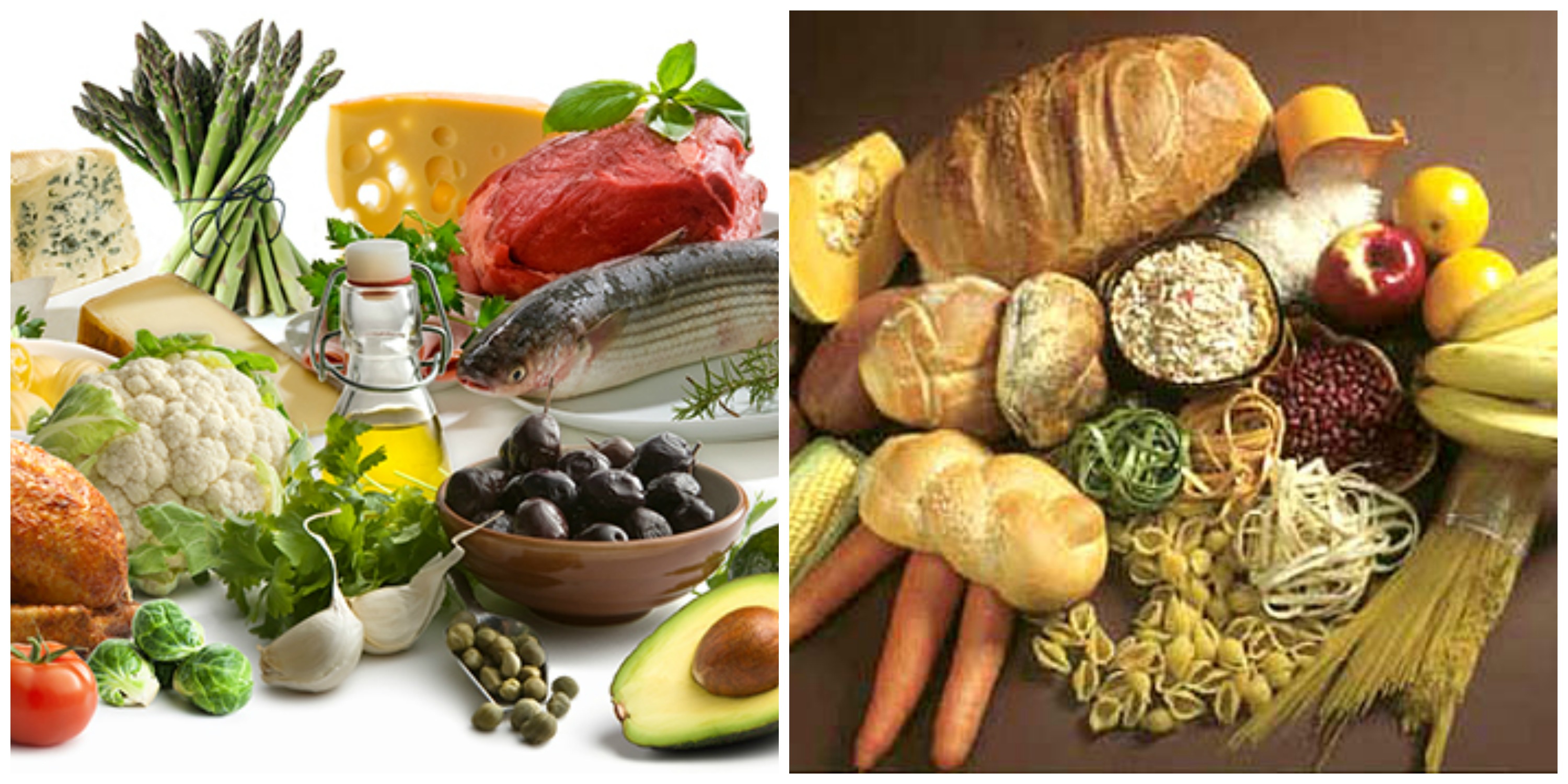
Good fat-loading choices on left. Good carb-loading choices on right.

Good fat-loading choices on left. Good carb-loading choices on right.

A new pre-race nutrition paradigm that combines the two ‘loading’ approaches is being recommended by experts in the sports performance field.  Here’s the plan in a nutshell. About two weeks out from an endurance event, aim to get about 65 percent of calories from fats and continue this high-fat intake for 10 days. This “hall pass” to eat fats doesn’t mean you can pig out on pizza and ding-dongs all day, or really any day. Quality fats from healthy oils, nuts, meats, avocados, whole milk, cheese, eggs, and fatty fish are what should be on the table. During this phase, your body will learn how to tap into fat stores for fuel; and, your training won’t suffer much because you’ll be tapering down anyway.

After 10 days of eating low-carb, high-fat foods, switch to a traditional “carbo-load” diet that incorporates 70 percent of calories from carbohydrates for the next three days. This ensures that your glycogen levels are as high as they can be and are raring to go on race day. Stay away from processed carbs and too much sugar. Instead, top off your tank with high-quality, healthy carbs including whole-grain pastas, breads, and rice along with plenty of fruits and veggies (but, of course, cut the fiber intake 24 hours before event).

A study conducted by the University of Cape Town in South Africa implemented this 10-day ‘fat-load’ followed by 3-day ‘carbo-load’ plan on a group of experienced cyclists. After a moderate two-hour warm-up, the athletes were able to complete a 20k time trial 4.5 percent faster following the new diet protocol. What do you think? Is it worth a try?

To recap:

  • Day 14 through Day 5 before event: High-Fat, Low-Carb
  • Day 4 through Day 2 before event: High-Carb, Low-Fat
  • Day 1: Race!

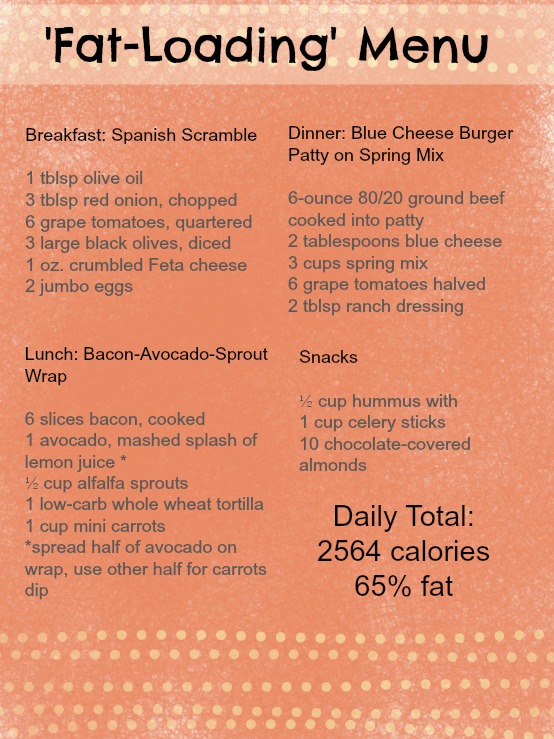
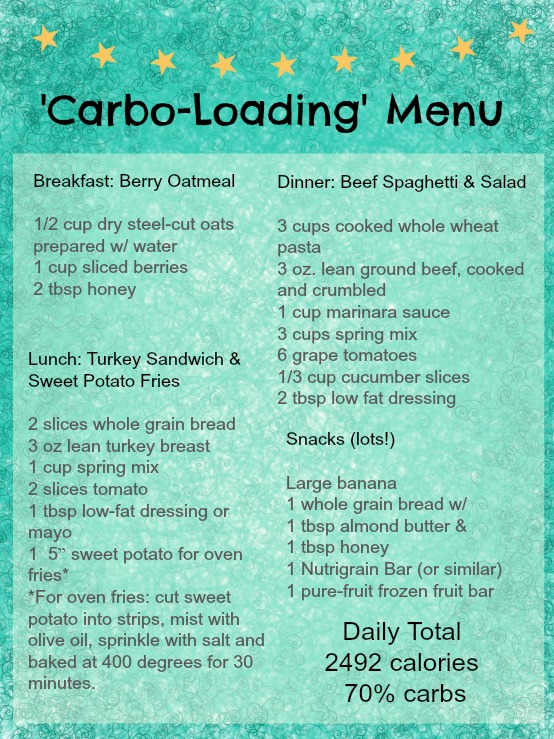
 To give you an idea of what a “High Fat, Low Carb” and a “High Carb, Low Fat” days look like, I’ve come up with a sample menu based on an approximate 2,500 calorie diet.

Jennifer Fisher - thefitfork.com - fat-loading menu


jennifer fisher - thefitfork.com - carbo loading menu