
This post is sponsored by National Watermelon Promotion Board. Learn more about watermelon nutrition and get recipes at Watermelon.org.

When most people think of watermelon, they think of backyard barbecues, pool days, and summer picnics. But this juicy fruit deserves a place in your kitchen for more than just its refreshing, sweet taste. If you’re like me, and committed to staying active, maintaining muscle, and aging strong, watermelon offers a surprising combination of hydration, nutrients, and plant compounds that can help support those goals.
While no single food is a magic cure-all, watermelon does fit beautifully into an overall eating pattern that promotes healthy aging—and it’s one of the easiest (and tastiest) ways to nourish your body ALL year (Even off season, personal-sized watermelons and produce cuts are almost always available). Add watermelon to a menu rich in protein, veggies and whole grain; add in lots of activity and quality sleep, and you’ve got a recipe for aging with strength!
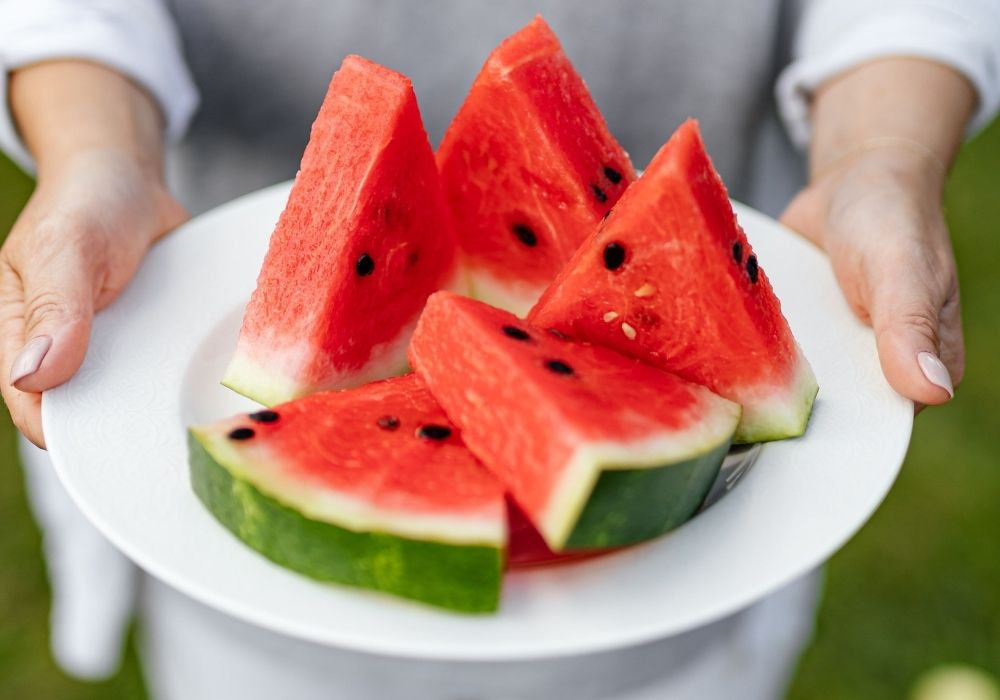
Helps You Stay Hydrated:
Hydration becomes increasingly important and often more challenging as we age. Our natural thirst response tends to diminish over time, making it easier to become mildly dehydrated without even realizing! For active adults who enjoy walking, running, hiking, cycling, pickleball, golf, or strength training outdoors, staying ahead of dehydration is essential.
Because watermelon is made up of about 92% water, it provides both fluids and naturally occurring electrolytes (310mg potassium, 6%DV and 24mg magnesium, 6%DV), making it a refreshing way to contribute to your daily hydration needs.
And, remember… proper hydration, from all sources, supports:
- Healthy circulation
- Temperature regulation during exercise
- Joint lubrication
- Cognitive function
- Energy levels and exercise performance
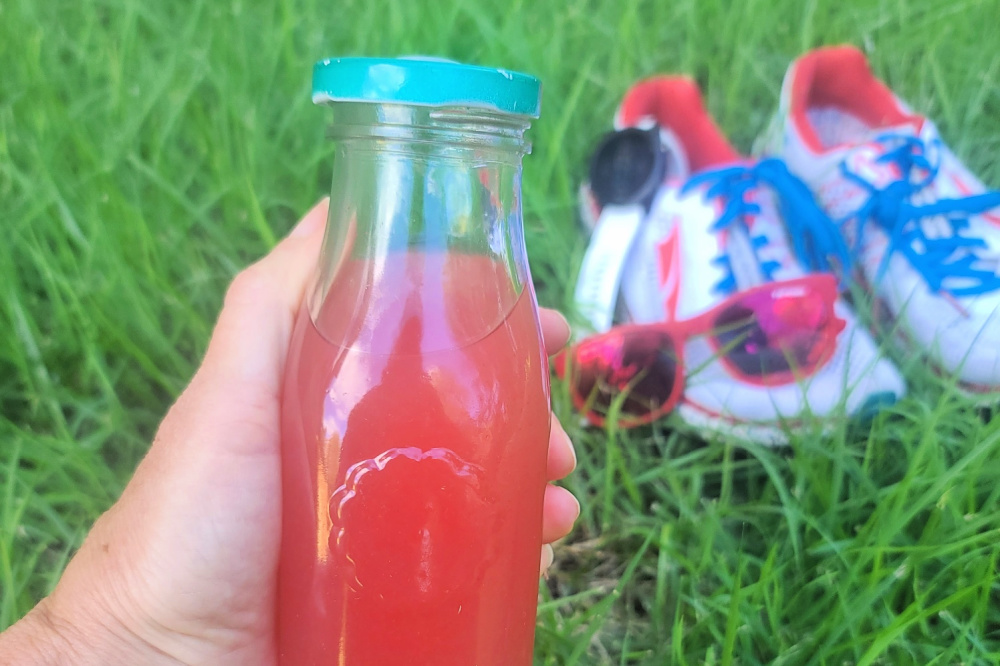
Supports Heart Health:
Heart health becomes even more important as we age. And, yes, even for women! In particular, after menopause, a female’s estrogen drops and cardiovascular risk naturally increases.
But watermelon can be part of a heart-healthy diet. It’s totally fat-free, and contributes several nutrients associated with cardiovascular wellness, including potassium (6%DV), vitamin C (25%DV), lycopene (12.7 grams of lycopene per 2 cup serving), and l-citrulline (286-1266mg per 2 cup serving). Together, these nutrients help support healthy blood vessel function and normal blood pressure as part of an overall balanced diet and active lifestyle.¹

Also, it’s of interest to note that low fruit intake is one of three dietary factors associated with death from cardiovascular disease (CVD) and type 2 diabetes (T2DM) (the other two dietary factors are high salt intake and low whole-grain intake). (Watermelon Board)

Healthy Blood Flow:
One of watermelon’s most unique nutritional benefits is its naturally occurring L-citrulline, an amino acid that the body converts into arginine, which is then used to produce nitric oxide.
What’s so cool about this for us active agers? Well, nitric oxide helps relax blood vessels, promoting healthy circulation. Better blood flow means oxygen and nutrients can be delivered more efficiently throughout the body, including to working muscles during exercise.
Emerging research suggests this may have benefits for cardiovascular health. A 2025 meta-analysis of randomized controlled trials found that L-citrulline supplementation and watermelon intake significantly reduced both systolic and diastolic blood pressure in middle-aged and older adults, supporting watermelon as part of an overall heart-healthy dietary pattern.¹
Rich in Lycopene
Watermelon’s vibrant red color isn’t just beautiful. It comes from lycopene, a powerful antioxidant. Everyday life and especially exercise, creates oxidative stress within the body. While this is a normal process, excessive oxidative stress over time is associated with aging and chronic disease. Lycopene and the other antioxidants in watermelon may help neutralize free radicals and support your body’s natural defense systems. Diets rich in lycopene have been associated with improved cardiovascular health and reduced markers of oxidative stress.²
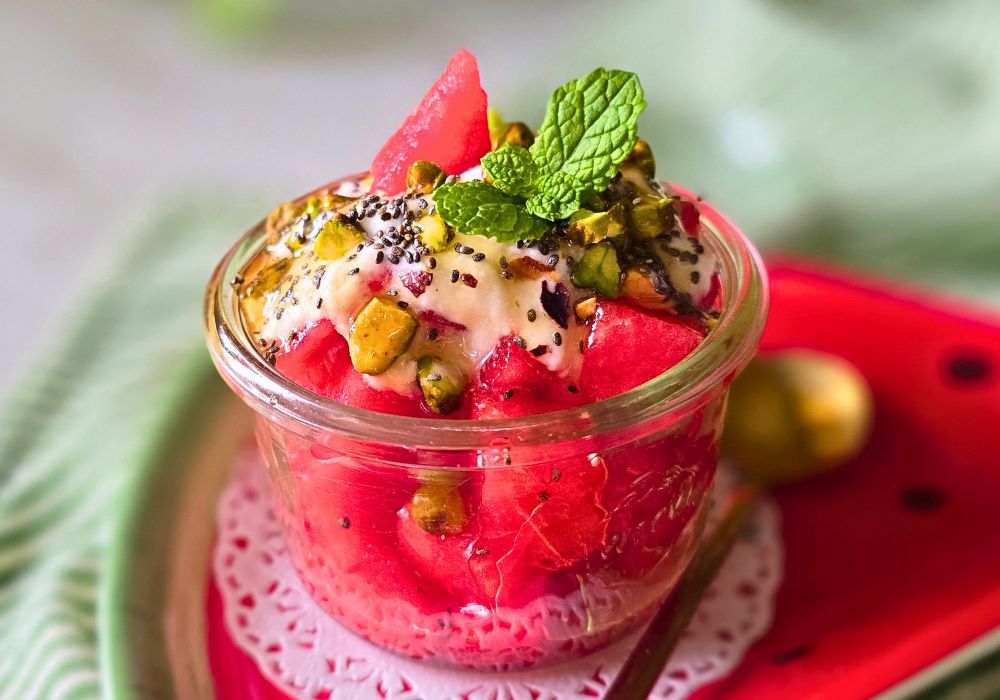
Helps You Refuel After Exercise:
After a workout, replenishing energy stores and repairing muscle tissue, are your body’s two priorities. Watermelon naturally provides carbohydrates that help replenish glycogen, the stored form of energy your muscles rely on and use up during intense/prolonged exercise.
To maximize recovery, I like to pair watermelon with a quality source of protein, such as cottage cheese, Greek yogurt, chicken, lean beef, my favorite fish, or even with protein powder in a smoothie (like my Watermelon Beet Smoothie). Also, check out the huge collection of recipes at Watermelon.org.

Supports Healthy Skin and Connective Tissue:
Caring for and supporting the tissues that keep us moving is another essential of healthy aging. Watermelon provides vitamin C (25% of DRV), an essential nutrient needed to produce collagen, the protein that helps maintain healthy skin, cartilage, blood vessels, tendons, and ligaments. Combined with its high water content, watermelon can help support and hydrate skin health from the inside out while contributing nutrients important for connective tissue.
Naturally Sweet Way to Satisfy Cravings:
If you’re trying to make more nutrient-dense choices without giving up dessert, watermelon is an easy win. Its natural sweetness, high water content, and satisfying volume make it a refreshing alternative to many calorie-dense treats. It comes in at only 80 calories per 2-cup serving. Rather than feeling deprived, you can enjoy something sweet while also getting hydration, vitamins, antioxidants, and beneficial plant compounds.
Visit Watermelon.org for more information on the Nutrition Facts and Health Benefits of Watermelon.
References
- Chen Y, et al. Effects of L-citrulline supplementation and watermelon consumption on blood pressure in adults: A systematic review and meta-analysis of randomized controlled trials. Clinical Nutrition ESPEN. 2025.
- Burton-Freeman B, et al. Watermelon and Health: A Review of the Current Evidence. Critical Reviews in Food Science and Nutrition. 2019;59(15):2422-2436.
- Lumeng JC, et al. Watermelon consumption is associated with improved nutrient intake and diet quality in children and adults. Nutrients. 2022;14:4147.