Pumpkin Spice Peanut Butter: High-Protein, Low-Fat Spread for Fall Snacking

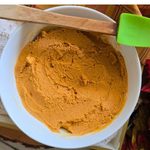
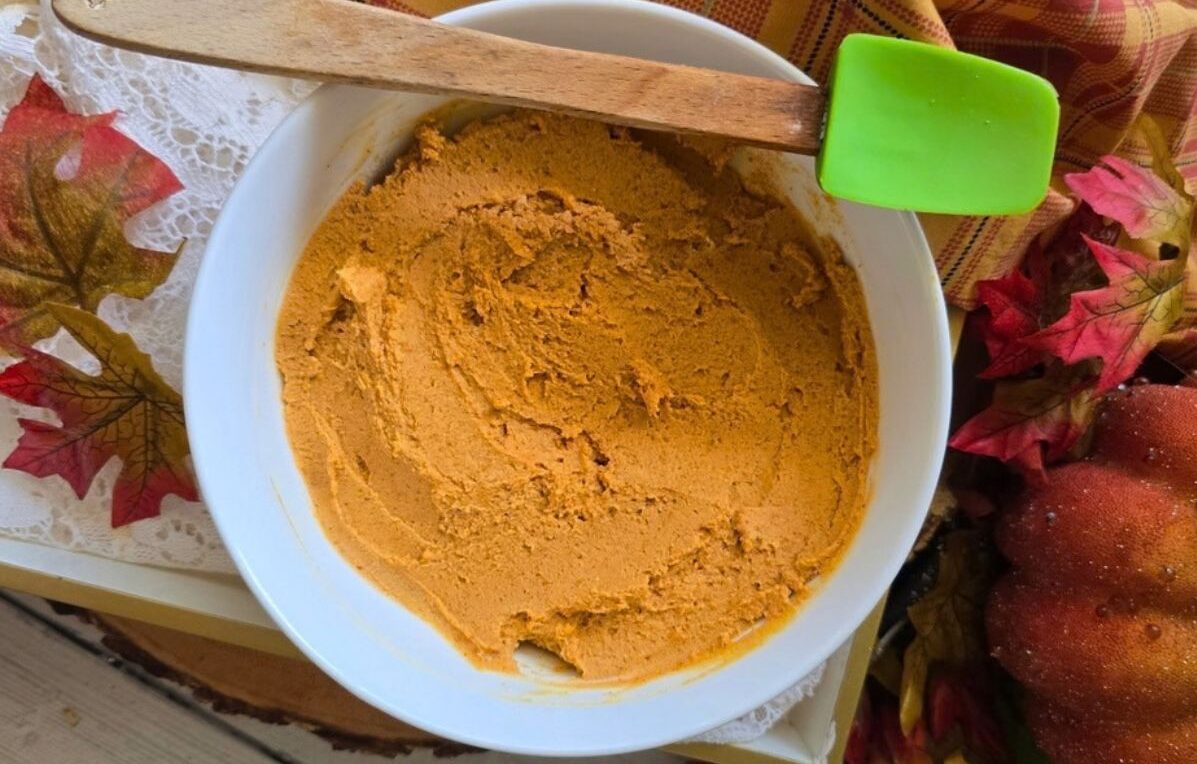
If you love pumpkin spice season but don’t necessarily want every pumpkin recipe to involve loads of sugar and fat, this one is for you. This easy Pumpkin Spice Peanut Butter combines creamy pumpkin, Greek yogurt, vanilla protein powder, peanut butter powder and cozy pumpkin pie spice for a thick, spreadable treat that tastes like fall.

Why You’ll Love This Pumpkin Spice Peanut Butter

Each 2-tablespoon serving is just 75 calories, which is about 60% fewer calories than a 188-calorie serving of traditional peanut butter. It’s also a simple way to add protein to your favorite fall snacks with no added sugar, thanks to a combination of plain Greek yogurt and protein powder.

I love recipes that require almost no effort, and this one checks that box. No cooking, no blender and no complicated ingredients—just stir everything together and you have a pumpkin-spiced spread ready for the fridge. Use it on toast, rice cakes, waffles, pancakes or apple slices, swirl it into oatmeal or yogurt, or grab a spoon and call it a snack. (I won’t tell.)

Ingredients in this Low-Fat Homemade Peanut Butter

Non-Fat Greek Yogurt: Greek yogurt gives this pumpkin spice peanut butter a creamy, thick texture while adding protein. Non-fat yogurt keeps the spread lighter without sacrificing that creamy consistency.  If you want a more indulgent option, feel free to use 2% or full fat Greek yogurt.

Pumpkin Puree: Pumpkin brings the seasonal flavor and natural creaminess. Be sure to use 100% pumpkin puree, not pumpkin pie filling, which contains added sugar and spices. I’m using canned pumpkin for convenience, but if you are DIY kind of person, feel free to use your own homemade pumpkin mash.

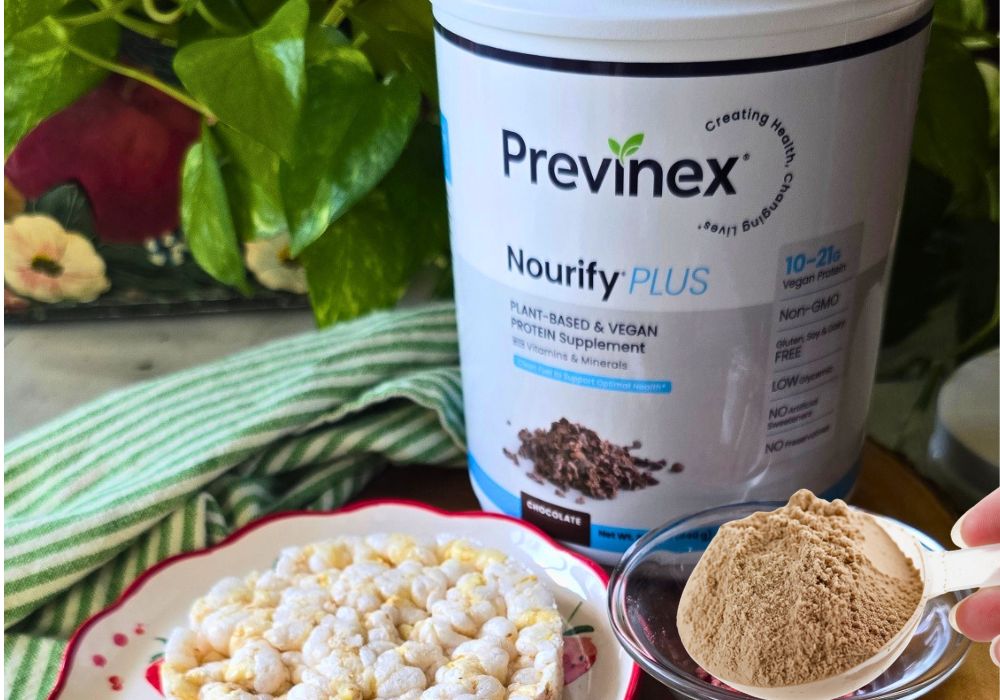
Vanilla Protein Powder: Vanilla protein powder adds sweetness, flavor and an extra protein boost. I used Previnex Nourify vanilla protein powder (a plant-based option with extra micronutrients), but you can use your favorite vanilla protein powder. Also a cake batter flavor would work great too.

Save 15% at Previnex with code THEFITFORK

Peanut Butter Powder: Peanut butter powder (like PB Fit) delivers that classic peanut butter flavor while keeping the spread substantially lower fat and lower cal than traditional peanut butter. It also mixes easily into the yogurt and pumpkin base.

Pumpkin Pie Spice: A little pumpkin pie spice brings the whole thing together with classic fall flavors of cinnamon, ginger, nutmeg and other warming spices. I used a pre-packaged pumpkin pie spice blend for convenience, but feel free to whip up your own with cinnamon, nutmeg, ginger, and a pinch of cloves.

How to Enjoy & Store Leftovers:
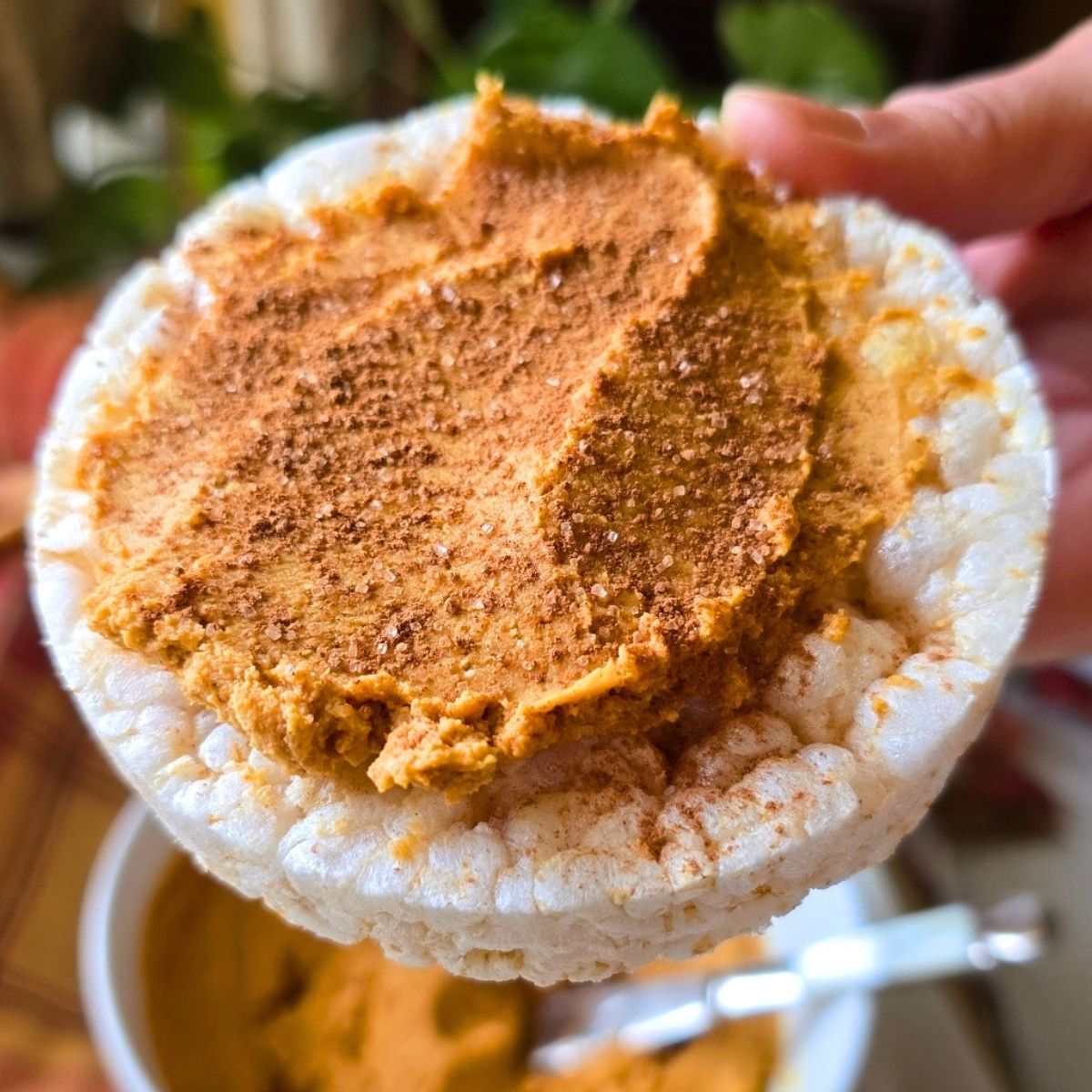
This pumpkin spice spread is ridiculously versatile. Store the finished spread in an airtight container in the refrigerator for up to one week. Here are some serving ideas:

  • With apple slices for dipping
  • Spread on whole-grain toast
  • Swirled into oatmeal
  • Dolloped onto Greek yogurt
  • Spread over pancakes or waffles
  • On rice cakes
  • As a topping for overnight oats
  • Straight off the spoon—because we’re adults and make our own rules
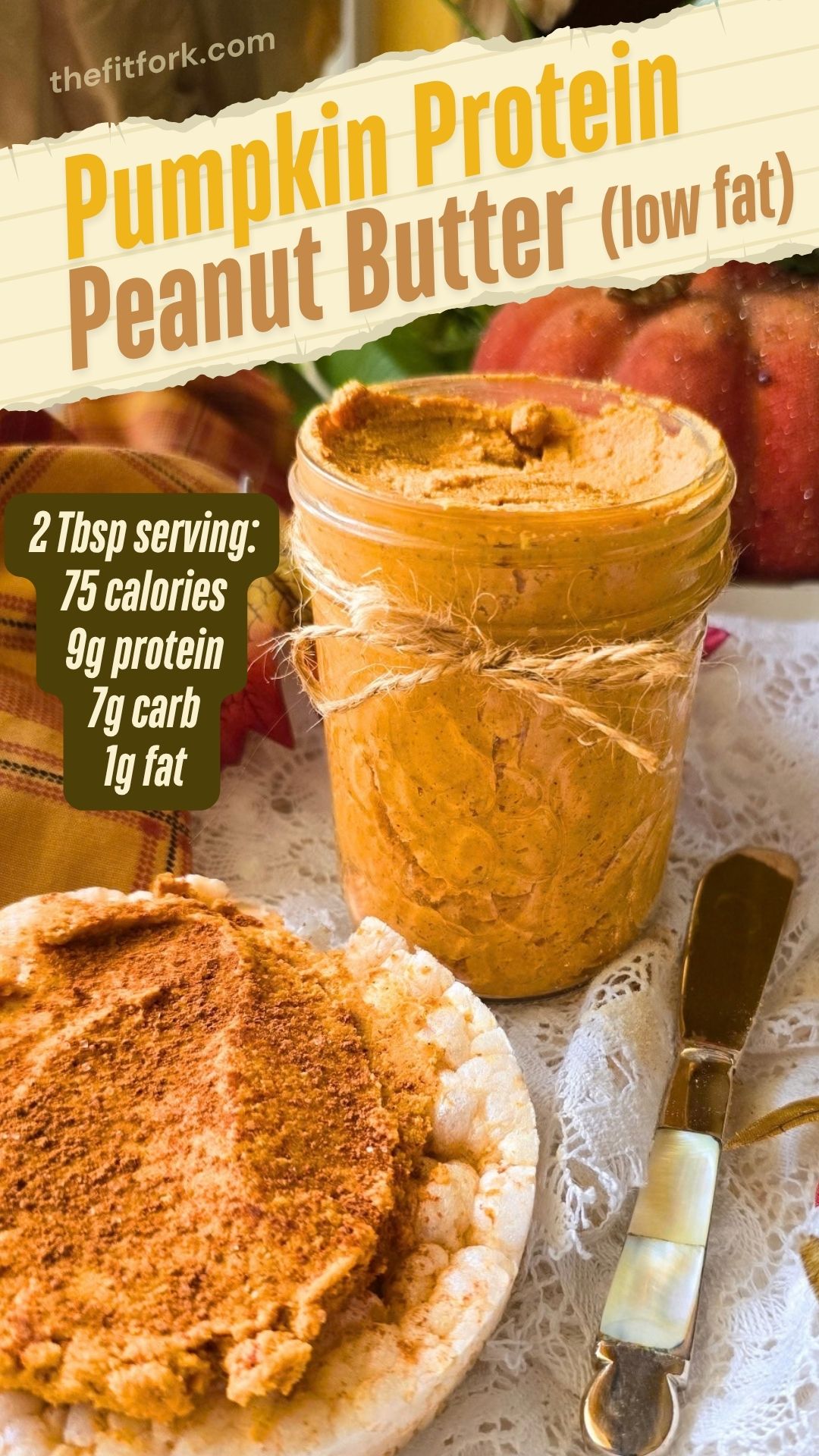
Pumpkin Spice Peanut Butter (Low-fat, High-protein)
Prep Time
5 mins
Total Time
5 mins
 
This easy Pumpkin Spice Peanut Butter is creamy, high-protein and low-fat with only 75 calories per serving. A simple, delicious fall snack!
Servings: 6 2-Tbsp. servings
Calories: 375 kcal
Ingredients
  • ½ cup non-fat Greek Yogurt
  • ½ cup pumpkin puree
  • ½ cup vanilla protein powder I used @Previnex Nourify
  • ½ cup peanut butter powder
  • 1 tsp pumpkin pie spice
Instructions
  1. Add all ingredients to a bowl and stir until a thick spread is formed. Store in an air-tight container in fridge for up to 1 week.
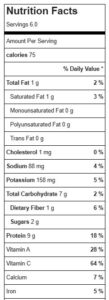
Recipe Notes

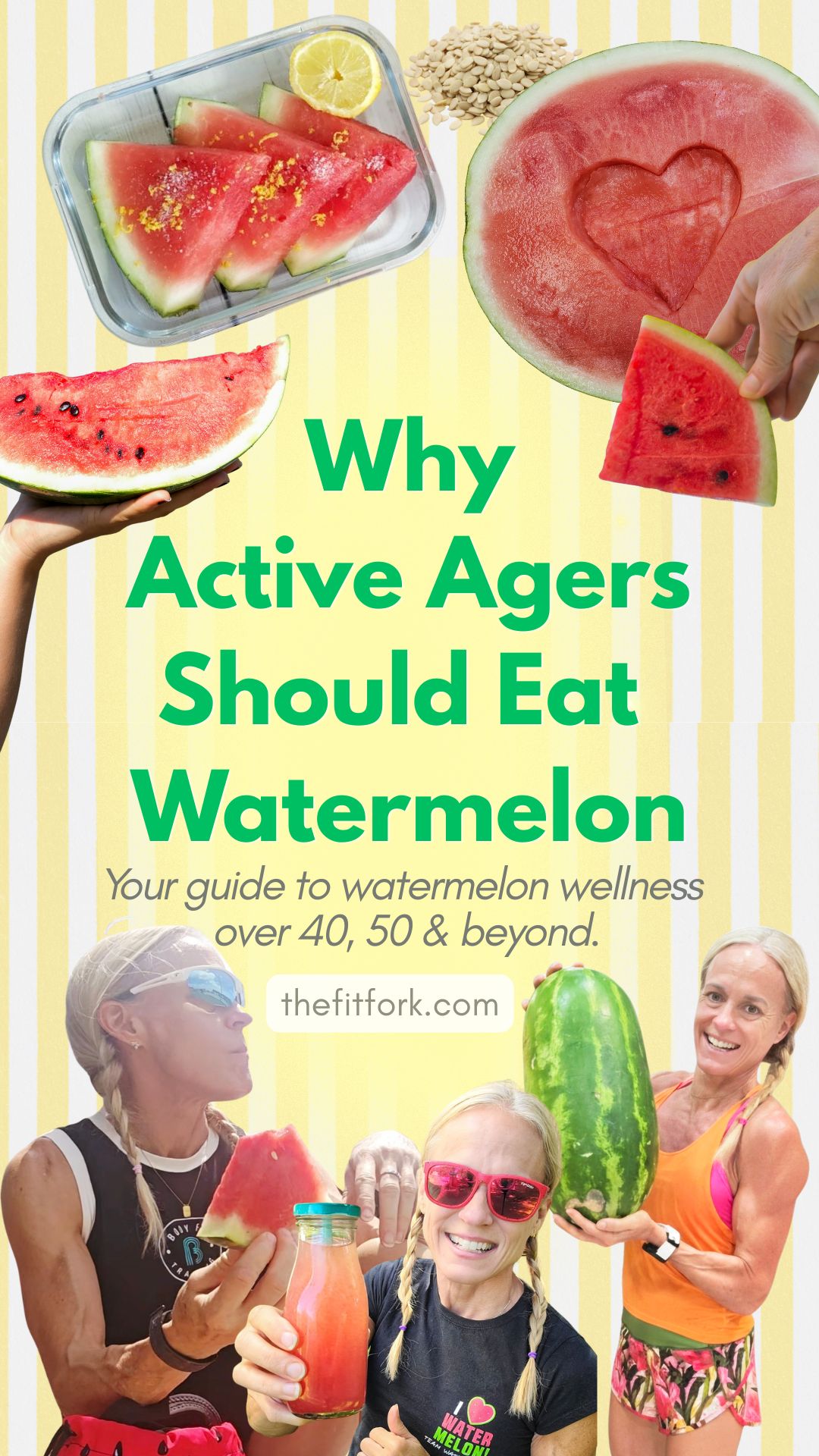
Watermelon for Active Agers: A Refreshing Way to Support Strength, Recovery & Healthy Aging

This post is sponsored by National Watermelon Promotion Board. Learn more about watermelon nutrition and get recipes at Watermelon.org.

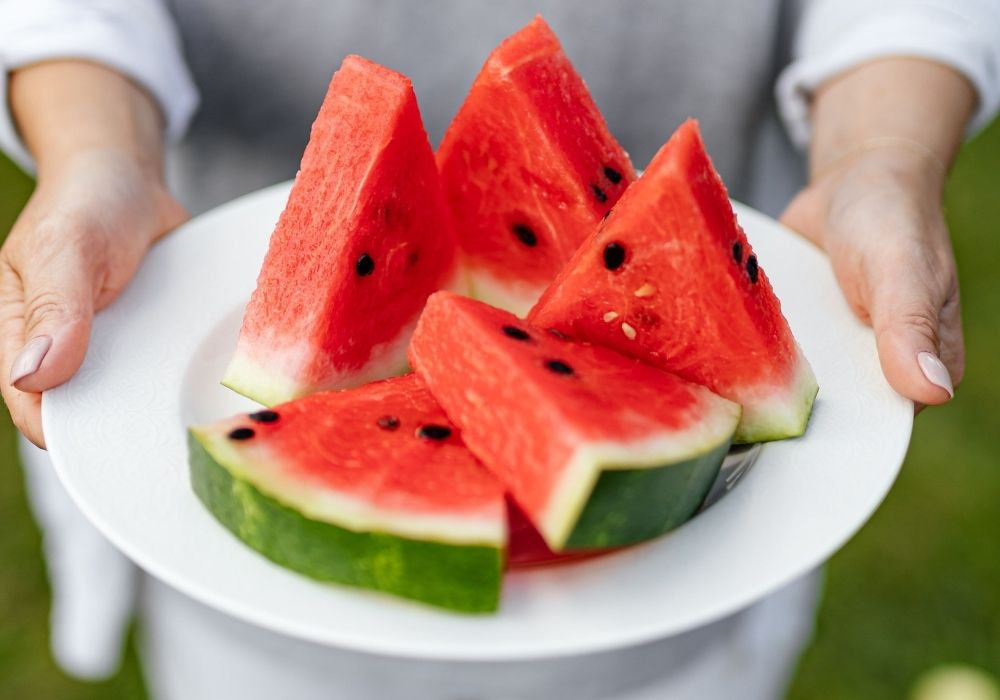
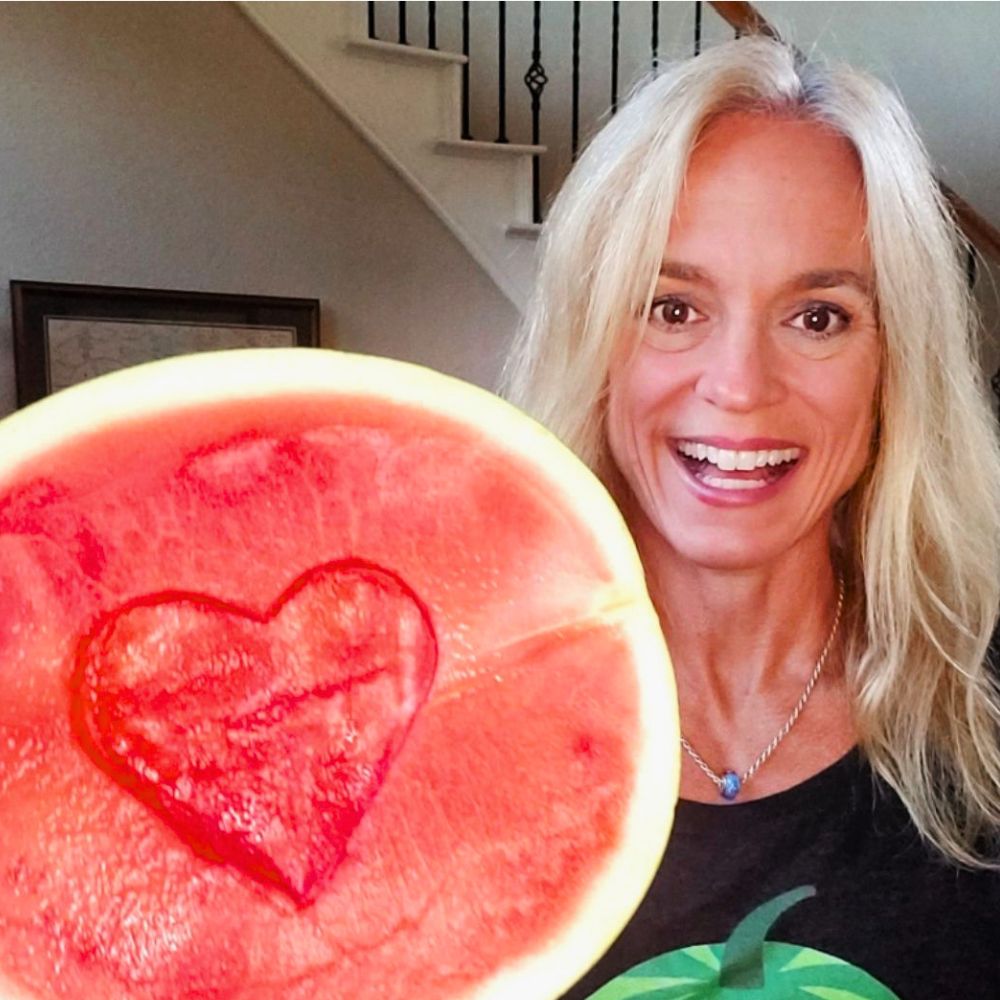
When most people think of watermelon, they think of backyard barbecues, pool days, and summer picnics. But this juicy fruit deserves a place in your kitchen for more than just its refreshing, sweet taste. If you’re like me, and committed to staying active, maintaining muscle, and aging strong, watermelon offers a surprising combination of hydration, nutrients, and plant compounds that can help support those goals.

While no single food is a magic cure-all, watermelon does fit beautifully into an overall eating pattern that promotes healthy aging—and it’s one of the easiest (and tastiest) ways to nourish your body ALL year (Even off season, personal-sized watermelons and produce cuts are almost always available). Add watermelon to a menu rich in protein, veggies and whole grain; add in lots of activity and quality sleep, and you’ve got a recipe for aging with strength!

Helps You Stay Hydrated:

Hydration becomes increasingly important and often more challenging as we age. Our natural thirst response tends to diminish over time, making it easier to become mildly dehydrated without even realizing! For active adults who enjoy walking, running, hiking, cycling, pickleball, golf, or strength training outdoors, staying ahead of dehydration is essential.

Because watermelon is made up of about 92% water, it provides both fluids and naturally occurring electrolytes (310mg potassium, 6%DV and 24mg magnesium, 6%DV), making it a refreshing way to contribute to your daily hydration needs. 

And, remember… proper hydration, from all sources, supports:

  • Healthy circulation
  • Temperature regulation during exercise
  • Joint lubrication
  • Cognitive function
  • Energy levels and exercise performance
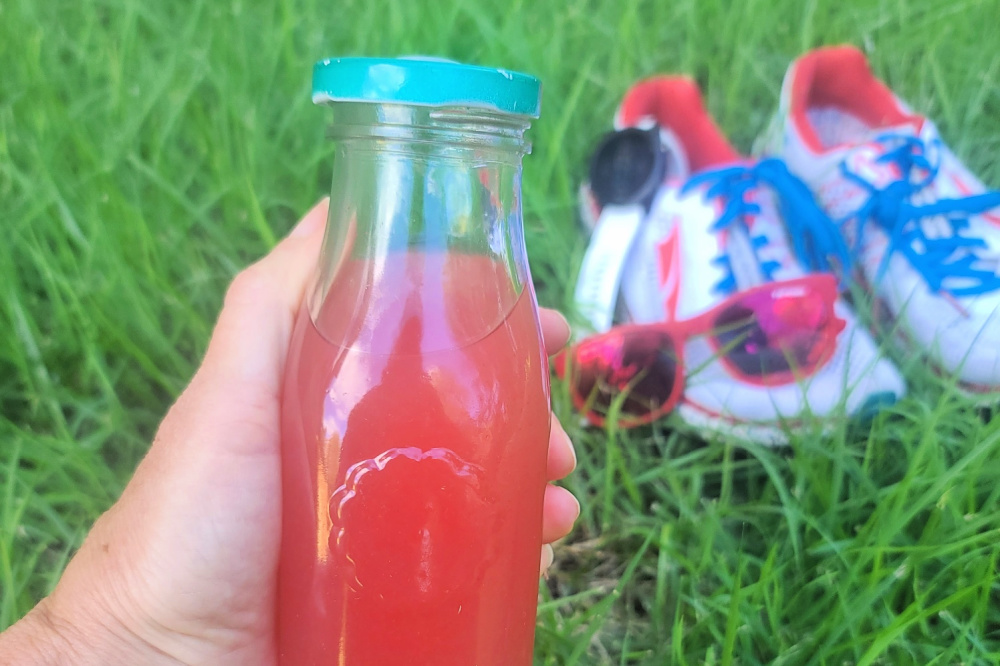
Make Watermelon-AID, a homemade sports drink featuring watermelon juice that Watermelon-AID is a homemade watermelon sports drink that will help keep you hydrated, cramp-free and provide energy for endurance events. Easy, effective and economical.
Pro tip: watermelon juice is amazing too!

Supports Heart Health:

Heart health becomes even more important as we age. And, yes, even for women! In particular, after menopause, a female’s estrogen drops and cardiovascular risk naturally increases.   

But watermelon can be part of a heart-healthy diet. It’s totally fat-free, and contributes several nutrients associated with cardiovascular wellness, including potassium (6%DV), vitamin C (25%DV), lycopene (12.7 grams of lycopene per 2 cup serving), and l-citrulline (286-1266mg per 2 cup serving). Together, these nutrients help support healthy blood vessel function and normal blood pressure as part of an overall balanced diet and active lifestyle.¹

Also, it’s of interest to note that low fruit intake is one of three dietary factors associated with death from cardiovascular disease (CVD) and type 2 diabetes (T2DM) (the other two dietary factors are high salt intake and low whole-grain intake).  (Watermelon Board)

Healthy Blood Flow:

One of watermelon’s most unique nutritional benefits is its naturally occurring L-citrulline, an amino acid that the body converts into arginine, which is then used to produce nitric oxide.

What’s so cool about this for us active agers? Well, nitric oxide helps relax blood vessels, promoting healthy circulation. Better blood flow means oxygen and nutrients can be delivered more efficiently throughout the body, including to working muscles during exercise.

Emerging research suggests this may have benefits for cardiovascular health. A 2025 meta-analysis of randomized controlled trials found that L-citrulline supplementation and watermelon intake significantly reduced both systolic and diastolic blood pressure in middle-aged and older adults, supporting watermelon as part of an overall heart-healthy dietary pattern.¹

Rich in Lycopene

Watermelon’s vibrant red color isn’t just beautiful. It comes from lycopene, a powerful antioxidant. Everyday life and especially exercise, creates oxidative stress within the body. While this is a normal process, excessive oxidative stress over time is associated with aging and chronic disease. Lycopene and the other antioxidants in watermelon may help neutralize free radicals and support your body’s natural defense systems. Diets rich in lycopene have been associated with improved cardiovascular health and reduced markers of oxidative stress.²

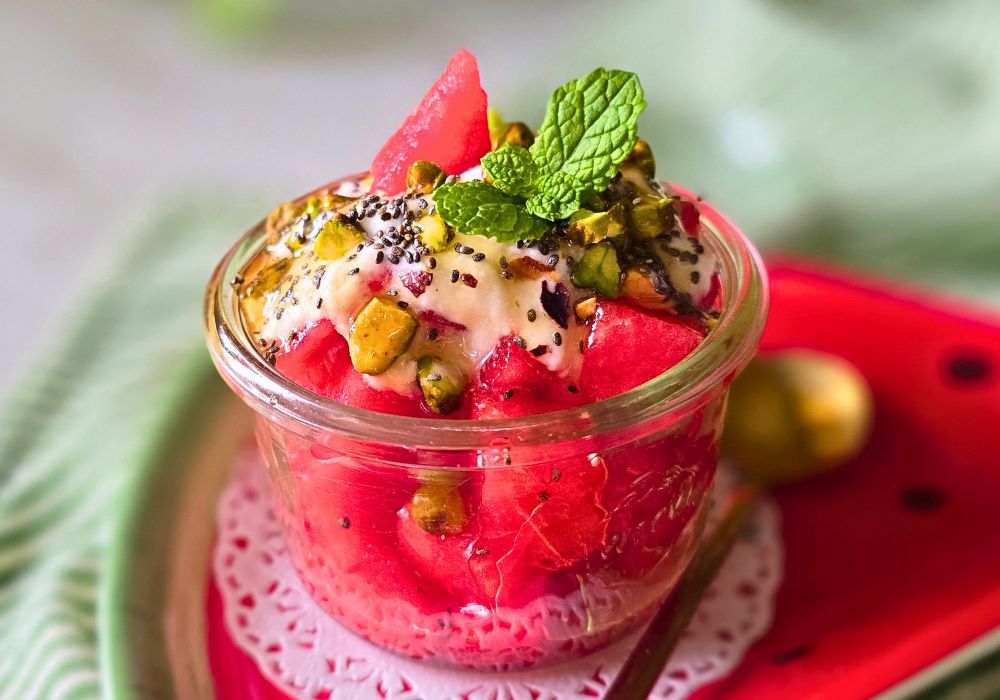
Watermelon Greek Yogurt Parfait with Pistachios & Chia Seeds

Helps You Refuel After Exercise:

After a workout, replenishing energy stores and repairing muscle tissue, are your body’s two priorities. Watermelon naturally provides carbohydrates that help replenish glycogen, the stored form of energy your muscles rely on and use up during intense/prolonged exercise.

To maximize recovery, I like to pair watermelon with a quality source of protein, such as cottage cheese, Greek yogurt, chicken, lean beef, my favorite fish, or even with protein powder in a smoothie (like my Watermelon Beet Smoothie). Also, check out the huge collection of recipes at Watermelon.org.

Supports Healthy Skin and Connective Tissue:

Caring for and supporting the tissues that keep us moving is another essential of healthy aging. Watermelon provides vitamin C (25% of DRV), an essential nutrient needed to produce collagen, the protein that helps maintain healthy skin, cartilage, blood vessels, tendons, and ligaments. Combined with its high water content, watermelon can help support and hydrate skin health from the inside out while contributing nutrients important for connective tissue.

Naturally Sweet Way to Satisfy Cravings:

If you’re trying to make more nutrient-dense choices without giving up dessert, watermelon is an easy win. Its natural sweetness, high water content, and satisfying volume make it a refreshing alternative to many calorie-dense treats. It comes in at only 80 calories per 2-cup serving. Rather than feeling deprived, you can enjoy something sweet while also getting hydration, vitamins, antioxidants, and beneficial plant compounds.

Visit Watermelon.org for more information on the Nutrition Facts and Health Benefits of Watermelon.

References

  1. Chen Y, et al. Effects of L-citrulline supplementation and watermelon consumption on blood pressure in adults: A systematic review and meta-analysis of randomized controlled trials. Clinical Nutrition ESPEN. 2025.
  2. Burton-Freeman B, et al. Watermelon and Health: A Review of the Current Evidence. Critical Reviews in Food Science and Nutrition. 2019;59(15):2422-2436.
  3. Lumeng JC, et al. Watermelon consumption is associated with improved nutrient intake and diet quality in children and adults. Nutrients. 2022;14:4147.

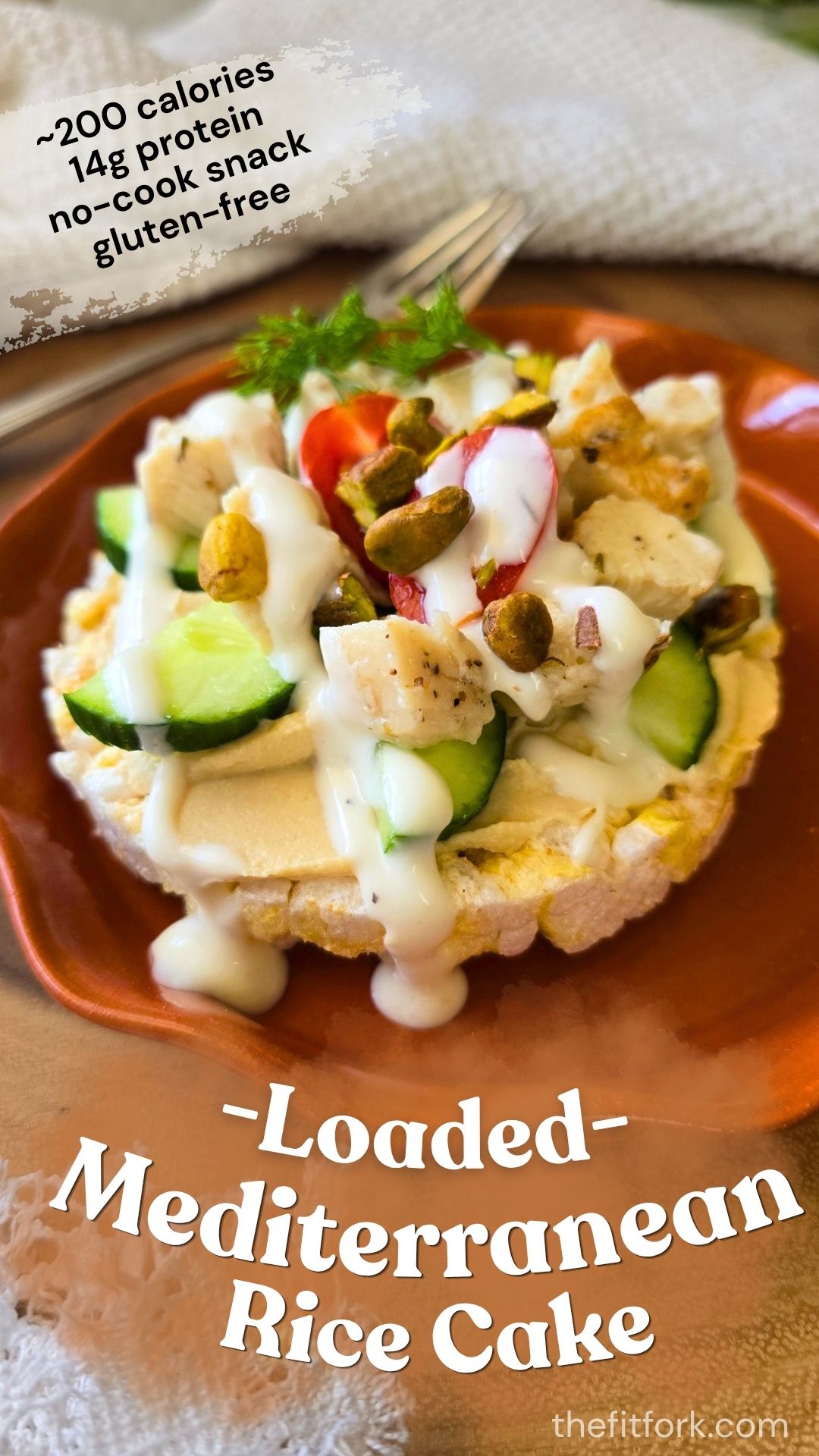
Loaded Mediterranean Chicken Rice Cake | No-Cook, Protein-Packed Snack

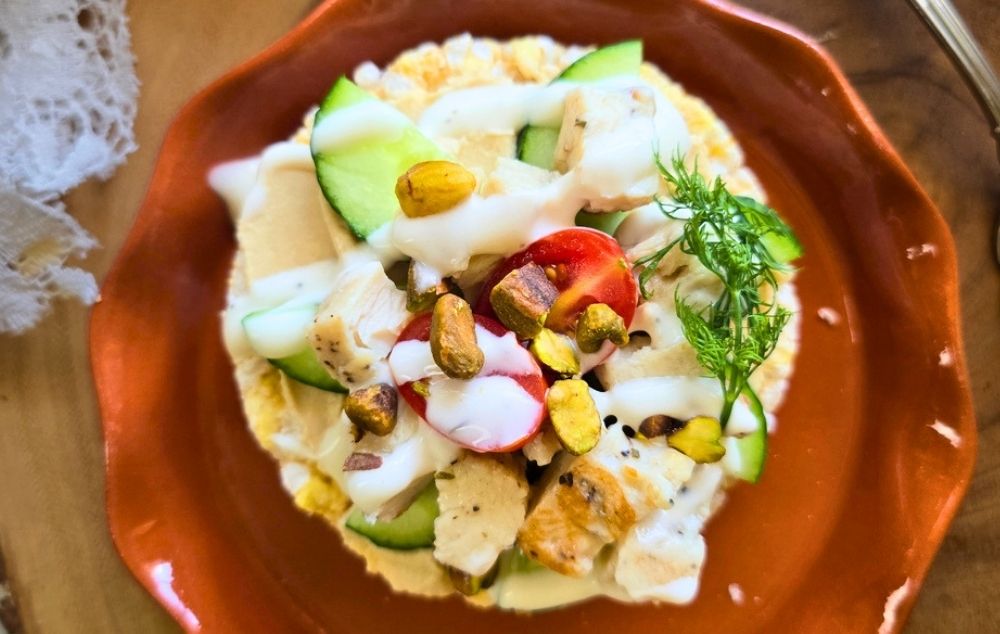
If you think rice cakes are boring, this Loaded Mediterranean Chicken Rice Cake may change your mind. A crunchy rice cake gets topped with creamy hummus, leftover chopped chicken, fresh cucumber and tomato, then finished with pistachios and a drizzle of feta ranch. It’s quick, balanced, protein-packed—and requires zero cooking.

The beauty of this recipe is that it works with what you already have. It’s the kind of snack I love: fast, flexible, protein-forward and actually fun to eat. No cooking, no complicated ingredients and no sad desk-snack vibes. At about 200 calories and 14g protein, it makes a great snack or light meal when you want something satisfying without a lot of fuss.

Why You’ll Love this Rice Cake Mini Meal

Quick & no-cook: If you have cooked protein in the fridge, this is basically an assembly job. Spread, chop, pile and drizzle. Done.

Balanced: You get carbohydrates from the rice cake, protein from the chicken, healthy fats from hummus and pistachios, plus fresh veggies for crunch and flavor.

Easy to customize: Think of the rice cake as a blank canvas. Change up the protein, vegetables, spread and toppings based on what you have—or what sounds good.

Gluten-free: Rice cakes are naturally gluten-free, although you’ll want to check ingredient labels on your hummus, dressing and other packaged toppings if you need to strictly avoid gluten.

Ingredient Tips & Easy Swaps

Rice Cakes: I used a plain rice cake, but lightly salted or flavored varieties can work, too. Look for one that’s sturdy enough to handle a generous pile of toppings without immediately falling apart.

Hummus: Classic hummus works perfectly, but flavored varieties like roasted red pepper, garlic or jalapeño can add another layer of flavor.  If you’ve got the time, try a homemade – like my Turmeric Hummus.

Protein: I used chopped chicken breast, but this is a great leftover-protein recipe. Try chopped beef, steak, brisket, leftover roast or even bacon crumbles. Basically, if it’s cooked and hanging out in your refrigerator, it’s fair game. Even a canned tuna or canned chicken can work, if you’re just relying on the pantry.

Veggies

Cucumber and tomato give this version plenty of fresh crunch, but don’t be afraid to clean out the produce drawer. Try:

  • Radish slices
  • Olives
  • Pepperoncini
  • Bell peppers
  • Red onion
  • Arugula or spinach
  • Avocado

The Finishing Touches

This is where you can really make it yours. I used chopped pistachios and a drizzle of feta ranch, but there are plenty of other delicious directions to take it:

  • Tzatziki
  • Feta crumbles
  • Tahini
  • Greek yogurt
  • Fresh herbs
  • Crushed red pepper
Loaded Mediterranean Chicken Rice Cake
Prep Time
5 mins
Total Time
5 mins
 
Loaded Mediterranean Chicken Rice Cake is a quick, no-cook, protein-packed snack made with hummus, chicken, fresh veggies and flavorful toppings. Easy to customize and gluten-free!
Course: Appetizer, lunch, Snack, workout
Cuisine: Greek
Keyword: gluten free, greek yogurt, high protein, hummus, rice cake
Servings: 2 servings
Calories: 204 kcal
Ingredients
  • 2 rice cakes
  • 2 ounces hummus* flavor of choice the single-serve 2-oz snack packs are convenient
  • ½ cup sliced cucumber
  • 3 oz cooked chicken breast leftovers, canned, convenience pack, rotisserie
  • 2 grape tomatoes halved or quartered
  • 2 tsp. chopped pistachios
  • 1 tbsp Feta Ranch or a bit of feta with ranch 😉
Instructions
  1. Divide hummus and spread evenly between the two rice cakes.
  2. Layer with the cucumber and chicken breast.
  3. Garnish with grape tomatoes and pistachios.
  4. Drizzle with dressing.

Protein-Packed Chocolate Rice Cakes That Crush Your Sweet Tooth

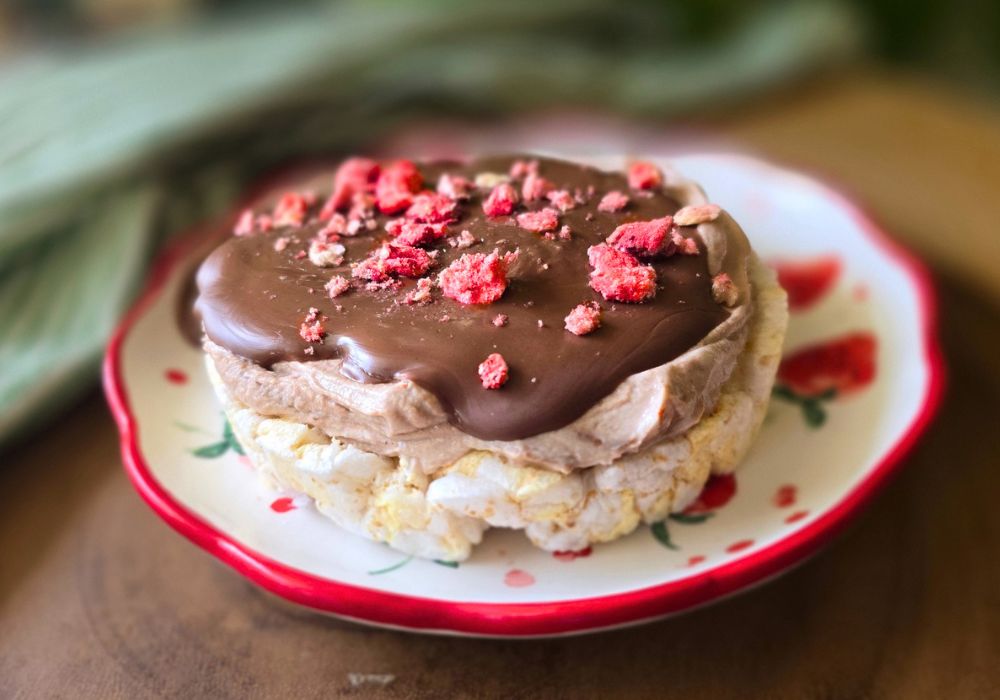
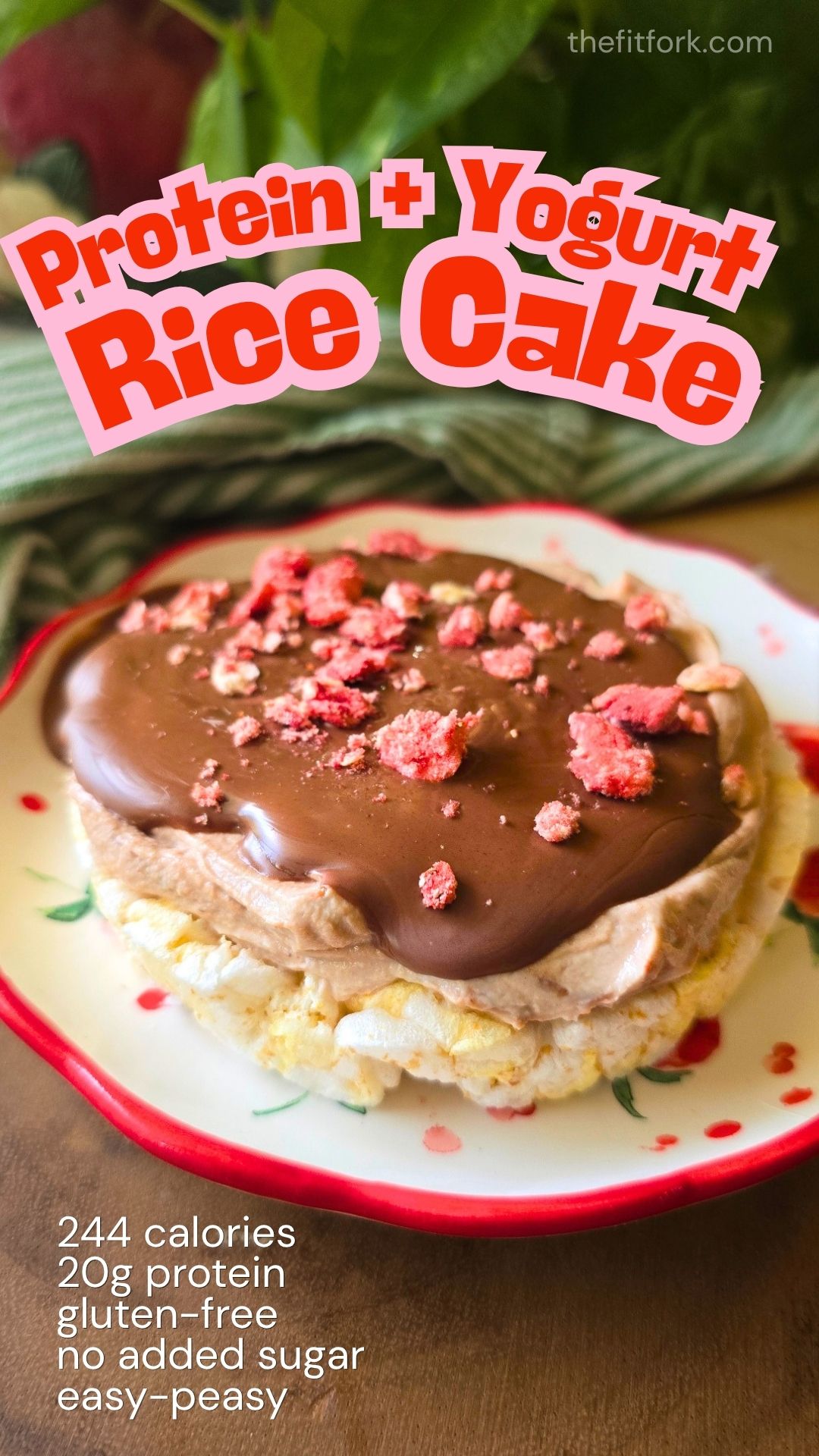
I’m firmly in the camp of eat the dessert AND get the protein! 💪😋 These Protein-Packed Chocolate-Covered Greek Yogurt Rice Cakes check all the boxes when a sweet craving hits: they’re crunchy, creamy, chocolatey, fruity and ridiculously easy to make.

Think of them as a little dessert-meets-snack situation: a crisp rice cake topped with creamy Greek yogurt, protein powder and a layer of melted chocolate, finished with a sprinkle of crunchy dehydrated strawberries.

And with plenty of protein from Greek yogurt and protein powder, they’re more than just a sweet treat. They make a great high-protein dessert, afternoon snack or post-workout bite when you want something satisfying without turning to a complicated recipe.

A Rice Cake Is Just the Beginning

Let’s be honest: plain rice cakes aren’t exactly the nutritional superstar of the snack aisle. Just made from puffed rice, plain rice cakes tend to be light and low in protein, fiber, fat and many vitamins and minerals. On the upside, many varieties are made with whole grains and are naturally gluten-free, depending on the brand. But here’s where I think rice cakes really shine: they make an incredibly convenient blank canvas for nutrient-dense toppings. Instead of eating a plain rice cake and calling it a snack, pile on ingredients that bring more protein, flavor and staying power – like Greek yogurt!

Why Greek Yogurt Makes This Treat Seriously Smart for Your Body

Greek yogurt is the secret weapon here – mere 6 ounces of Greek yogurt offers15 to 20 grams of protein! I use zero-fat plain unsweetened Greek yogurt because the protein powder adds a touch of sweetness, and the chocolate topping brings even more dessert-like flavor. But you definitely don’t have to use fat-free or plain yogurt. Try 2% or full-fat Greek yogurt if that’s your preference. Or pre-flavored yogurt. You can also experiment with a plant-based yogurt if that’s a better fit for your dietary needs. The goal isn’t to make this recipe fit into one particular diet. It’s to create a treat that works for you while adding a little more protein to the day.

Chocolate Makes Everything Better

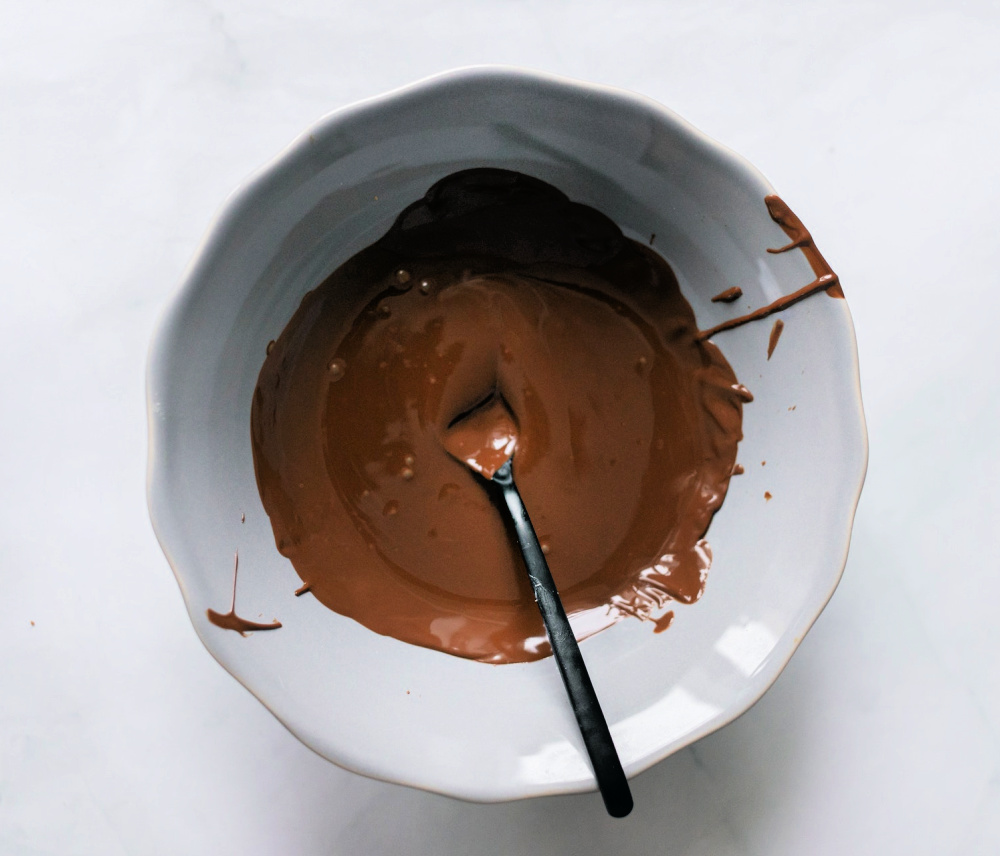
Obviously, we’re putting chocolate on these. Because life is too short for boring snacks. 😋 I usually reach for sugar-free chocolate chips. They don’t necessarily make the recipe lower in calories, but they can help reduce the carbohydrate count compared with traditional sweetened chocolate chips. That said, use whatever chocolate you love! Dark chocolate, milk chocolate, white chocolate or traditional chocolate chips can all work. The important part is that you get that thin, crackly chocolate layer on top. Once you melt with a skosh of coconut oil, it makes a healthy version of “Magic Shell” that firms up when chilled. So fun — see this post with more instructions and serving ideas for Healthy “Magic Shell” Dessert Topping.

Don’t Skip the Fruity Sprinkle

The finishing touch is freeze-dried fruit – strawberries for me, today! Freeze-dried fruit is lightweight, crunchy and intensely fruity. Crush it into little pieces (pro tip, put in a zip-top baggie and smash with a rolling pin) and you’ve got a colorful, naturally sweet topping that adds a fun contrast to the chocolate. And don’t limit yourself to strawberries. Try raspberries, blueberries, bananas, mango or another dehydrated fruit you love. You can even crush the fruit more finely and stir it right into the Greek yogurt mixture.

 Protein Powder adds Even More Protein.

Use your favorite protein powder and “type” like plant-based or whey, etc. Chocolate, vanilla or “exotic” flavors like birthday cake or caramel would all be delicious, depending on how you want the finished treat to taste. Today, I’ve used Nourify Plus protein powder from Previnex — it’s plant-based, has added nutrients and I use it for so many of my fit foodie recipes. Use my discount code THEFITFORK to save 15% off your first purchase.

Save 15% at Previnex with code THEFITFORK

When Should You Eat These?

Pretty much whenever you want dessert. 😉 But they’re especially handy when you want something sweet with a protein boost. It’s about balance! For me, this is exactly the kind of recipe that fits my eat well, move often and enjoy your food outlook. Try one as:

  • A post-workout snack
  • An afternoon pick-me-up
  • A healthier dessert
  • A late-night sweet treat
  • A quick pre- or post-run bite
  • A fun addition to a high-protein snack plate
Protein-Packed Chocolate-Covered Greek Yogurt Rice Cakes
Prep Time
5 mins
chill
10 mins
Total Time
15 mins
 
Protein-packed chocolate-covered Greek yogurt rice cakes are crunchy, creamy, sweet and easy to make. A simple high-protein dessert or post-workout treat!
Course: Dessert, Snack, workout
Cuisine: gluten free, sugar free
Keyword: dessert, frozen yogurt, healthy dessert, healthy snack, high protein, rice cake
Servings: 1 serving
Calories: 244 kcal
Ingredients
  • ¼ cup plain Greek yogurt
  • 1 Tbsp. Protein Powder of choice
  • 1 plain rice cake
  • 1 Tbsp. sugar-free chocolate chips
  • ½ tsp. coconut oil
  • 2 Tbsp approx. freeze-dried strawberries, crushed
Instructions
  1. In small bowl, mix together protein powder with Greek yogurt.
  2. Spread evenly across top of rice cake; set aside.
  3. In another small bowl, add chocolate chips and coconut oil. Microwave on high for 15 seconds, stop to stir and microwave in 5 second increments, stirring between, until smooth and glossy.
  4. Pour over top of yogurt and sprinkle crushed freeze-dried strawberries on top.
  5. Set in freezer for 10 minutes to set; enjoy!
Recipe Notes

1 serving: 244 calories | 20g protein | 9g fat |24g carb

Cheesy Guacamole Crisps: Easy & Irresistible Low Carb Avocado Snack

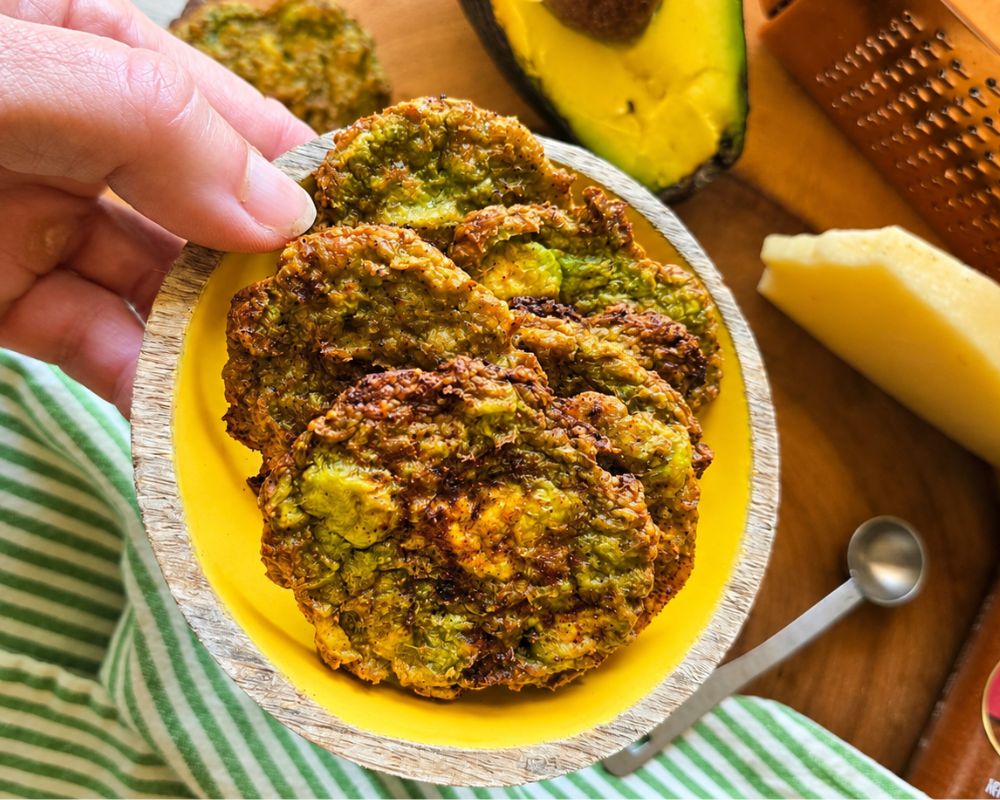
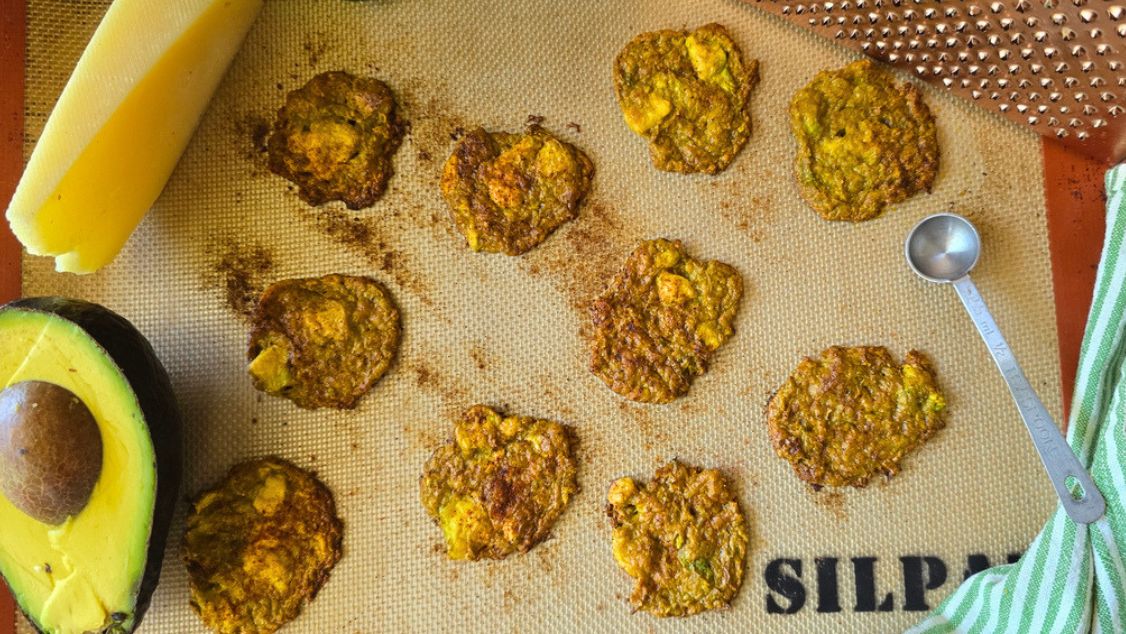
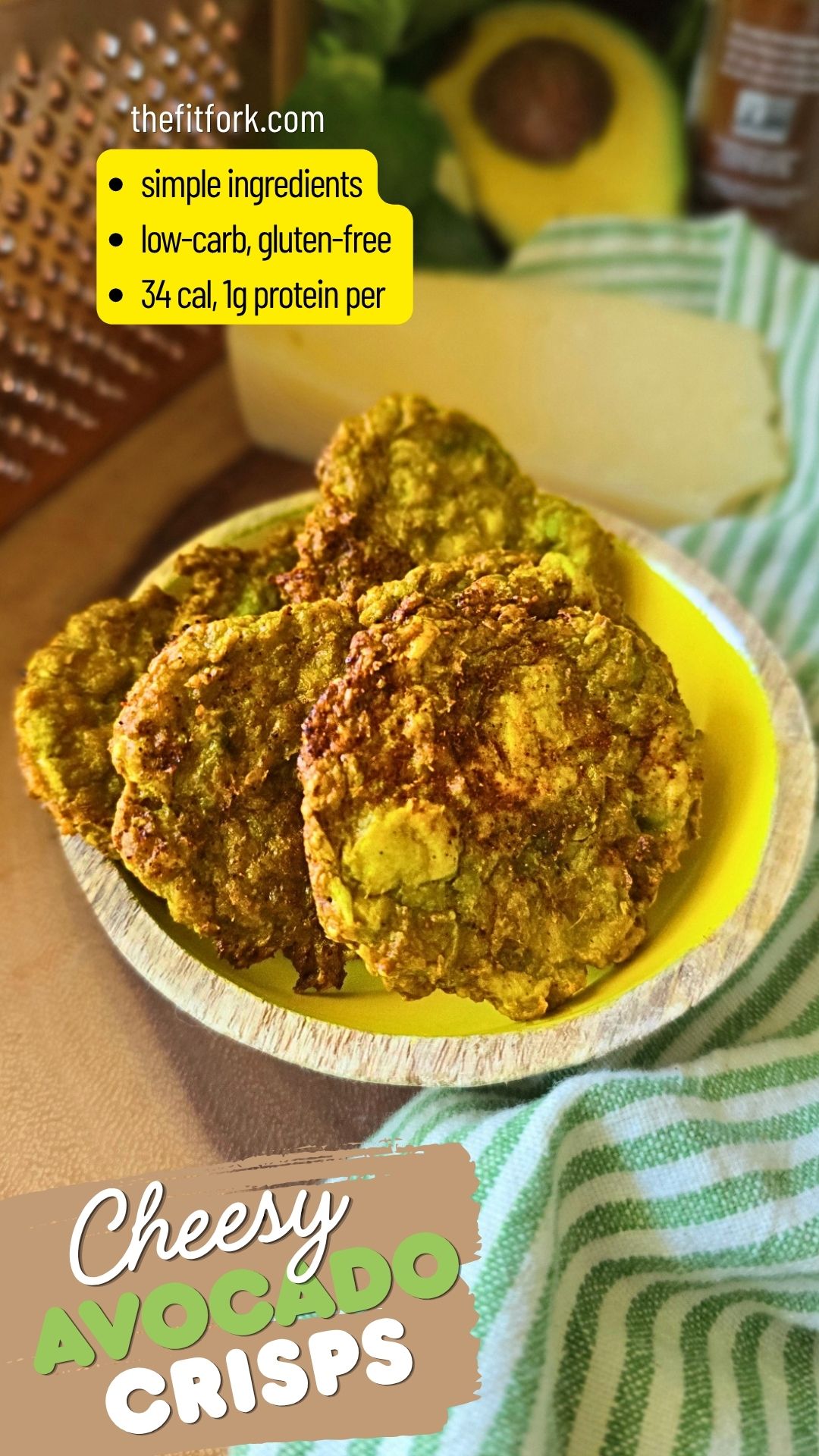
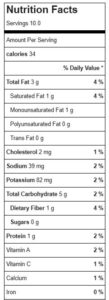
These Cheesy Avocado Crisps transform a few simple ingredients into a crispy, savory snack that’s perfect for everything from afternoon cravings to topping salads. Think of them as what might happen if guacamole decided it wanted a little crunch. And, if you’ve ever looked at an overripe avocado and thought, “I need to use this today,” this recipe is about to become one of your favorites. Other perks: You only need a handful of ingredients you probably already have on hand and they only have about 34 calories and 1g protein per piece.

Simple Ingredients, Big Flavor

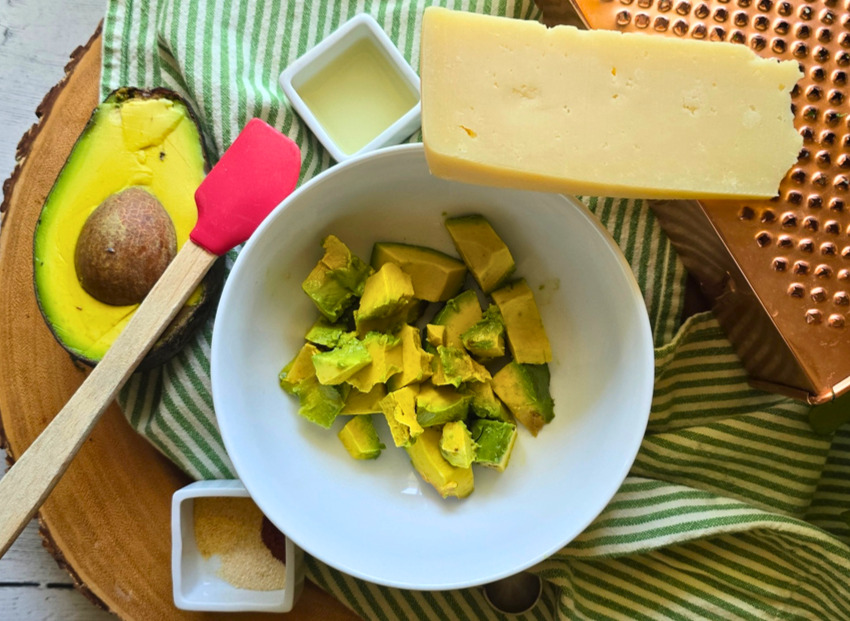
One of my favorite things about this recipe is how uncomplicated it is. There’s no long shopping list or fancy equipment required (although it’s nice to have a silicone baking mat or parchment paper for baking). Otherwise, all you need is:

  • Ripe avocado
  • Freshly grated Parmesan cheese
  • Your favorite seasonings
  • A squeeze of fresh lime juice

Perfect for Using Up Overripe Avocados

We’ve all been there. One day your avocado isn’t quite ready, and the next it’s a little softer than you planned. Instead of tossing it, this recipe gives that perfectly ripe (or slightly overripe) avocado a delicious second life.

It’s also a fantastic way to use up leftover guacamole. As long as your guacamole hasn’t become too watery, simply mix it with Parmesan and bake. It’s an easy way to reduce food waste while creating something that feels completely different from the original dip.

Easy to Customize

Another reason these crisps have earned a regular spot in my kitchen is how adaptable they are. Once you make your first batch, you’ll probably start experimenting with your own favorite spice combinations.

  • Love a little heat? Add cayenne or chipotle powder.
  • Prefer classic flavors? Garlic powder, onion powder, black pepper, and smoked paprika are always winners.
  • Want a Tex-Mex twist? Stir in taco seasoning.
  • Italian-inspired? Try Italian herbs with a pinch of red pepper flakes.

A Naturally Low-Carb Snack

When you’re looking for a satisfying snack without reaching for chips or crackers, these avocado crisps check a lot of boxes. They’re naturally low in carbohydrates, gluten-free, and packed with satisfying flavor from wholesome ingredients. The healthy fats from avocado and protein from Parmesan make them surprisingly filling, making them a smart option for everything from afternoon snacking to post-workout munchies.

Made for Life on the Go

Unlike traditional guacamole, these crisps travel beautifully. They’re sturdy enough to take along wherever your day leads—something you definitely can’t say about a container of guacamole.

  • Pack them in your lunchbox for work.
  • Tuck a few into your hiking pack for a savory trail snack.
  • Throw some into your gym bag for something satisfying after a workout.
  • Or simply keep a container on the counter when you’re craving something crunchy without opening a bag of chips.
  • Toss onto a salad as grain-free “croutons”
🥑✨ Cheesy Guac Crisps✨ 🥑
Prep Time
4 mins
Cook Time
20 mins
Total Time
25 mins
 
Turn overripe avocados into crispy Parmesan avocado crisps with just a handful of ingredients. This easy, low-carb snack is perfect for lunchboxes, hikes, gym bags, and healthy snacking.
Course: Appetizer, Snack
Cuisine: American
Keyword: avocado, blue cheese, low carb, parmsean
Servings: 10 pieces
Calories: 34 kcal
Ingredients
  • 1 large avocado pitted and peeled
  • ¼ cup finely grated fresh Parmesan cheese
  • 1 tsp lime juice
  • ½ tsp onion powder*
  • ½ tsp garlic powder*
  • ½ tsp chili powder of choice* ancho, chipotle, cayenne, etc.
Instructions
  1. Preheat oven to 325F and line baking sheet with silicone mat or parchment.
  2. Mash avocado with fork and stir in cheese, spices and lime juice.
  3. Using a teaspoon or small melon-baller, scoop out small balls of the mixture and place on baking sheet, spaced 2” apart. Use back of spoon or measuring cup to flatten each ball into a thin circle, resembling a cracker.
  4. Bake for 20-25 minutes or until golden and crisp; let sit on pan to cool completely. If you make them a little too thick, they might be softer with crisped edges – but still delicious.
Recipe Notes

*can use any spices you like — or go without.