Watermelon for Active Agers: A Refreshing Way to Support Strength, Recovery & Healthy Aging

This post is sponsored by National Watermelon Promotion Board. Learn more about watermelon nutrition and get recipes at Watermelon.org.
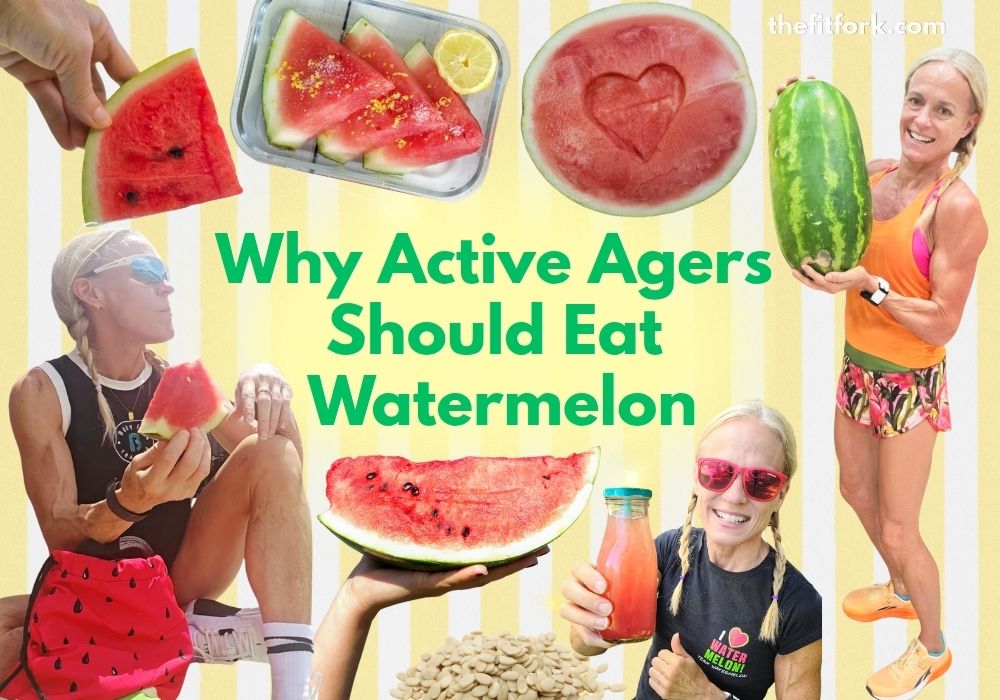
When most people think of watermelon, they think of backyard barbecues, pool days, and summer picnics. But this juicy fruit deserves a place in your kitchen for more than just its refreshing, sweet taste. If you’re like me, and committed to staying active, maintaining muscle, and aging strong, watermelon offers a surprising combination of hydration, nutrients, and plant compounds that can help support those goals.

While no single food is a magic cure-all, watermelon does fit beautifully into an overall eating pattern that promotes healthy aging—and it’s one of the easiest (and tastiest) ways to nourish your body ALL year (Even off season, personal-sized watermelons and produce cuts are almost always available). Add watermelon to a menu rich in protein, veggies and whole grain; add in lots of activity and quality sleep, and you’ve got a recipe for aging with strength!
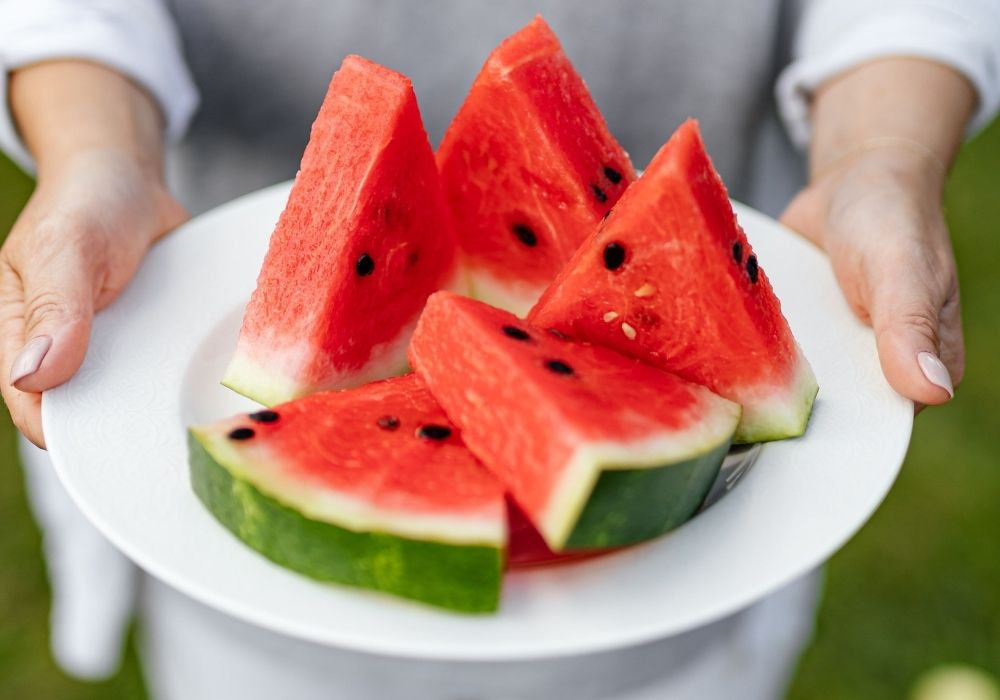
Helps You Stay Hydrated:

Hydration becomes increasingly important and often more challenging as we age. Our natural thirst response tends to diminish over time, making it easier to become mildly dehydrated without even realizing! For active adults who enjoy walking, running, hiking, cycling, pickleball, golf, or strength training outdoors, staying ahead of dehydration is essential.

Because watermelon is made up of about 92% water, it provides both fluids and naturally occurring electrolytes (310mg potassium, 6%DV and 24mg magnesium, 6%DV), making it a refreshing way to contribute to your daily hydration needs. 

And, remember… proper hydration, from all sources, supports:

  • Healthy circulation
  • Temperature regulation during exercise
  • Joint lubrication
  • Cognitive function
  • Energy levels and exercise performance
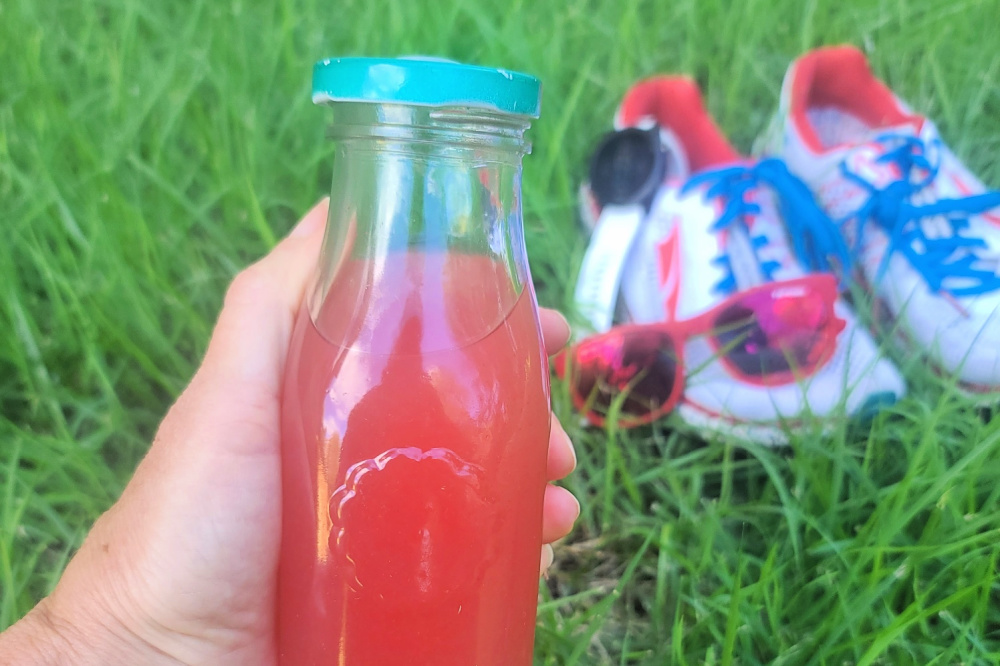
Make Watermelon-AID, a homemade sports drink featuring watermelon juice that Watermelon-AID is a homemade watermelon sports drink that will help keep you hydrated, cramp-free and provide energy for endurance events. Easy, effective and economical.
Pro tip: watermelon juice is amazing too!

Supports Heart Health:

Heart health becomes even more important as we age. And, yes, even for women! In particular, after menopause, a female’s estrogen drops and cardiovascular risk naturally increases.   

But watermelon can be part of a heart-healthy diet. It’s totally fat-free, and contributes several nutrients associated with cardiovascular wellness, including potassium (6%DV), vitamin C (25%DV), lycopene (12.7 grams of lycopene per 2 cup serving), and l-citrulline (286-1266mg per 2 cup serving). Together, these nutrients help support healthy blood vessel function and normal blood pressure as part of an overall balanced diet and active lifestyle.¹

Also, it’s of interest to note that low fruit intake is one of three dietary factors associated with death from cardiovascular disease (CVD) and type 2 diabetes (T2DM) (the other two dietary factors are high salt intake and low whole-grain intake).  (Watermelon Board)

Healthy Blood Flow:

One of watermelon’s most unique nutritional benefits is its naturally occurring L-citrulline, an amino acid that the body converts into arginine, which is then used to produce nitric oxide.

What’s so cool about this for us active agers? Well, nitric oxide helps relax blood vessels, promoting healthy circulation. Better blood flow means oxygen and nutrients can be delivered more efficiently throughout the body, including to working muscles during exercise.

Emerging research suggests this may have benefits for cardiovascular health. A 2025 meta-analysis of randomized controlled trials found that L-citrulline supplementation and watermelon intake significantly reduced both systolic and diastolic blood pressure in middle-aged and older adults, supporting watermelon as part of an overall heart-healthy dietary pattern.¹

Rich in Lycopene

Watermelon’s vibrant red color isn’t just beautiful. It comes from lycopene, a powerful antioxidant. Everyday life and especially exercise, creates oxidative stress within the body. While this is a normal process, excessive oxidative stress over time is associated with aging and chronic disease. Lycopene and the other antioxidants in watermelon may help neutralize free radicals and support your body’s natural defense systems. Diets rich in lycopene have been associated with improved cardiovascular health and reduced markers of oxidative stress.²
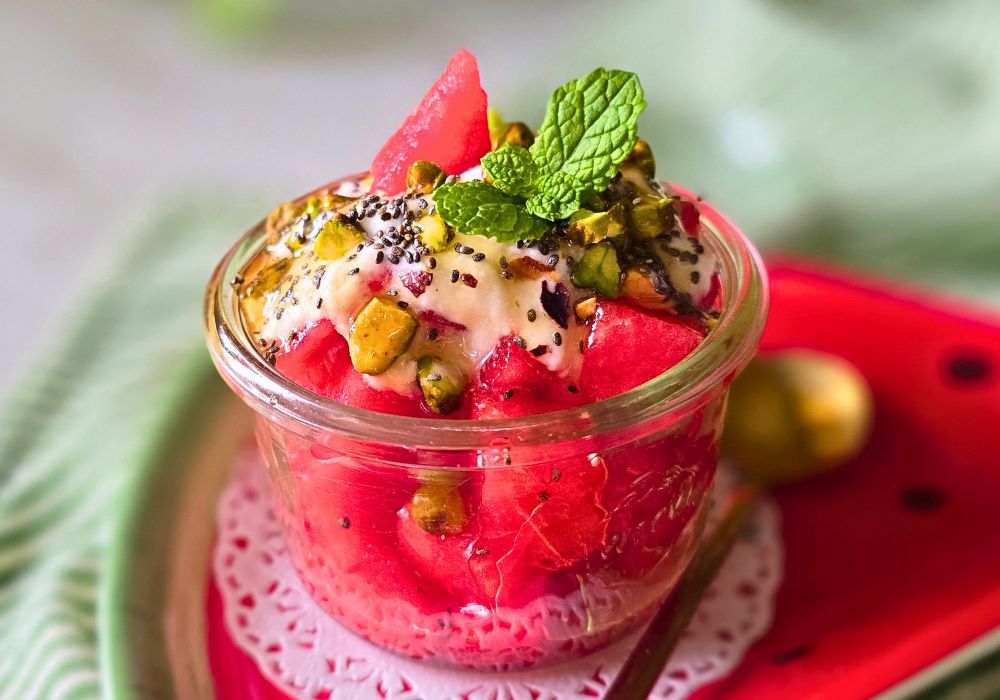
Watermelon Greek Yogurt Parfait with Pistachios & Chia Seeds

Helps You Refuel After Exercise:

After a workout, replenishing energy stores and repairing muscle tissue, are your body’s two priorities. Watermelon naturally provides carbohydrates that help replenish glycogen, the stored form of energy your muscles rely on and use up during intense/prolonged exercise.

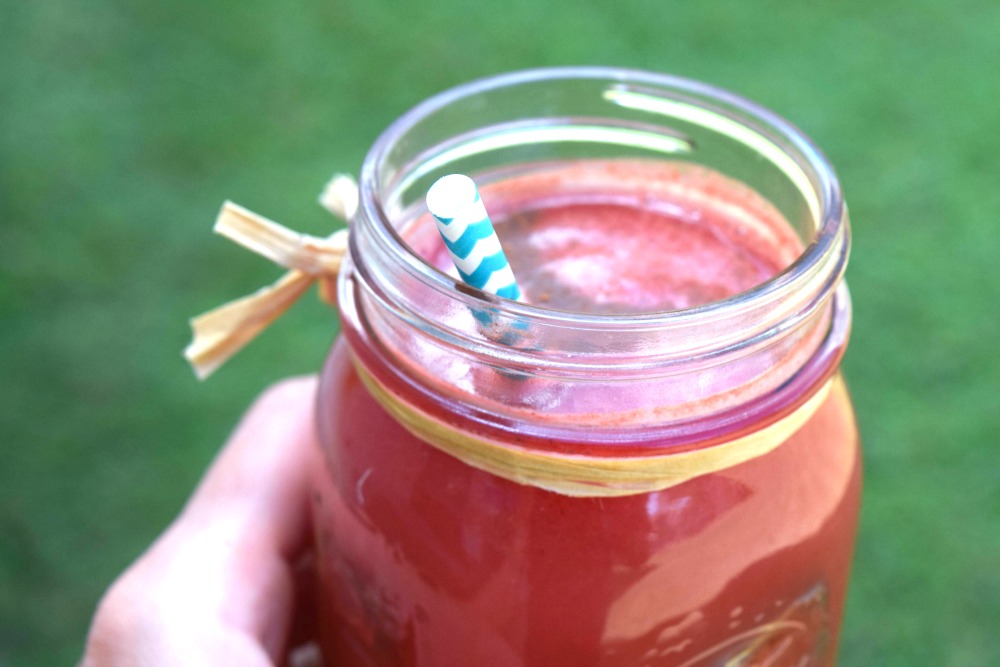
To maximize recovery, I like to pair watermelon with a quality source of protein, such as cottage cheese, Greek yogurt, chicken, lean beef, my favorite fish, or even with protein powder in a smoothie (like my Watermelon Beet Smoothie). Also, check out the huge collection of recipes at Watermelon.org.

Supports Healthy Skin and Connective Tissue:

Caring for and supporting the tissues that keep us moving is another essential of healthy aging. Watermelon provides vitamin C (25% of DRV), an essential nutrient needed to produce collagen, the protein that helps maintain healthy skin, cartilage, blood vessels, tendons, and ligaments. Combined with its high water content, watermelon can help support and hydrate skin health from the inside out while contributing nutrients important for connective tissue.

Naturally Sweet Way to Satisfy Cravings:

If you’re trying to make more nutrient-dense choices without giving up dessert, watermelon is an easy win. Its natural sweetness, high water content, and satisfying volume make it a refreshing alternative to many calorie-dense treats. It comes in at only 80 calories per 2-cup serving. Rather than feeling deprived, you can enjoy something sweet while also getting hydration, vitamins, antioxidants, and beneficial plant compounds.

Visit Watermelon.org for more information on the Nutrition Facts and Health Benefits of Watermelon.
References

  1. Chen Y, et al. Effects of L-citrulline supplementation and watermelon consumption on blood pressure in adults: A systematic review and meta-analysis of randomized controlled trials. Clinical Nutrition ESPEN. 2025.
  2. Burton-Freeman B, et al. Watermelon and Health: A Review of the Current Evidence. Critical Reviews in Food Science and Nutrition. 2019;59(15):2422-2436.
  3. Lumeng JC, et al. Watermelon consumption is associated with improved nutrient intake and diet quality in children and adults. Nutrients. 2022;14:4147.
Irresistible Nectarine Avocado Caprese Salad (A Fresh Summer Twist!)

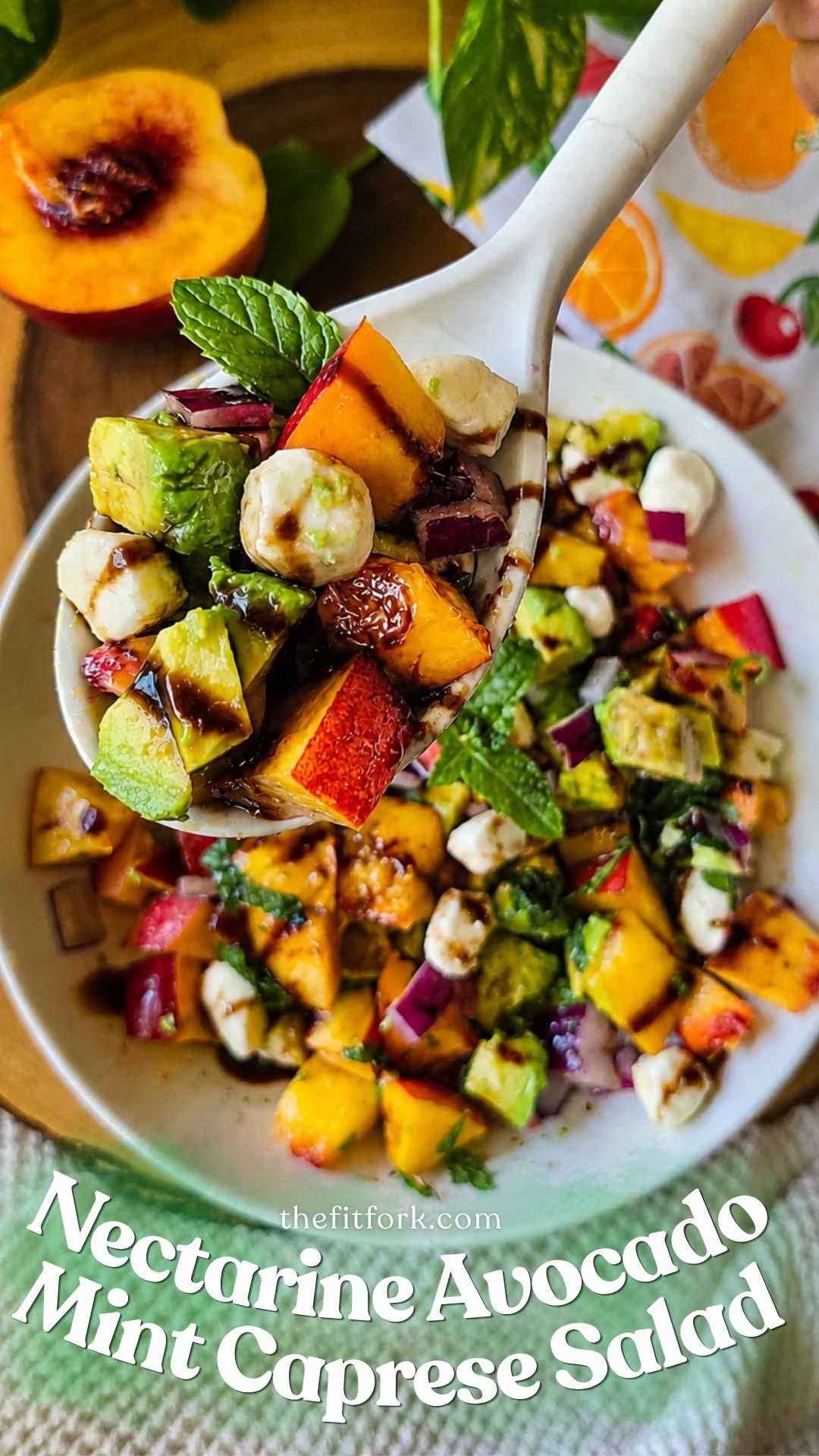
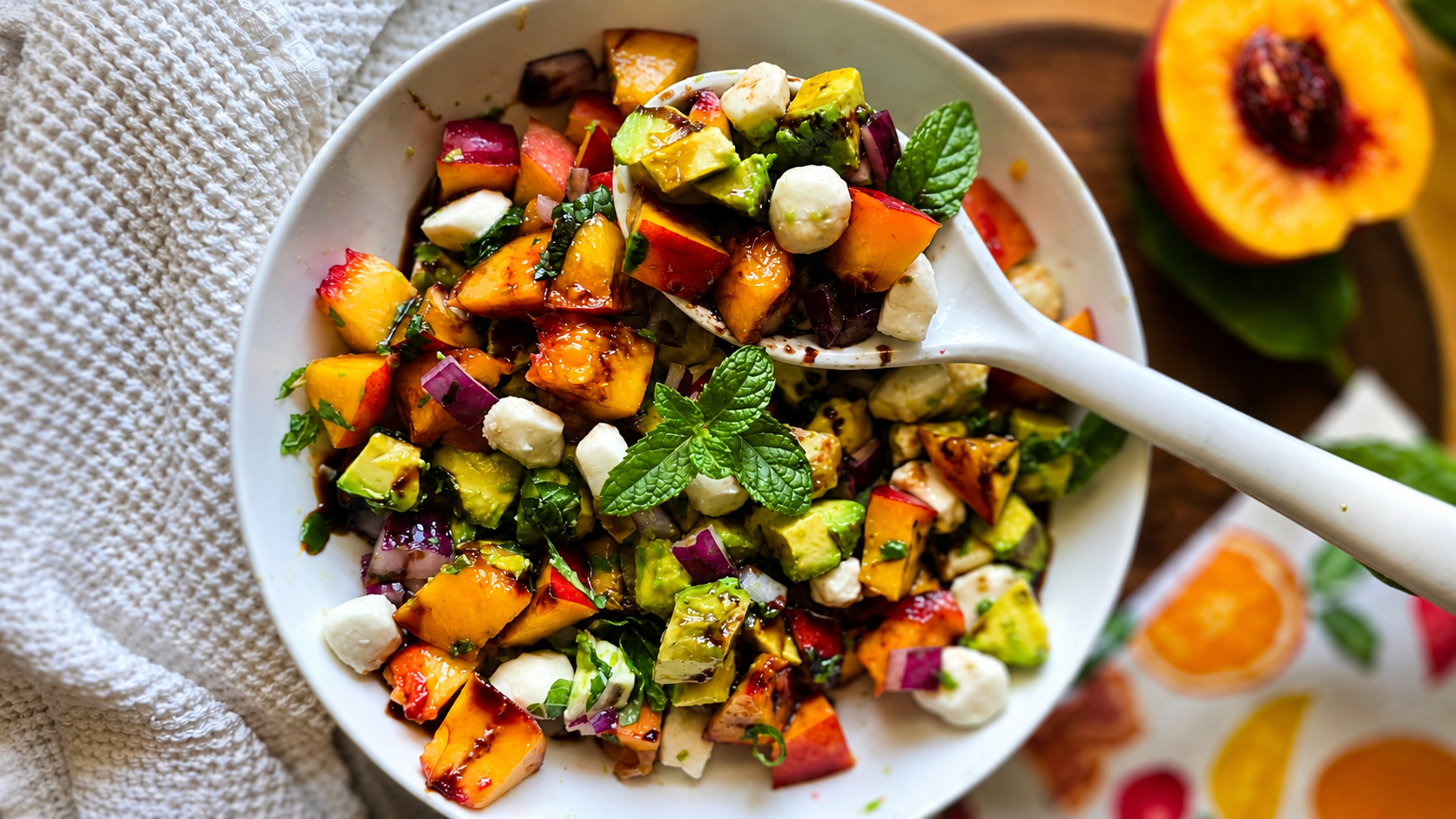
If summer had an official salad with my name on it, this this Nectarine Avocado Caprese Salad might just be it! Taking everything I love about a traditional Caprese and gives it a fresh, fruit-forward makeover. Sweet, juicy nectarines step in for tomatoes while creamy avocado, fresh mozzarella pearls, crisp red onion, and cool mint create layers of flavor and texture in every bite.

Finished with fragrant mint and a drizzle of rich balsamic syrup, it’s a light yet satisfying dish that’s elegant enough for entertaining but simple enough for an everyday lunch. The combination of sweet fruit, creamy cheese, and tangy balsamic creates the perfect balance of flavors that feels both refreshing and a little indulgent.

Even better? There’s no cooking required, making it one of those recipes you’ll reach for all summer long when it’s too hot to turn on the stove.

Why You’ll Love This Nectarine Caprese Salad

  • No cooking required. Perfect for hot summer days when you want something fresh without heating up the kitchen.
  • Ready in minutes. Just chop, assemble, and serve.
  • Naturally colorful and beautiful. It’s almost too pretty to eat—and always disappears fast.
  • Perfect for entertaining. Great for backyard BBQs, potlucks, brunches, showers, or weeknight dinners.
  • Meal prep friendly. Assemble everything ahead of time, then add the avocado and balsamic drizzle just before serving for the freshest presentation.

A Fresh Take on Traditional Caprese

Classic Caprese is all about ripe tomatoes, basil, fresh mozzarella, olive oil, and balsamic. This version keeps the spirit of that iconic Italian salad while celebrating one of summer’s best fruits – nectarines and avocado (yes, it’s a fruit!). Juicy nectarines provide a naturally sweet, slightly tangy bite that pairs beautifully with creamy mozzarella. Instead of relying on basil, fresh mint adds an unexpected burst of coolness that complements the fruit especially well.  It’s familiar enough to satisfy Caprese lovers while feeling entirely new.

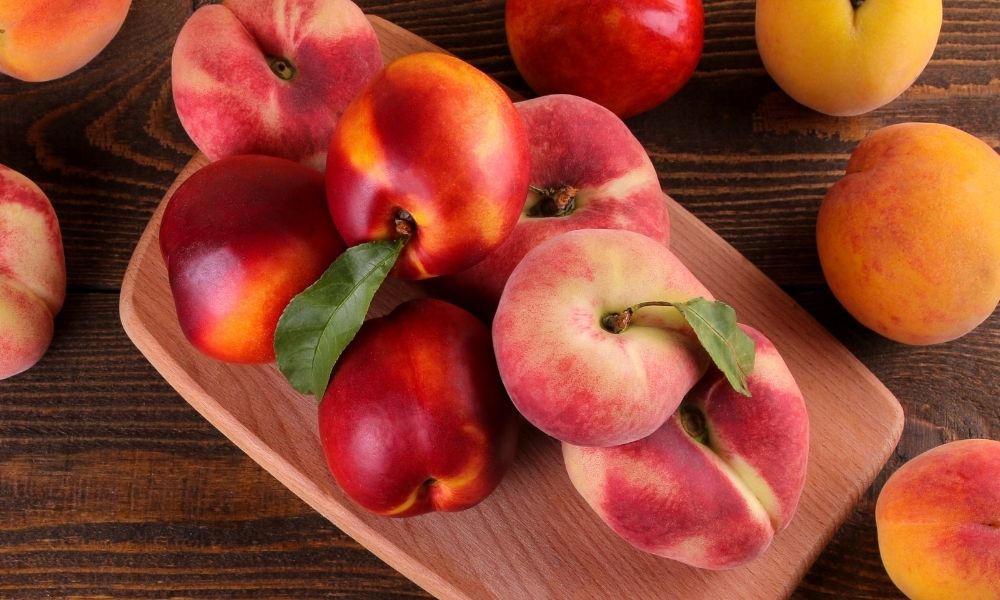
Can I use Peaches Instead of Nectarines?

Yes, peaches make a natural substitution. In fact, did you know that nectarines and peaches are the exact same species (Prunus persica). The only difference between the two genetically is a  a single recessive gene variant prevents nectarines from growing the fuzzy skin that peaches are known for. And, to be honest – I prefer that! Smooth skin means there’s no peeling is required, and I find them to have a tangier, slightly bolder flavor than peaches.

Both are naturally sweet and provide vitamin C, fiber, potassium, and antioxidants. Choosing ripe—but still slightly firm—nectarines or peaches helps the salad maintain its texture even if it’s prepared ahead of time.

Creamy Avocado Makes It Extra Satisfying

Avocado adds more than just beautiful color. The buttery texture contrasts perfectly juicy fruit while contributing heart-healthy monounsaturated fats that help make this salad surprisingly filling. Combined with protein-rich mozzarella and savory prosciutto, the salad easily works as a light lunch or a substantial side dish. Just wait to add the avocado until serving time to keep it looking vibrant and fresh.

Tips for the Best Nectarine or Peach Caprese Salad

  • Choose nectarines or peaches that are ripe but still slightly firm.
  • Add avocado just before serving to prevent browning.
  • Wait until the last minute to drizzle with balsamic syrup for the freshest appearance.
  • Fresh mozzarella pearls make serving easy, but torn fresh mozzarella (or chopped) works beautifully too.
  • Don’t skip the fresh mint—it gives this version its unique, refreshing flavor.
Nectarine Avocado Caprese Salad
This colorful Caprese-inspired salad is packed with juicy nectarines, avocado, mozzarella pearls, red onion and fresh mint. An irresistibly summer-sweet side dish!
Course: Appetizer, Salad, Side Dish
Cuisine: summer
Keyword: avocado, caprese, nectarine, no cook, summer
Servings: 4 servings
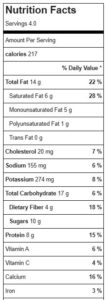
Calories: 217 kcal
Ingredients
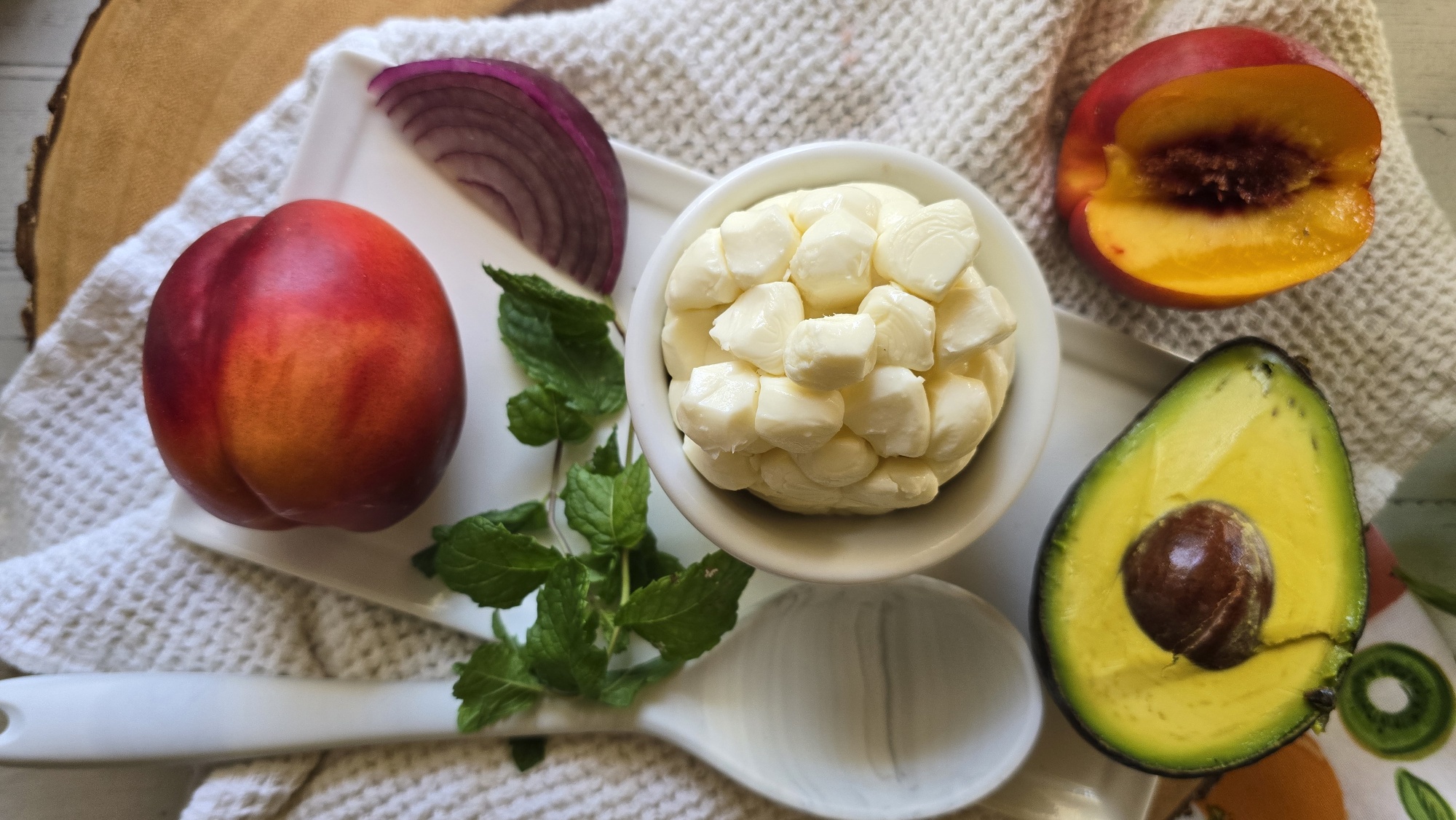
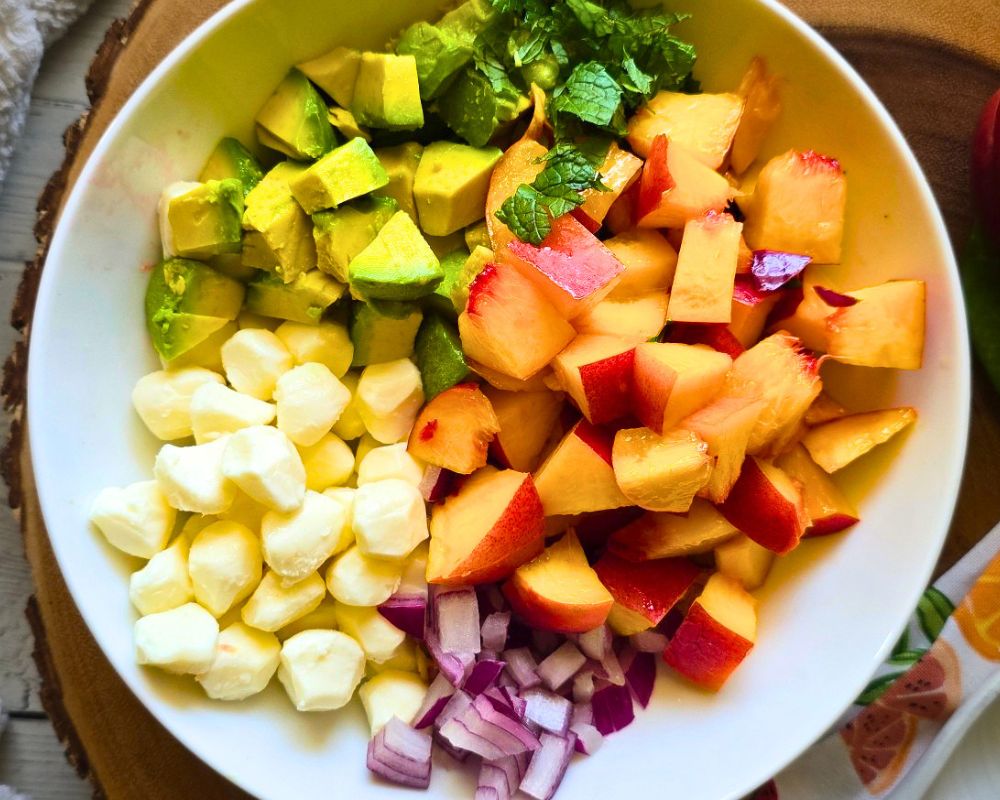
  • 2 nectarines ripe yet slightly firm
  • 1 large avocado ripe yet slightly firm
  • ¼ cup diced red onion
  • 4 oz fresh mozzarella “pearls ” drained
  • 1 Tbsp lime juice
  • ¼ cup fresh mint chopped
  • 2 Tbsp balsamic syrup
Instructions
  1. Wash nectarines; remove pits. Chop into ½-inch pieces.
  2. Pit and peel avocado; chop into similar-sized pieces.
  3. Add nectarine and avocado to serving bowl along with mozzarella, red onion, and mint.
  4. Gently stir in lime juice as to not damage the fruit.
  5. Drizzle with balsamic vinegar and serve!
Recipe Notes

Watermelon and Cinnamon: Surprising Health Benefits + Easy Recipes

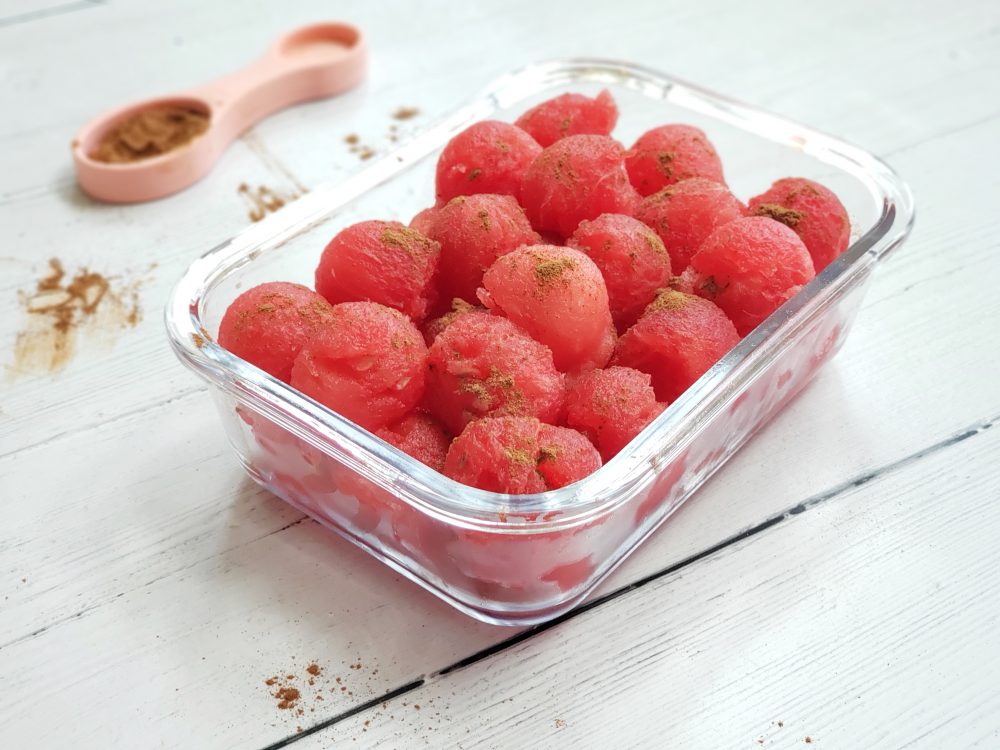
Watermelon seasoned with cinnamon and vanilla

Watermelon with cinnamon might sound a little unexpected… but nutritionally, this pairing actually makes a lot of sense. Whether you’re looking for a refreshing snack, a smarter way to satisfy a sweet tooth, or a simple performance-friendly bite, this combo delivers more than just flavor.

Let’s break down why it works 👇

🍉 Hydration + Blood Sugar Balance:  Watermelon is about 90% water, making it one of the most hydrating fruits you can eat—especially helpful before or after workouts, during hot weather, or anytime you need a refresh.

Because it’s naturally sweet, watermelon can spike blood sugar quickly on its own. That’s where cinnamon comes in. Cinnamon has been studied for its ability to help improve insulin sensitivity, which may support a more balanced blood sugar response when paired with fruit.

🔥 Metabolism + Flavor Boost: Cinnamon contains compounds like cinnamaldehyde, which may help support metabolic function. While it’s not a magic bullet, adding cinnamon is an easy, natural way to enhance your overall nutrition strategy.

Bonus: cinnamon amplifies sweetness without adding sugar—so your watermelon tastes even better with zero extra calories.

🛡️ Antioxidant Power Combo: This pairing brings together two antioxidant-rich foods:

  • Watermelon is packed with lycopene, which is linked to heart health and reduced inflammation
  • Cinnamon provides polyphenols that help combat oxidative stress

Together, they can help support recovery from workouts and protect against everyday wear and tear on the body.

🌿 Digestive Support: Cinnamon has traditionally been used to support digestion and may help reduce bloating or discomfort that some people experience with fruit. Adding a light sprinkle can make watermelon easier on your stomach—especially if you’re sensitive to high-water or high-sugar fruits.

💪 A Workout-Friendly Snack: Simple, effective, and easy to digest plus, it’s hydrating, light on the stomach, and naturally energizing. This combo works well pre-workout for quick fuel or post-workout to rehydrate and replenish.

✨ Why I Use Ceylon Cinnamon Instead of Regular

Not all cinnamon is created equal. Most grocery store cinnamon is Cassia cinnamon, which contains higher levels of coumarin—a compound that isn’t ideal in larger amounts over time.

Ceylon cinnamon (often called “true cinnamon”) is my go-to because it’s:

✔️ Lower in coumarin
✔️ Milder and slightly sweeter in flavor
✔️ Better suited for regular, everyday use

If you’re using cinnamon frequently, upgrading to Ceylon Cinnamon is a small change that can make a difference.

🍽️ Recipes with Watermelon and Cinnamon

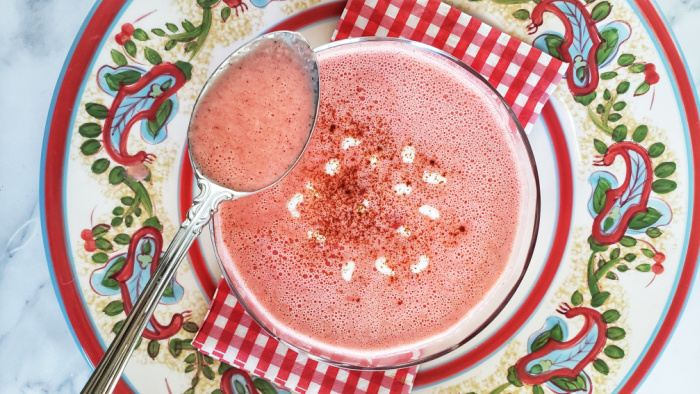
Creamy Cinnamon Vanilla Watermelon Soup
Light, refreshing, and surprisingly indulgent—perfect for warm weather.

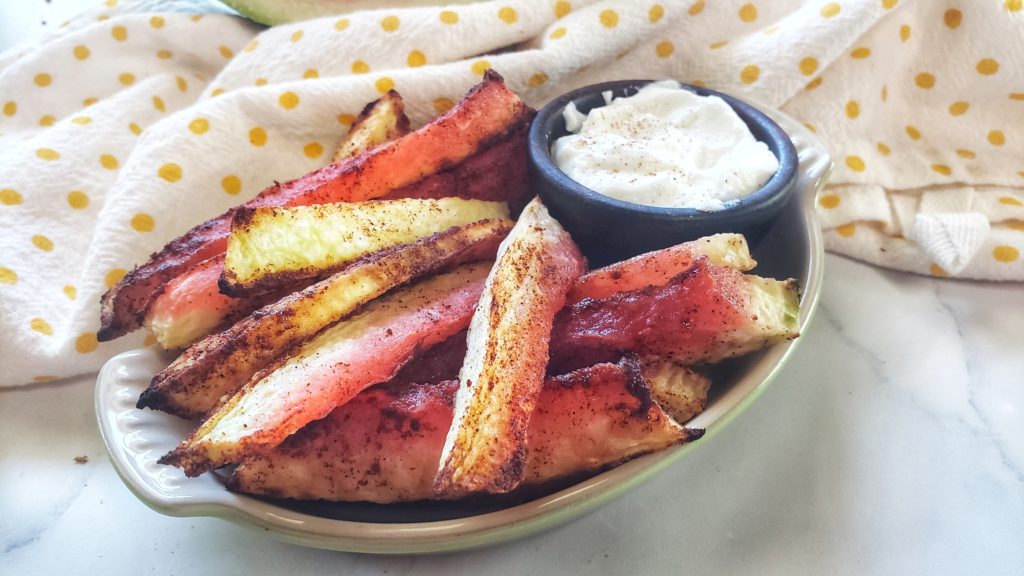
Cinnamon Churro Watermelon Rind Fries
A fun, low-waste recipe that transforms watermelon rind into a sweet, spiced treat.

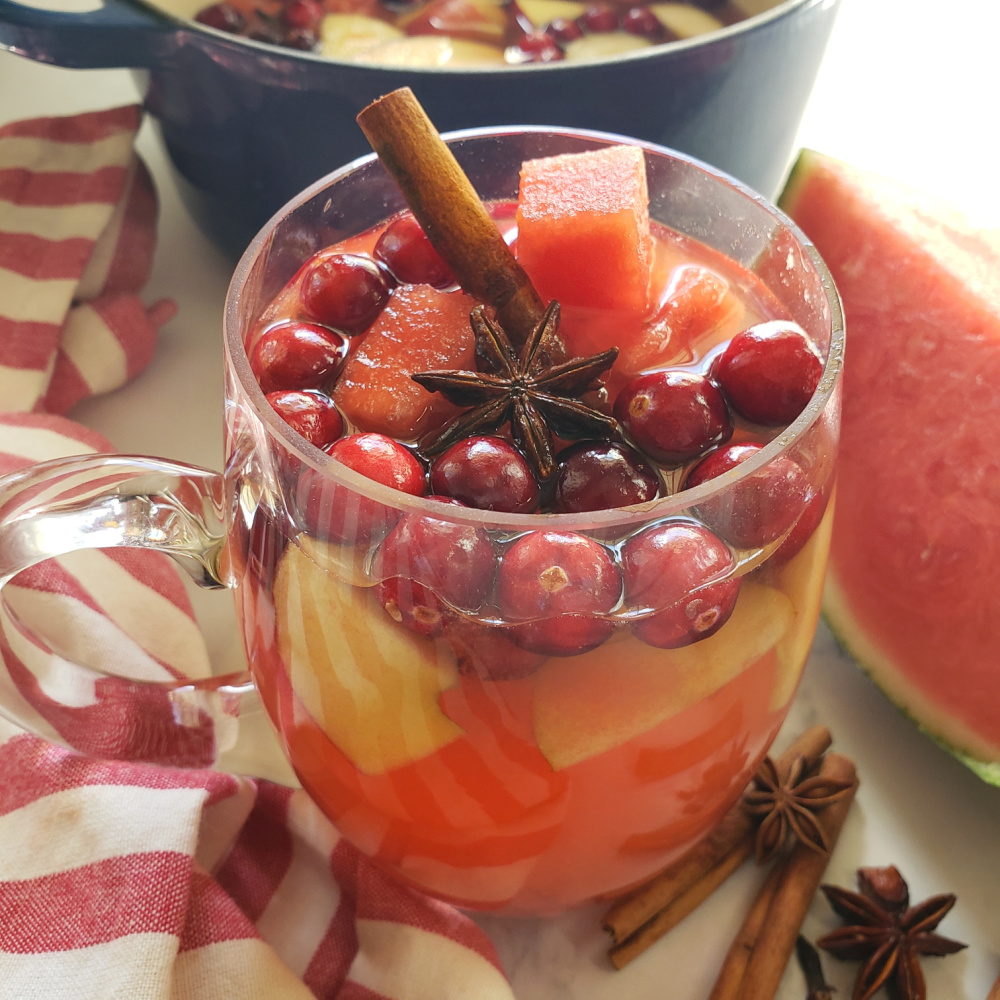
This easy-to-make warm punch featuring watermelon juice is naturally sweet and delicious, bejeweled with fruit and fragrant with seasonal spices. Brandy optional! Perfect for holiday entertaining, including brunches, open houses, cocktail parties and more!

Mulled Watermelon Apple Cider
Cozy and spiced—great warm in cooler months, or served over ice in summer for a refreshing twist.

Watermelon Apple Switchel A refreshing watermelon drink with anti-inflammatory benefits from cinnamon and all sorts of health perks from fermented apple cider vinegar.

Love Your Heart with Watermelon: A Sweet Way to Support Heart Health in February (and Beyond)

Chocolate Espresso Protein Oats made in the air fryer with whole grain oats and protein powder. A gluten free, flourless, no added sugar breakfast with 23g protein—ready in under 15 minutes.

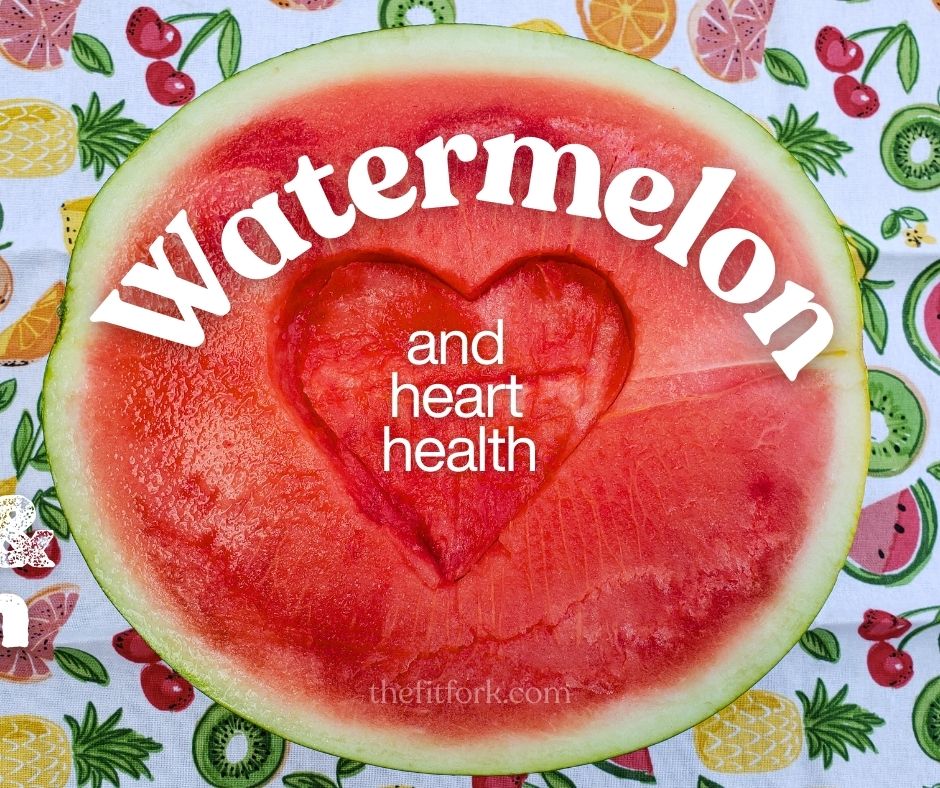
February is American Heart Month — a time to focus on cardiovascular wellness and the habits that support a strong, active life. One simple, delicious way to love your heart? Watermelon. From hydration to heart-friendly phytonutrients, this juicy fruit brings benefits you’ll want all year long.

Watermelon: Hydration That Works for Your Heart

  • Watermelon is ~92% water, making it a natural hydrator — perfect for active people who sweat, train, and need to stay balanced. Adequate hydration supports vital body processes such as delivering nutrients and oxygen to cells, flushing out waste products, and lubricating joints.  (Watermelon Board)
  • Watermelon also has nutrients that support heart health, like magnesium (6% DV), which helps keep the heartbeat steady and phosphorus (2% DV), which has a role in the electrical activity of the heart.)  (Watermelon Board)
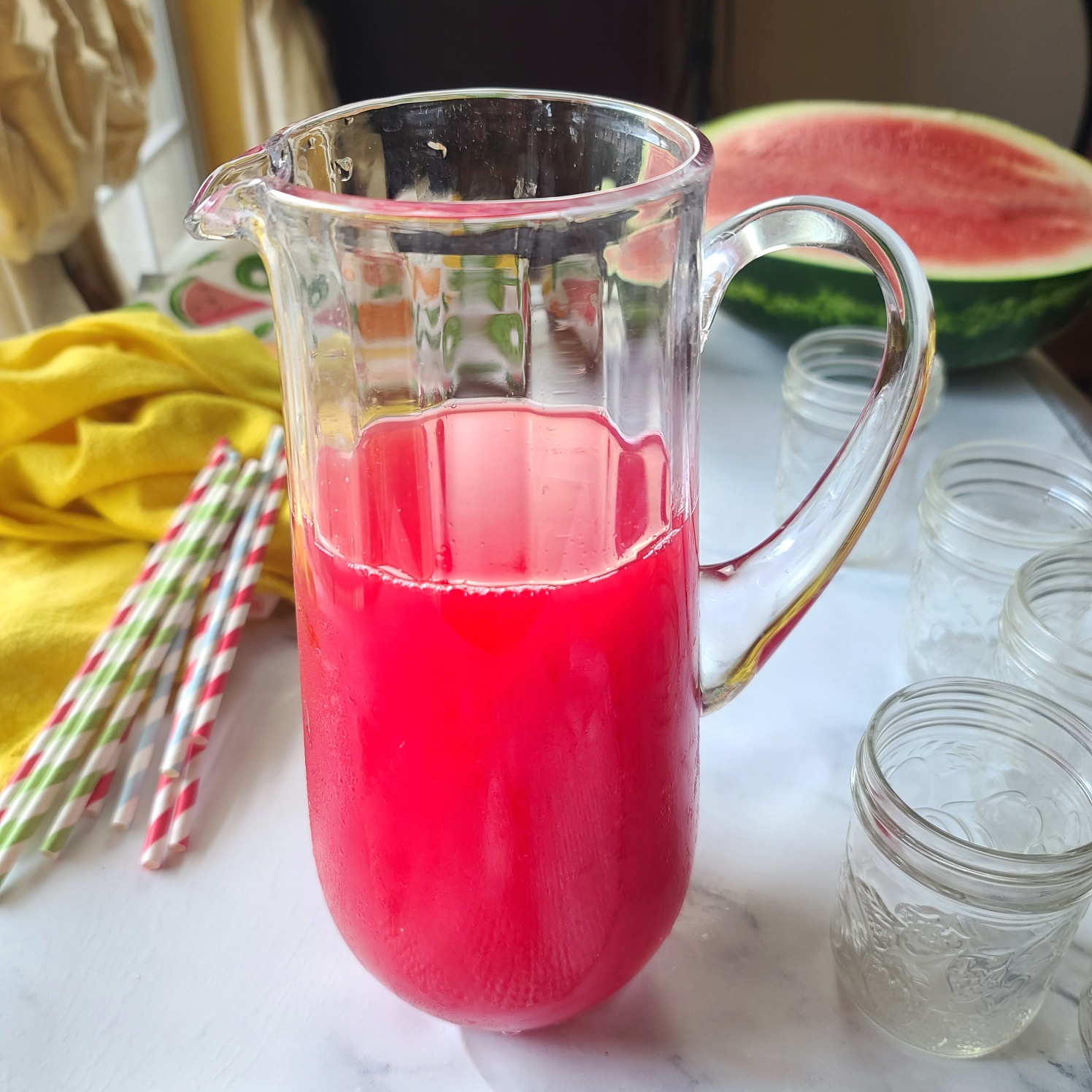
watermelon juice is a hydrating, sweet, natural beverage that is easy and economical to make at home.
Learn how to make, store and serve watermelon juice, it’s a convenient way to get the benefits of watermelon on the go.

Lycopene Leader: An Antioxidant-Rich Nutrient

  • Lycopene is a powerful plant carotenoid. A true lycopene leader, watermelon contains 12.7 mg per 2-cup serving – more than any other fresh fruit or vegetable commonly eaten in the United States.Some research links lycopene intake with support for blood pressure, cholesterol, and overall cardio-metabolic health.Further research is needed with a larger sample size and longer duration in order to fully determine the clinical implications. (Watermelon Board)  

L-Citrulline, Blood Flow & Watermelon

  • Exciting new areas of study suggest that an amino acid called L-citrulline (286- 1266 mg per 2 cup serving) in watermelon may help to support vascular health and help maintain healthy blood flow. Larger and longer term studies are needed to demonstrate this effect in other populations(Watermelon Board)
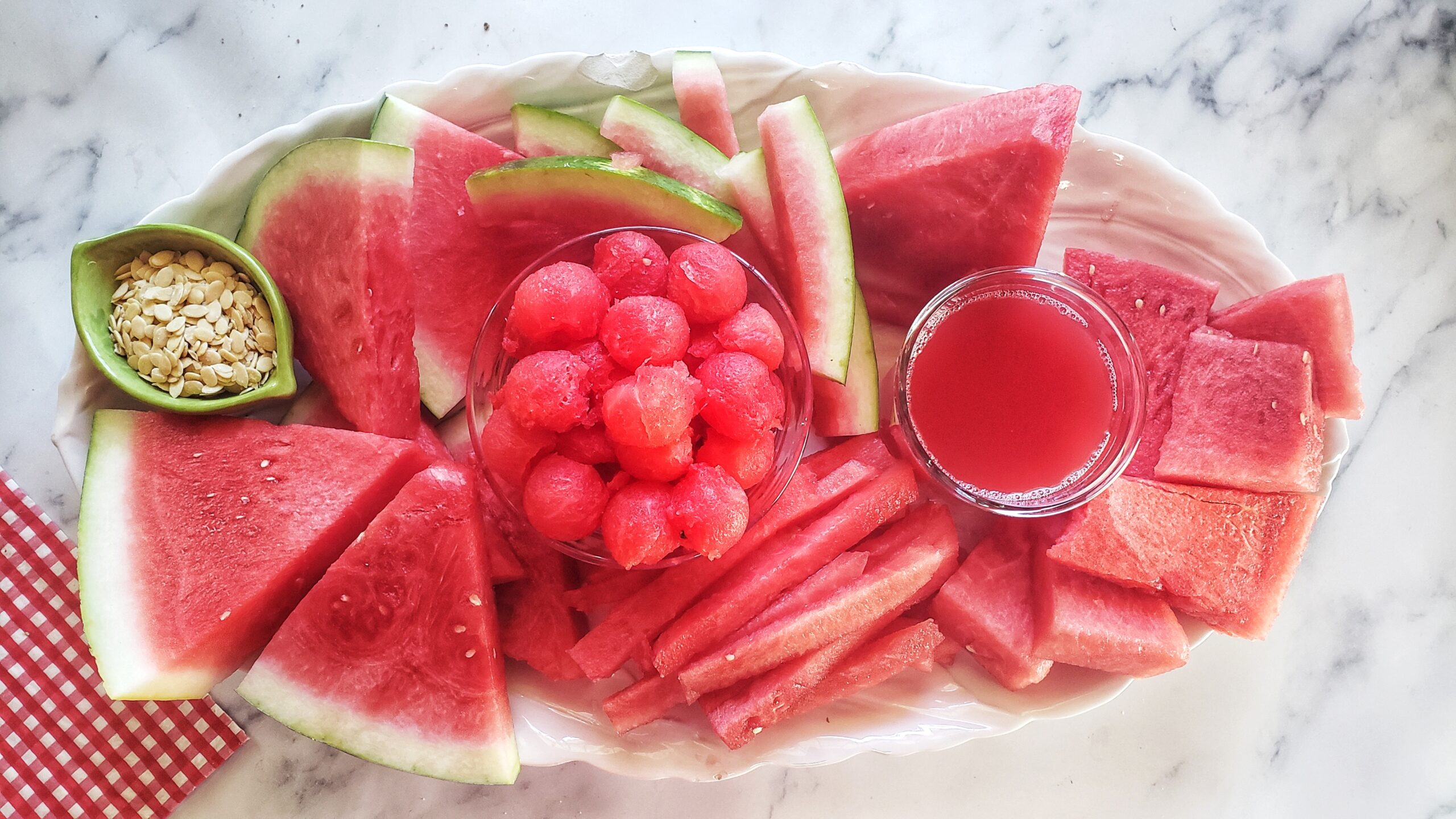
DYK you can eat the entire watermelon? Flesh, juice, seeds and rind! Get more inspo.

Real Research Shows Diet Quality Gains Eating Watermelon

A study published in Nutrients analyzing National Health and Nutrition Examination Survey (NHANES) data suggest that people who eat watermelon had higher overall diet quality and greater intake of beneficial nutrients like fiber, magnesium, potassium, and lycopene — and lower added sugars. (Watermelon Board)

Watermelon is American Heart Association Heart-Check Certified

  • Watermelon is cholesterol-free, fat free, sodium-free, and has 80  calories per serving, and it holds the American Heart Association’s Heart-Check Certification as a heart-friendly food choice. (Watermelon Board)

How to Incorporate More Watermelon into Your Life

  • Simple swaps: Reach for watermelon instead of sugary, processed snacks. For convenience, look for fresh cuts year-round at most grocery stores.
  • Hydrating snack: Freeze cubes of flesh for smoothies or use the juice to make healthy mocktails.
  • With protein: Watermelon pairs well with yogurt (dairy or plant-based), cottage cheese or seeds/nuts for balance
  • In your active routine: Add watermelon to a breakfast bowl, munch on as a post-ride or run snack and (always!) enjoy as a poolside refreshment.
  • Recipes & More: Search “Watermelon” here at TheFitFork.com or visit the impressive recipe collection at Watermelon.org.

Loving your heart doesn’t require complicated foods or fads — it starts with simple choices that add up. Watermelon is a delicious way to stay hydrated, help support heart health, and boost overall wellness. Plus, let’s not forget the joy – watermelon is a‘happy mood’ food and is often shared in social settings – both of which support wellness!

Note: This post is sponsored by the National Watermelon Promotion Board

Cinnamon Maple Air Fryer Apples: A Healthy Fall Dessert

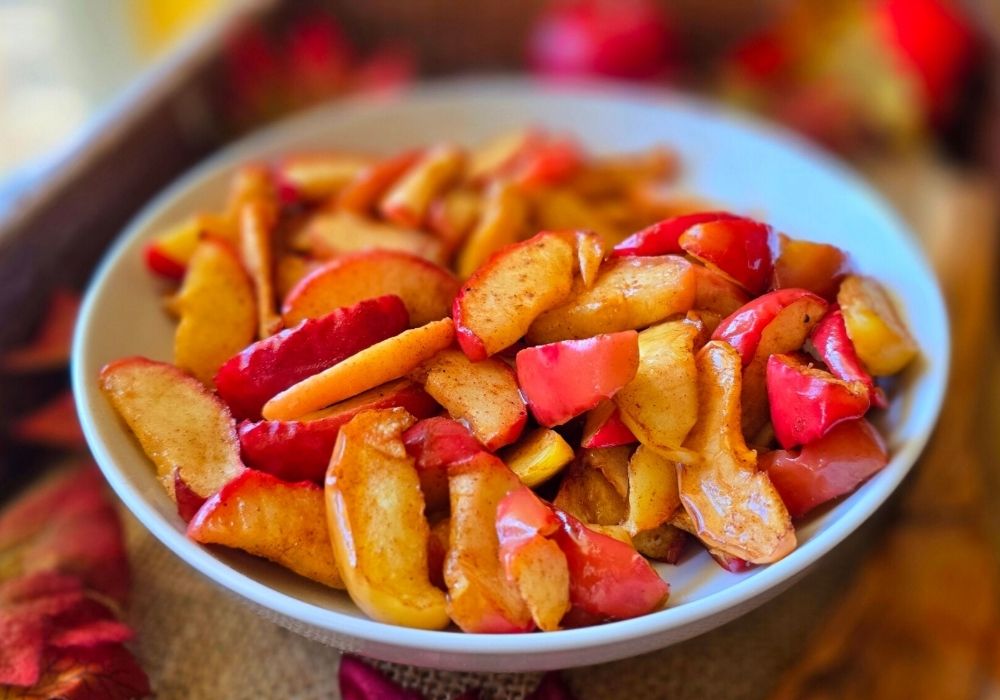
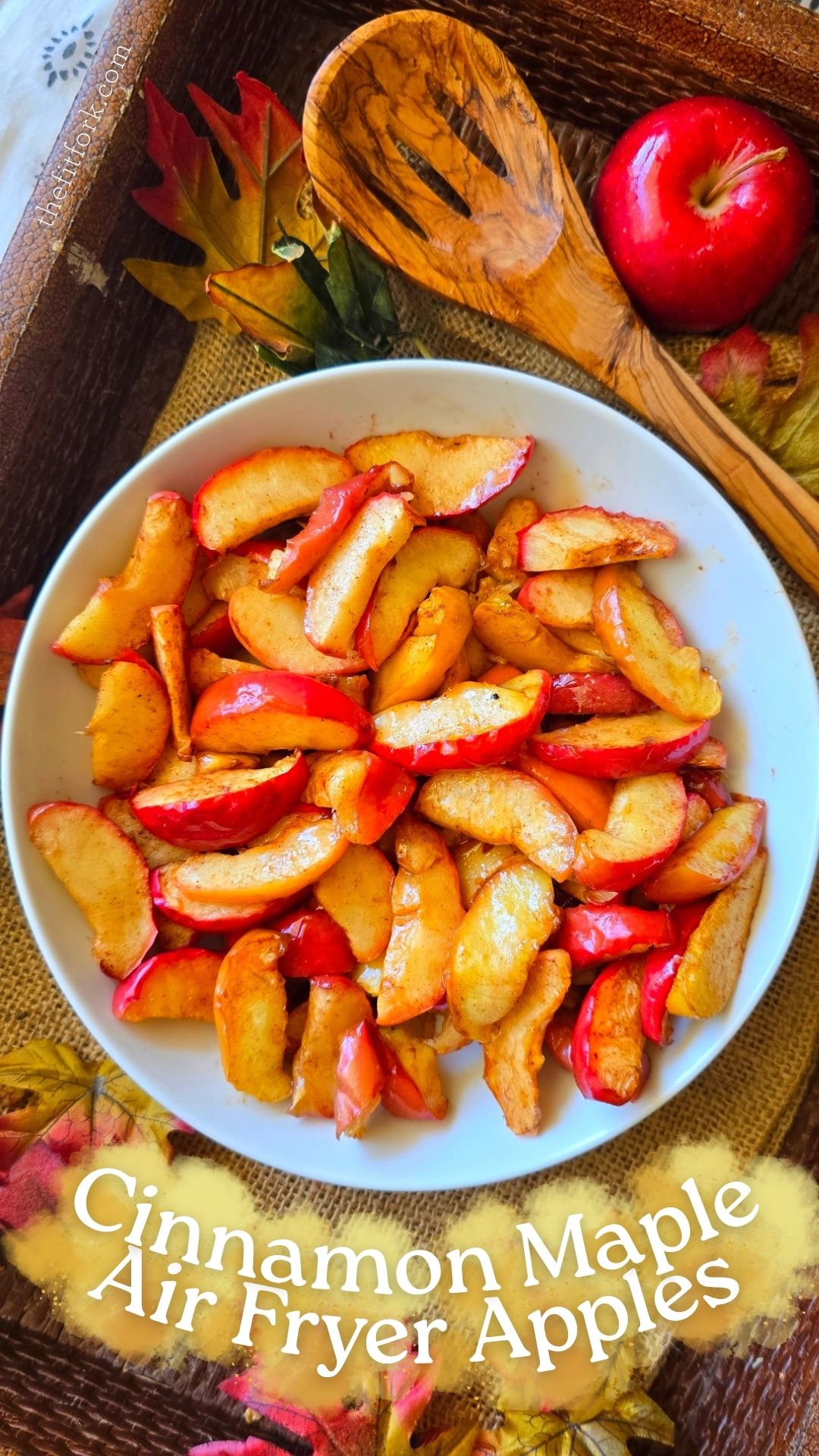
There’s something magical about the smell of warm cinnamon and maple wafting through the kitchen. These Cinnamon Maple Air Fryer Apples are everything you love about apple pie — sweet, cozy, comforting — but without the crust, butter, or refined sugar. It’s a lighter, faster, and more wholesome way to enjoy the flavors of fall.

Perfectly tender and caramelized, these apples make a versatile dish that can be enjoyed in so many ways. Eat them warm right out of the air fryer for a quick snack, or get creative — spoon them over vanilla ice cream for an easy dessert, wrap them up in a crepe, or pile them on top of your morning oats, pancakes, or waffles. They even taste amazing on a toasted bagel with cream cheese for a sweet breakfast twist.

Why You’ll Love This Recipe

  • Quick & easy: Ready in minutes with minimal ingredients.
  • Healthier dessert option: Naturally sweetened with maple syrup — no refined sugar needed.
  • Gluten-free & vegan-friendly: Simple, wholesome, and allergy-friendly.
  • Perfect fall flavor: Warm cinnamon spice meets sweet, caramel-like maple syrup.

Pro Tips for Perfect Air Fryer Apples

  • Batch size matters: If your air fryer is on the smaller side, cut the recipe in half or cook in two batches. Larger oven-style air fryers can handle about 2 pounds of apples at once.
  • Choose the right apples: Firm varieties like Honeycrisp, Pink Lady, or Braeburn hold up beautifully in the air fryer, keeping their texture while becoming soft and caramelized.
  • Don’t skip the oil: A touch of oil helps the apples from sticking and also keeps the edges from getting too crispy. Liquid coconut oil  is a great choice but light olive oil or canola work perfectly too.
  • Use real maple syrup: Pure maple syrup brings a rich, natural depth that’s hard to beat — though pancake syrup in a pinch or even sugar-free alternatives can work if you’re watching carbs.
  • Cinnamon choice: Opt for Ceylon cinnamon if you can find it — it’s softer, more complex, and lower in coumarin (a plant compound that creates potential liver toxicity in higher amount) —  making it a better choice for regular use.

Whether you’re craving a guilt-free treat, need a quick dessert for guests, or just want your kitchen to smell like fall, these air fryer apples will hit the spot every time.

Note: This post contains affiliate links. may earn a small commission from purchases made through links. Proceeds help offset operating expenses for The Fit Fork – thank you!

Cinnamon Maple Air Fryer Apples
Prep Time
5 mins
Cook Time
12 mins
Total Time
17 mins
 
Enjoy warm, cinnamon-dusted, maple syrup glazed air fryer apples — a healthy, gluten-free dessert that tastes like apple pie without the crust. Quick, easy, and made with no refined sugar!
Course: Breakfast, Dessert, Snack
Keyword: air fryer, apples
Servings: 6 servings
Ingredients
  • 2 lbs* small apples cored and sliced 1/3” thick
  • 1 tbsp oil of choice
  • 2 tsp cinnamon
  • 2 tbsp maple syrup
Instructions
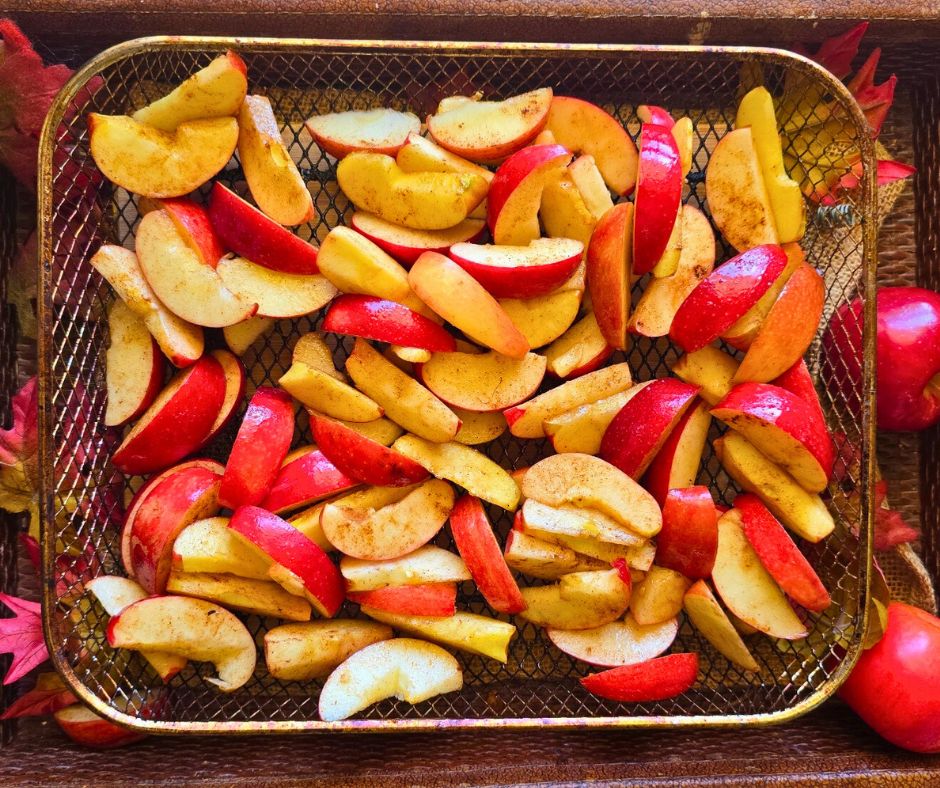
  1. Remove apple cores and slice into 1/3” inch slices. Toss apples in oil and cinnamon.
  2. Preheat air fryer to 375°F. Add apples to air fryer basket, spreading out in a single layer (there will be some edges that overlap, but just try not to overfill the tray and pile slices up on each other).
  3. Air fry for about 10-14 minutes or until soft and tender, stirring up apples halfway through for even cooking.
  4. Once apples are cooked, transfer to bowl and drizzle with syrup, stirring in to coat evenly. Serve immediately.
  5. A great addition to pancakes, waffles, oatmeal – or serve as a dessert with ice cream.
  6. Leftovers: Keep leftover cooked apples for up to 5 days in the refrigerator in an air tight container (reheat in microwave).