
Healthy Oatmeal Recipes: Why Oats Are the Ultimate Athlete Pantry Hero

Some ingredients earn superstar status. Others quietly do the heavy lifting. For me, oats fall squarely into that second category and have earned a permanent shelf space in my healthy athlete kitchen. They’re not flashy. They’re not trendy. They won’t usually dominate social media food trends. But as an athlete in my late 50s balancing training, recovery, recipe development, and everyday life, oats have become one of the hardest-working foods in my kitchen. They are affordable, flexible, nutritious, easy to store – that’s MVP status to me!

Oats are Whole Grain Multi-taskers: Fuel + Nutrition
As someone who lifts weights, runs and is active on the daily, I appreciate foods that work harder. That’s helpful whether you’re fueling athletic goals, managing hunger, or simply trying to avoid wandering into the pantry 45 minutes after breakfast. Along with fiber, this humble pantry stable also is a good source of manganese, magnesium, iron and B vitamins. And . . .

Complex Carbohydrates for Sustained Energy: Unlike sugary breakfast foods that can lead to energy crashes, oats provide slower-digesting carbohydrates that help support more steady energy. That MATTERS – especially if you’re heading out for a long walk, strength training, recovering after workouts, or even just trying to avoid that mid-afternoon energy slump (your brain needs sustained energy too)!

Fiber That Keeps You Fuller Longer + Other Nutrients: Oats naturally contain soluble fiber, including beta glucan, which can help support fullness and overall heart health. Every day translation? That just means oats are satiating, satisfying, make you feel full!

 Why Oats Work So Well For Healthy Aging Athletes

As we get older, nutrition becomes increasingly important. Protein and protein timing matters a lot. Strength training matters. But carbohydrates still matter too – they seem to be wrongly villainized these days. Of course, binging out on processed sugary carbs isn’t a great thing, but mindful Carbohydrates (like OATS, a whole grain!)  that support activity levels and pair well with protein-rich foods. To create meals that are more satisfying and better balanced, I often combine oats with:

  • Cottage cheese
  • Protein powder
  • Greek yogurt
  • Eggs
  • Nut butter

My Favorite Recipe That Use Oats

The beauty of oats is flexibility. Oats move way beyond a bowl of soggy oatmeal (which I actually find comforting). Here are some recipes I use to incorporate oats into my healthy, active lifestyle:

Pumpkin Scrambled Oats: Take your oatmeal in a savory-sweet direction with these creamy pumpkin scrambled oats. Packed with fiber, protein, and cozy fall flavors, this hearty 10-minute breakfast is a satisfying way to start the day.
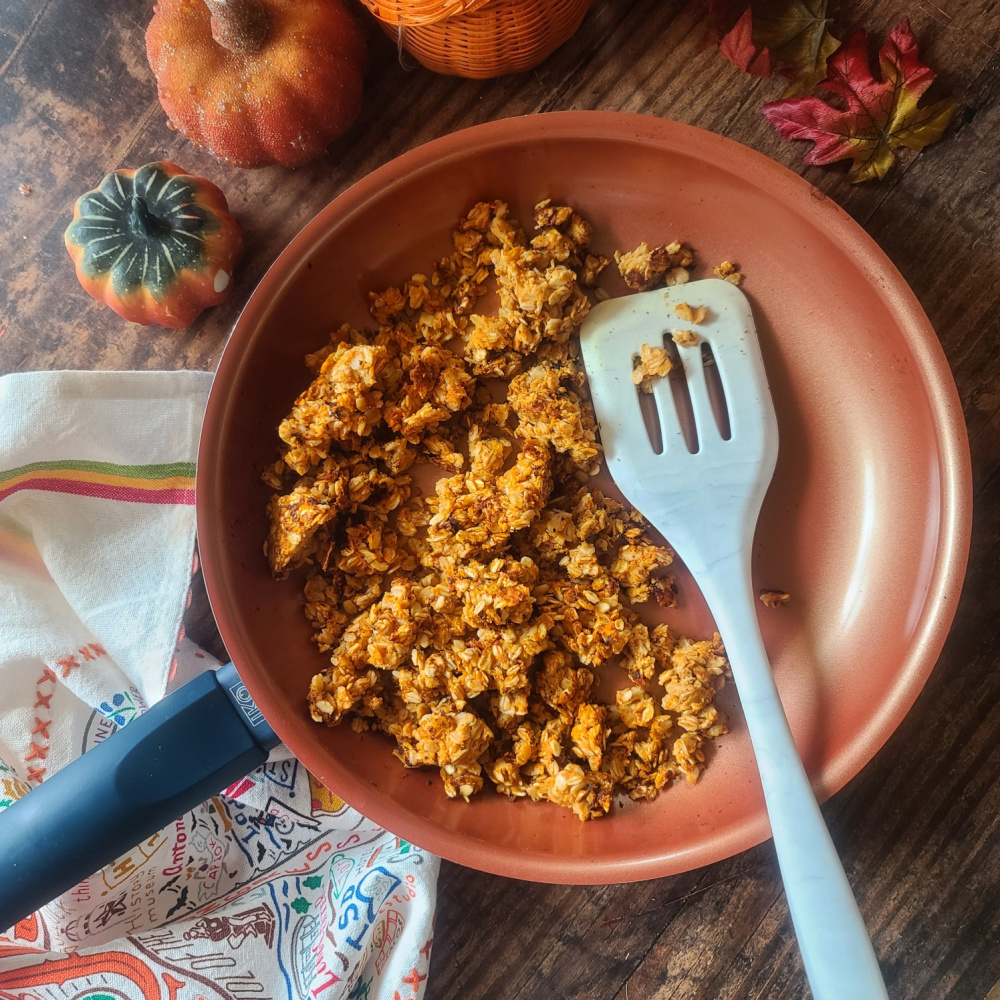
Pumpkin Scrambled Oats are a comforting and nutritious way to jumpstart fall mornings. A quick breakfast, only 10 minutes max to make in a skillet -- simple, wholesome ingredients and 22g protein so you don't get hungry later!

Garlicky Cauliflower Zoats (Zucchini + Oats): Not all oats have to be sweet! This savory bowl combines oats with zucchini and cauliflower for a veggie-packed breakfast that’s rich in fiber, filling, and surprisingly delicious with garlic and seasonings.
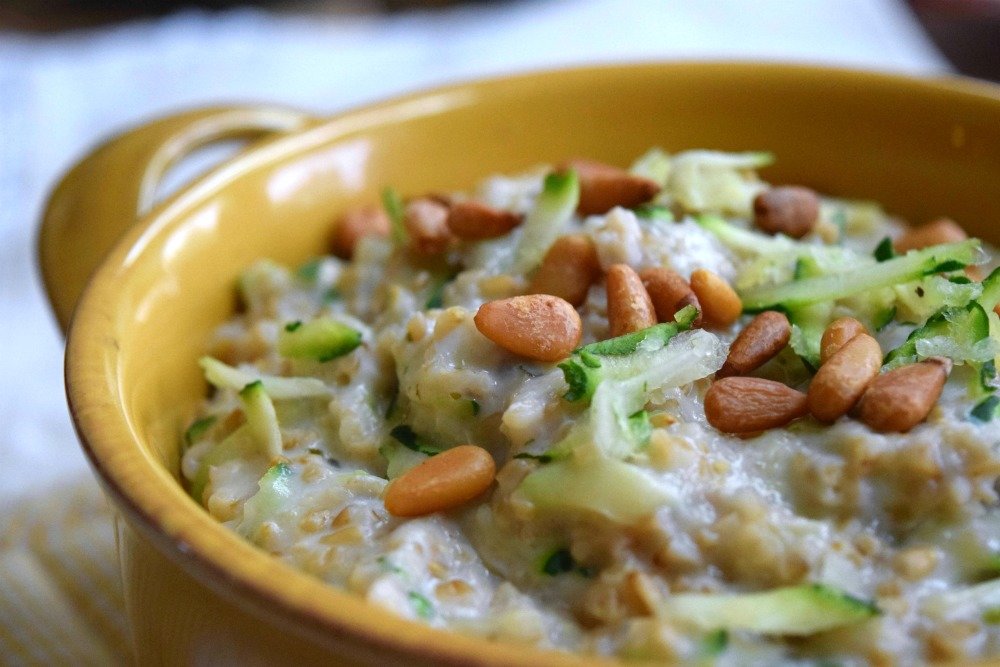
Garlicky Zucchini Oats (Zoats)

Blueberry Baked Steel-Cut Oats with Protein: Perfect for meal prep, this baked oatmeal combines chewy steel-cut oats, juicy blueberries, and added protein for a make-ahead breakfast that keeps you fueled all morning long.
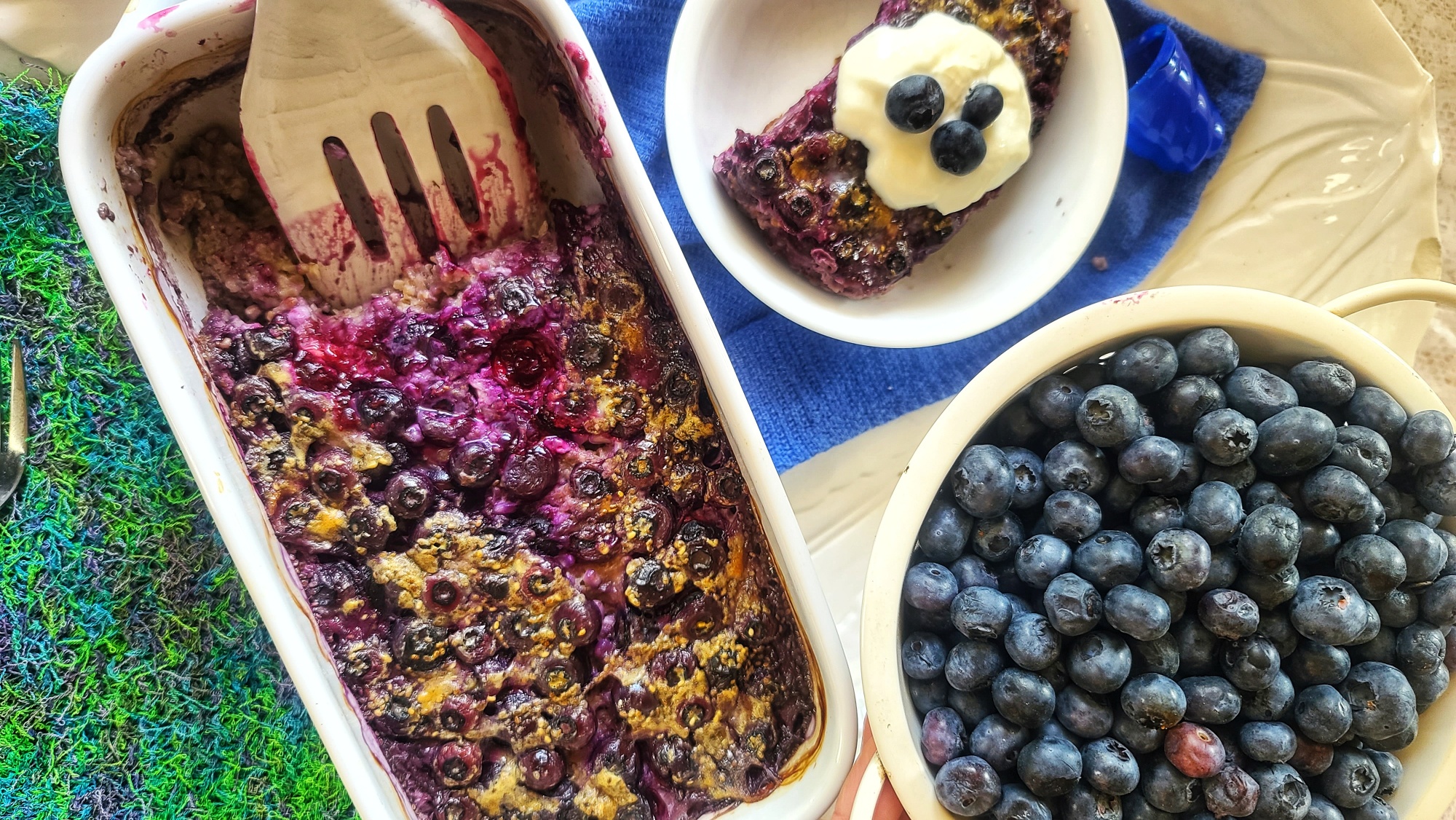
Blueberry Steel Cut Oat Bake with protein is sweet, simple, make-ahead goodness. 290 cal per serving, 21 g protein, healthy whole grain carbs. Perfect fuel runs and workouts.

Toasted Quinoa Oat Pecan Apricot Bites with Collagen: These no-fuss snack bites blend oats, toasted quinoa, pecans, dried apricots, and collagen for a wholesome grab-and-go treat packed with texture, flavor, and staying power.
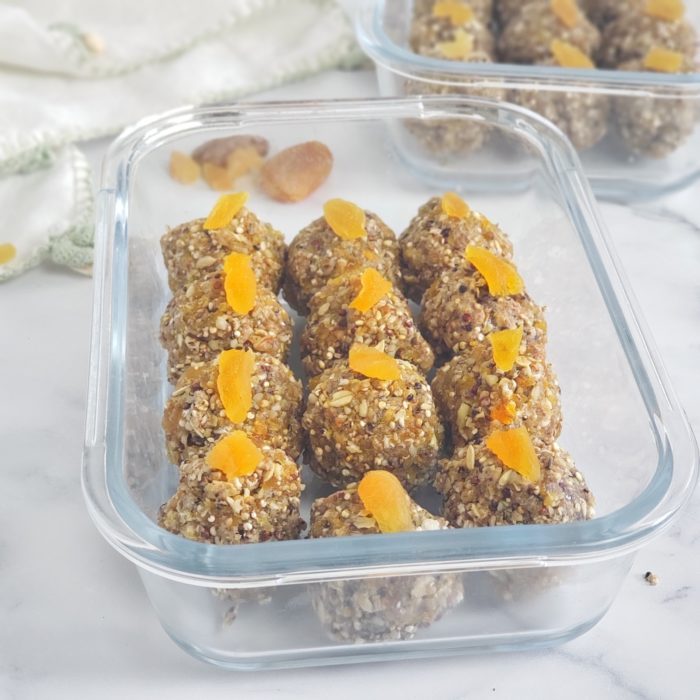
Nourishing and delicious, these little wholesome balls of goodness feature toasted quinoa, oats and pecans -- along with apricots, maple syrup and collagen for a protein boost! A great breakfast on the go, anytime snack or for after workouts instead of a protein bar!

Vegetarian Mini BBQ Meat Loaf Muffins: Oats step in as a nutritious binder in these vegetarian mini “meatloaf” muffins. They’re packed with plant-based goodness, brushed with tangy BBQ sauce, and perfect for meal prep or healthy lunches.
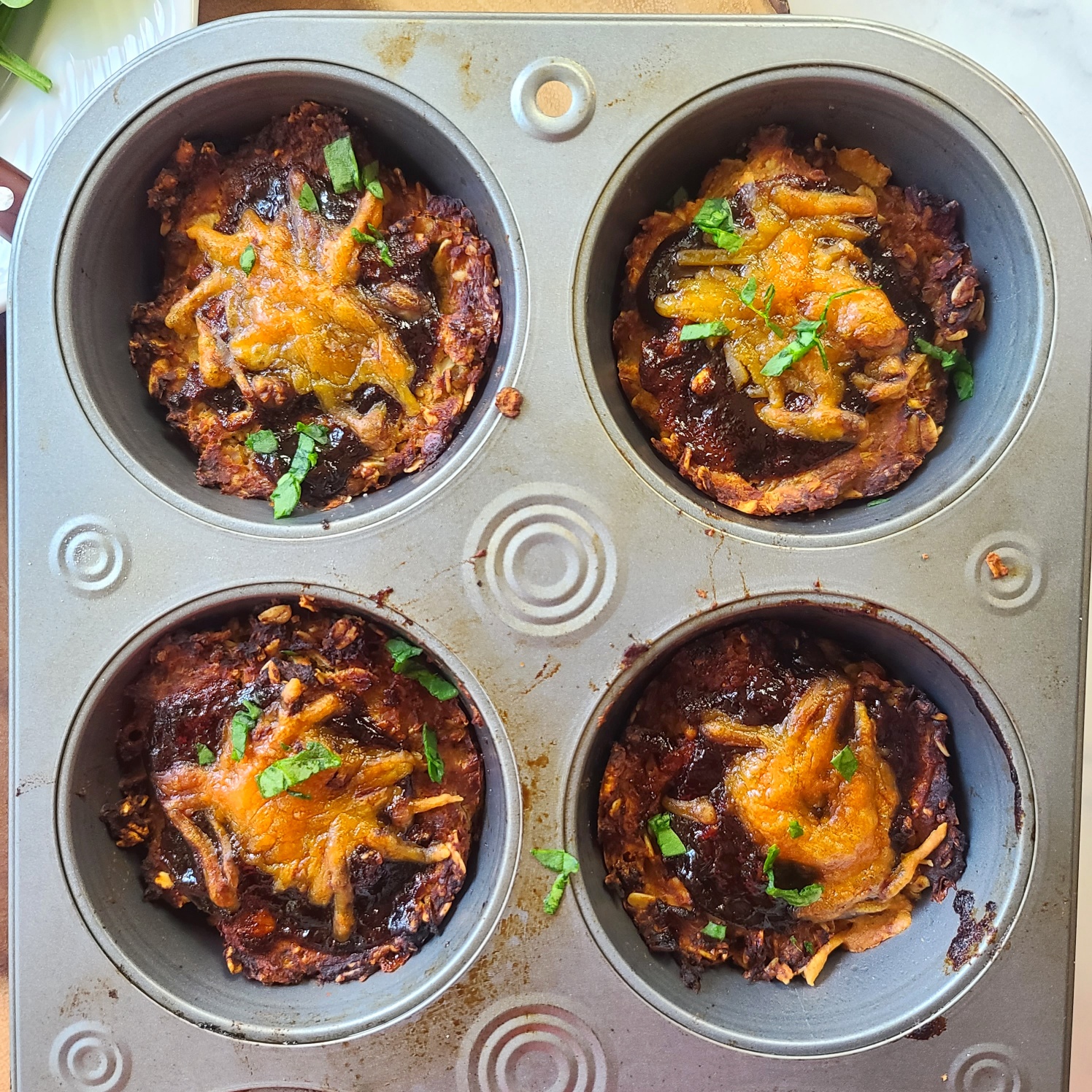
Not your grandma's meatloaf but just as delicious make with lentils and oats! The spicy BBQ sauce gives this satisfying vegetarian meal some zing! So delicious, easy and suitable for meal prep. 398 calories and 21g per serving of two.

Cinnamon Protein Waffles: Made with oat flour and protein powder, these fluffy cinnamon waffles deliver a satisfying balance of protein and fiber. They’re a delicious way to enjoy the benefits of oats while keeping breakfast
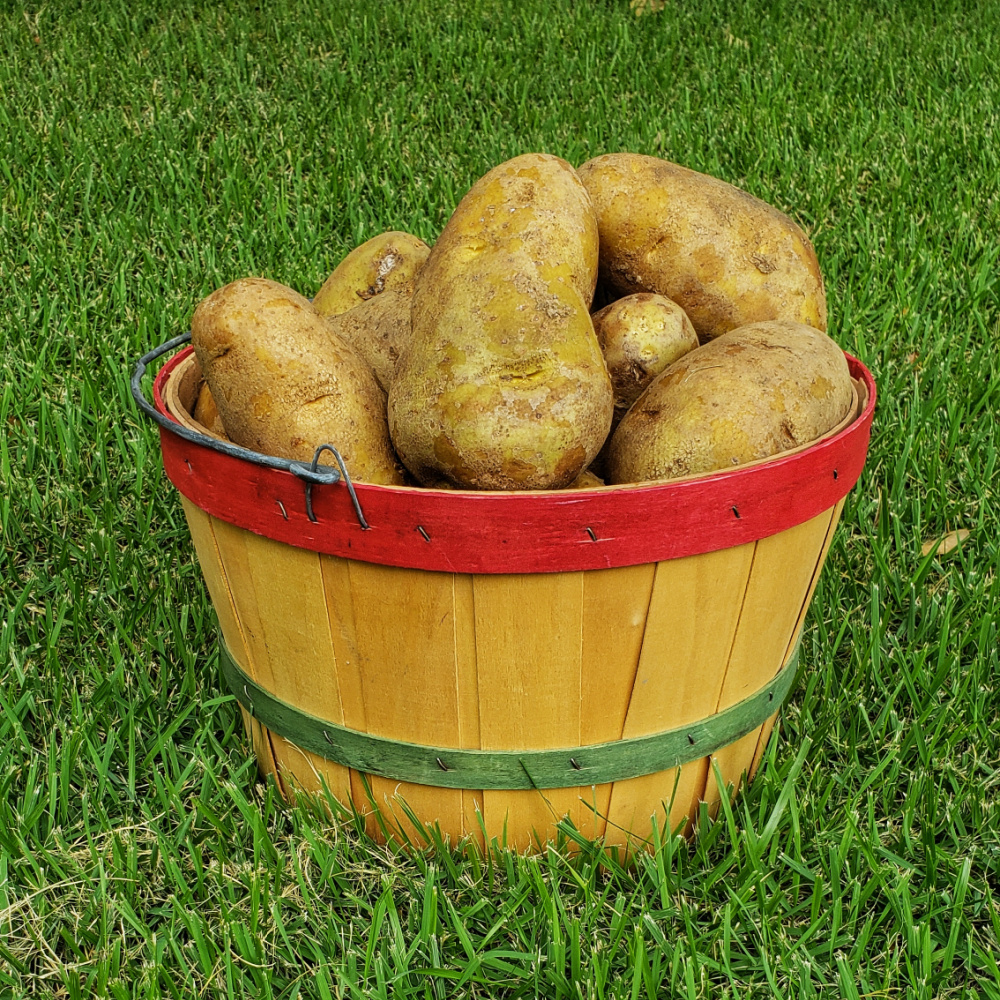
Easy Potato Hack To Lower Glycemic Index (Cook, Chill, Reheat Method for Guilt-Free Carbs)

russet potatoes aka idaho potatos

Potatoes sometimes get unfairly dragged into the “bad carb” conversation, but for active people, athletes, and anyone who trains regularly, they can actually be one of the best whole-food fuel sources around. They’re affordable, versatile, naturally gluten-free, and packed with nutrients that support performance and recovery. Even better, there’s a simple kitchen trick that can make potatoes more blood-sugar friendly and more filling without sacrificing flavor.

The Simple Potato Trick

To lower the glycemic impact of potatoes and increase satiety, try this easy three-step process:

  1. Cook the potatoes (boil, bake, roast, steam — any method works)
  2. Chill them in the refrigerator for 12–24 hours
  3. Reheat and enjoy

When cooked potatoes cool, some of their starch changes into something called resistant starch. Resistant starch behaves more like dietary fiber in the body. It isn’t digested as quickly in the small intestine, which means:

  • Slower glucose release
  • Less dramatic blood sugar spikes
  • Longer-lasting fullness

Research suggests that this cooling process can reduce the glycemic impact of potatoes by roughly 25–40%. Translation: better sustained energy and fewer spikes and crashes.

Even better — reheating the potatoes doesn’t destroy the resistant starch, so you can still enjoy them warm in many of your favorite dishes.

Why Potatoes Are Great Fuel for an Active Lifestyle

Potatoes are a healthy source of energy-providing carbs for the athlete.

For athletes, runners, and anyone who trains regularly, potatoes check a lot of nutritional boxes.

1. High-quality carbohydrates for energy
Carbohydrates are your body’s preferred fuel for exercise, especially endurance training and high-intensity workouts. Potatoes provide easily accessible carbs that help replenish glycogen stores after training.

2. Potassium powerhouse
One potato contains more potassium than a banana, ounce for ounce. Potassium plays a key role in muscle contraction, hydration, and nerve function, all essential for active people.

3. Naturally fat-free and whole-food based
Potatoes are a simple, minimally processed carbohydrate source that pairs well with protein and healthy fats to create balanced meals.

4. Surprisingly filling
Potatoes rank very high on the satiety index, meaning they help keep you satisfied longer compared to many other carb sources. The resistant starch trick can boost that effect even more.

This Potato Hack Works with Variety

The cooling method works with all varieties of potatoes. So whether you’re meal prepping roasted potatoes, boiling them for potato salad, or baking a batch for the week, the cook → chill → reheat method still works.

  • Russet
  • Yukon Gold
  • Red potatoes
  • Baby potatoes
  • Purple potatoes
  • Sweet potatoes (which also contain resistant starch when cooled)

How to Use Chilled Potatoes in Everyday Cooking

Once your potatoes have been chilled for 12–24 hours, you can use them in almost any recipe that calls for a softer cooked potato. Here are a few easy ideas:

Mashed potatoes
Bake or boil potatoes, chill overnight, then reheat and mash with your favorite add-ins.

Baked potatoes
Bake ahead, refrigerate, then reheat the next day for a quick meal prep side.

Roasted potatoes
Cook and chill whole potatoes, then cube and roast the next day for crispy edges.

Soups and stews
This is one of my favorite tricks. I often make my entire pot of soup with the potatoes boiled in, then chill overnight before eating. It still delivers the resistant starch benefits even though cooked alongside the other ingredients.

Notes About Raw Potato Storage

One important tip: don’t refrigerate raw potatoes before cooking them. The FDA and potato industry guidelines recommend storing raw potatoes in a cool, dark, well-ventilated place rather than the refrigerator.

The reasoning for not chilling raw potatoes is that when they are stored in cold temperatures, some of their starch converts to sugar. When those potatoes are later cooked at high temperatures, the extra sugar can contribute to the formation of acrylamide, a compound that researchers monito because it may pose carcinogenic health risks in very high amounts.

But, refrigerating potatoes after they’ve been cooked, however, is perfectly safe and is exactly what creates the resistant starch benefit. 

Here are a few recipe ideas that start with chilled potatoes: