Easy Potato Hack To Lower Glycemic Index (Cook, Chill, Reheat Method for Guilt-Free Carbs)

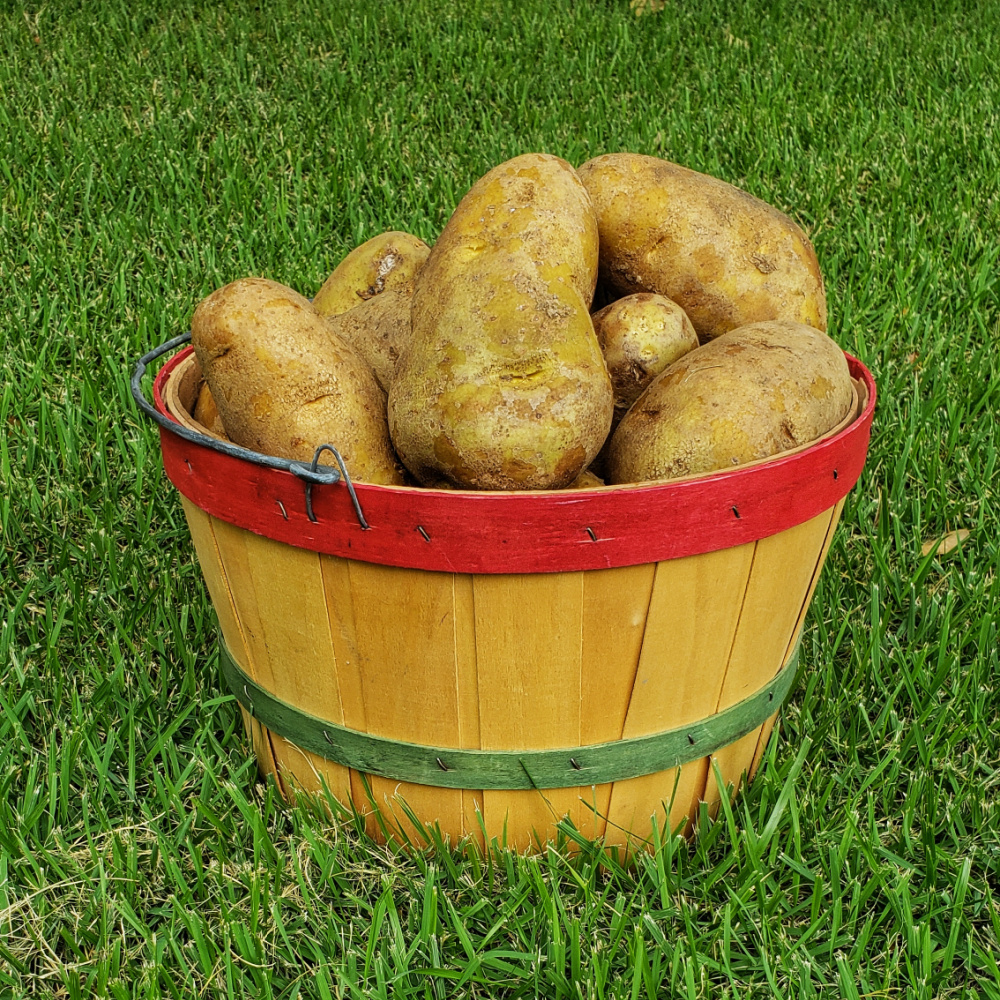
russet potatoes aka idaho potatos

Potatoes sometimes get unfairly dragged into the “bad carb” conversation, but for active people, athletes, and anyone who trains regularly, they can actually be one of the best whole-food fuel sources around. They’re affordable, versatile, naturally gluten-free, and packed with nutrients that support performance and recovery. Even better, there’s a simple kitchen trick that can make potatoes more blood-sugar friendly and more filling without sacrificing flavor.

The Simple Potato Trick

To lower the glycemic impact of potatoes and increase satiety, try this easy three-step process:

  1. Cook the potatoes (boil, bake, roast, steam — any method works)
  2. Chill them in the refrigerator for 12–24 hours
  3. Reheat and enjoy

When cooked potatoes cool, some of their starch changes into something called resistant starch. Resistant starch behaves more like dietary fiber in the body. It isn’t digested as quickly in the small intestine, which means:

  • Slower glucose release
  • Less dramatic blood sugar spikes
  • Longer-lasting fullness

Research suggests that this cooling process can reduce the glycemic impact of potatoes by roughly 25–40%. Translation: better sustained energy and fewer spikes and crashes.

Even better — reheating the potatoes doesn’t destroy the resistant starch, so you can still enjoy them warm in many of your favorite dishes.

Why Potatoes Are Great Fuel for an Active Lifestyle

Potatoes are a healthy source of energy-providing carbs for the athlete.

For athletes, runners, and anyone who trains regularly, potatoes check a lot of nutritional boxes.

1. High-quality carbohydrates for energy
Carbohydrates are your body’s preferred fuel for exercise, especially endurance training and high-intensity workouts. Potatoes provide easily accessible carbs that help replenish glycogen stores after training.

2. Potassium powerhouse
One potato contains more potassium than a banana, ounce for ounce. Potassium plays a key role in muscle contraction, hydration, and nerve function, all essential for active people.

3. Naturally fat-free and whole-food based
Potatoes are a simple, minimally processed carbohydrate source that pairs well with protein and healthy fats to create balanced meals.

4. Surprisingly filling
Potatoes rank very high on the satiety index, meaning they help keep you satisfied longer compared to many other carb sources. The resistant starch trick can boost that effect even more.

This Potato Hack Works with Variety

The cooling method works with all varieties of potatoes. So whether you’re meal prepping roasted potatoes, boiling them for potato salad, or baking a batch for the week, the cook → chill → reheat method still works.

  • Russet
  • Yukon Gold
  • Red potatoes
  • Baby potatoes
  • Purple potatoes
  • Sweet potatoes (which also contain resistant starch when cooled)

How to Use Chilled Potatoes in Everyday Cooking

Once your potatoes have been chilled for 12–24 hours, you can use them in almost any recipe that calls for a softer cooked potato. Here are a few easy ideas:

Mashed potatoes
Bake or boil potatoes, chill overnight, then reheat and mash with your favorite add-ins.

Baked potatoes
Bake ahead, refrigerate, then reheat the next day for a quick meal prep side.

Roasted potatoes
Cook and chill whole potatoes, then cube and roast the next day for crispy edges.

Soups and stews
This is one of my favorite tricks. I often make my entire pot of soup with the potatoes boiled in, then chill overnight before eating. It still delivers the resistant starch benefits even though cooked alongside the other ingredients.

Notes About Raw Potato Storage

One important tip: don’t refrigerate raw potatoes before cooking them. The FDA and potato industry guidelines recommend storing raw potatoes in a cool, dark, well-ventilated place rather than the refrigerator.

The reasoning for not chilling raw potatoes is that when they are stored in cold temperatures, some of their starch converts to sugar. When those potatoes are later cooked at high temperatures, the extra sugar can contribute to the formation of acrylamide, a compound that researchers monito because it may pose carcinogenic health risks in very high amounts.

But, refrigerating potatoes after they’ve been cooked, however, is perfectly safe and is exactly what creates the resistant starch benefit. 
Here are a few recipe ideas that start with chilled potatoes:

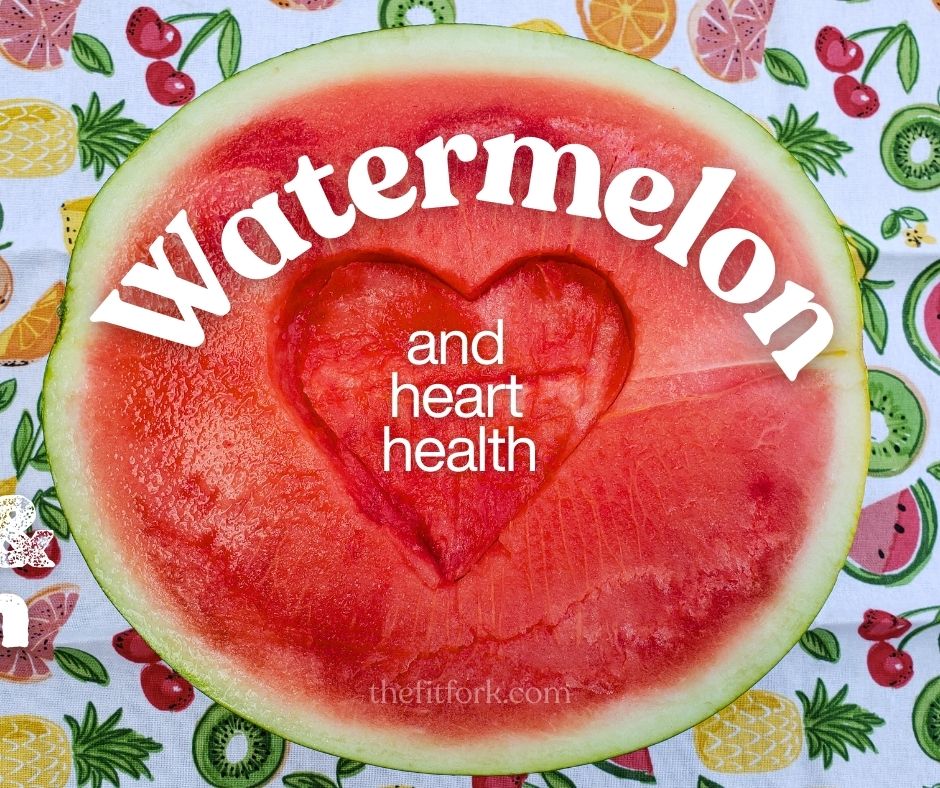
Love Your Heart with Watermelon: A Sweet Way to Support Heart Health in February (and Beyond)

Chocolate Espresso Protein Oats made in the air fryer with whole grain oats and protein powder. A gluten free, flourless, no added sugar breakfast with 23g protein—ready in under 15 minutes.

February is American Heart Month — a time to focus on cardiovascular wellness and the habits that support a strong, active life. One simple, delicious way to love your heart? Watermelon. From hydration to heart-friendly phytonutrients, this juicy fruit brings benefits you’ll want all year long.

Watermelon: Hydration That Works for Your Heart

  • Watermelon is ~92% water, making it a natural hydrator — perfect for active people who sweat, train, and need to stay balanced. Adequate hydration supports vital body processes such as delivering nutrients and oxygen to cells, flushing out waste products, and lubricating joints.  (Watermelon Board)
  • Watermelon also has nutrients that support heart health, like magnesium (6% DV), which helps keep the heartbeat steady and phosphorus (2% DV), which has a role in the electrical activity of the heart.)  (Watermelon Board)
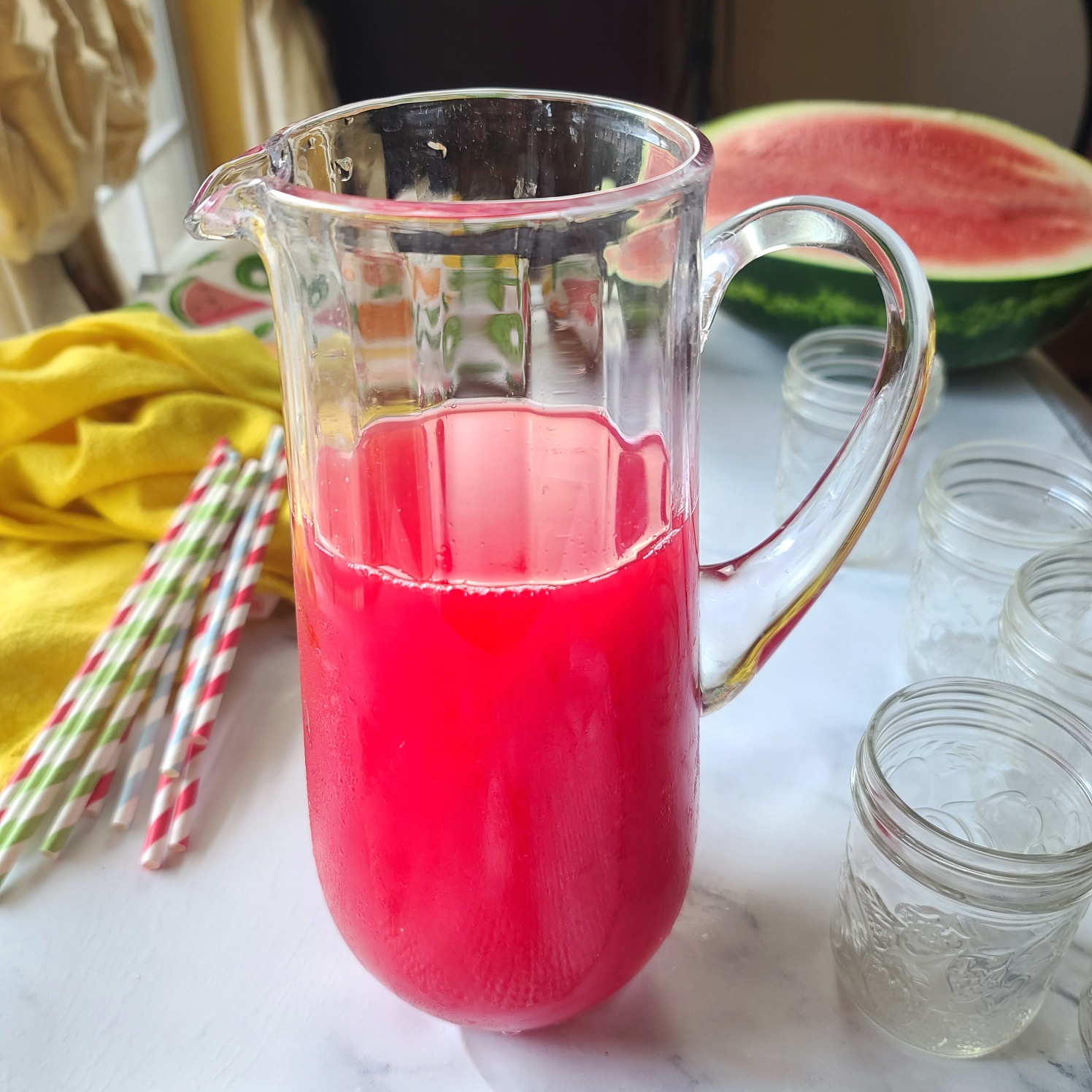
watermelon juice is a hydrating, sweet, natural beverage that is easy and economical to make at home.
Learn how to make, store and serve watermelon juice, it’s a convenient way to get the benefits of watermelon on the go.

Lycopene Leader: An Antioxidant-Rich Nutrient

  • Lycopene is a powerful plant carotenoid. A true lycopene leader, watermelon contains 12.7 mg per 2-cup serving – more than any other fresh fruit or vegetable commonly eaten in the United States.Some research links lycopene intake with support for blood pressure, cholesterol, and overall cardio-metabolic health.Further research is needed with a larger sample size and longer duration in order to fully determine the clinical implications. (Watermelon Board)  

L-Citrulline, Blood Flow & Watermelon

  • Exciting new areas of study suggest that an amino acid called L-citrulline (286- 1266 mg per 2 cup serving) in watermelon may help to support vascular health and help maintain healthy blood flow. Larger and longer term studies are needed to demonstrate this effect in other populations(Watermelon Board)
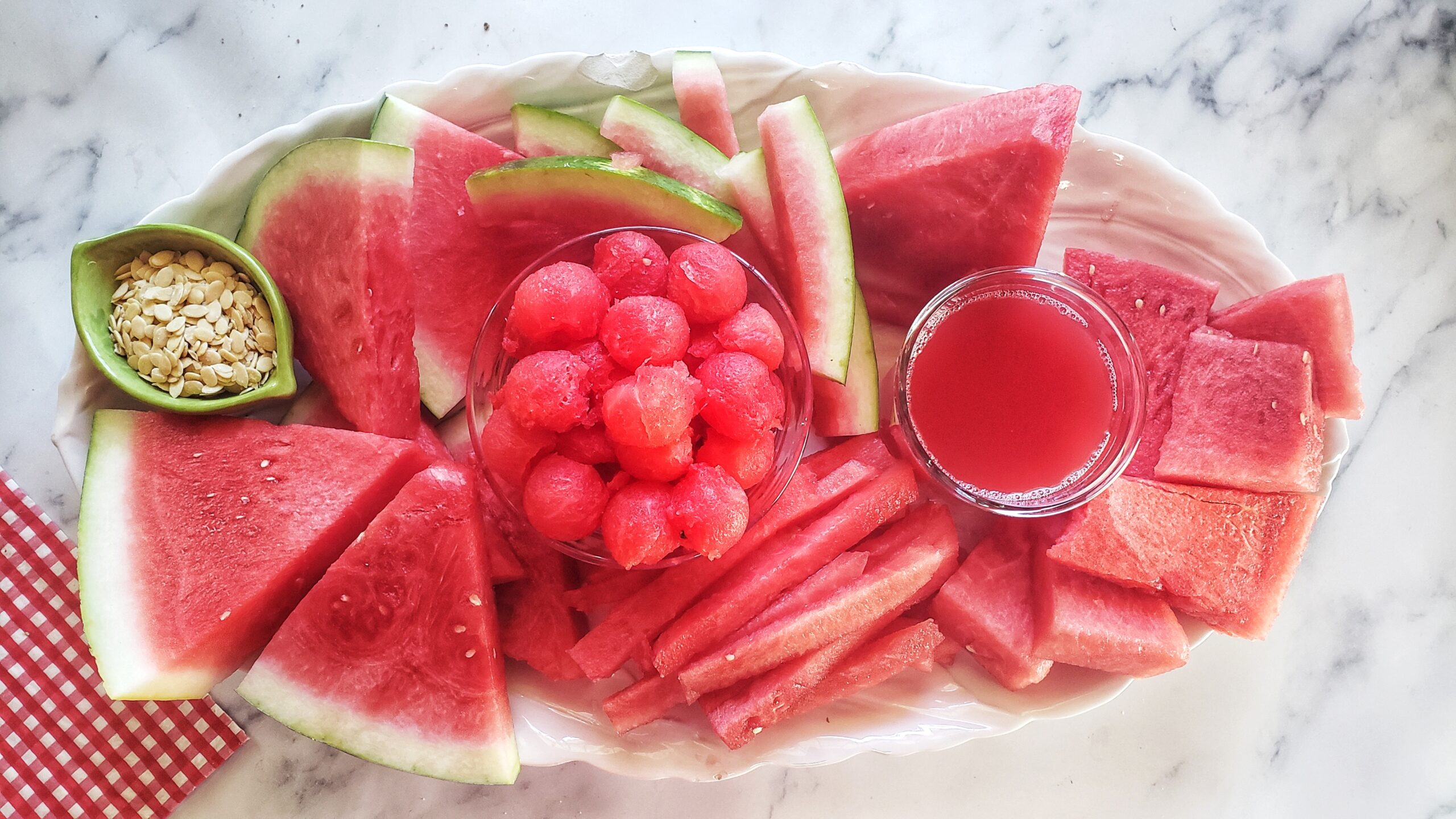
DYK you can eat the entire watermelon? Flesh, juice, seeds and rind! Get more inspo.

Real Research Shows Diet Quality Gains Eating Watermelon

A study published in Nutrients analyzing National Health and Nutrition Examination Survey (NHANES) data suggest that people who eat watermelon had higher overall diet quality and greater intake of beneficial nutrients like fiber, magnesium, potassium, and lycopene — and lower added sugars. (Watermelon Board)

Watermelon is American Heart Association Heart-Check Certified

  • Watermelon is cholesterol-free, fat free, sodium-free, and has 80  calories per serving, and it holds the American Heart Association’s Heart-Check Certification as a heart-friendly food choice. (Watermelon Board)

How to Incorporate More Watermelon into Your Life

  • Simple swaps: Reach for watermelon instead of sugary, processed snacks. For convenience, look for fresh cuts year-round at most grocery stores.
  • Hydrating snack: Freeze cubes of flesh for smoothies or use the juice to make healthy mocktails.
  • With protein: Watermelon pairs well with yogurt (dairy or plant-based), cottage cheese or seeds/nuts for balance
  • In your active routine: Add watermelon to a breakfast bowl, munch on as a post-ride or run snack and (always!) enjoy as a poolside refreshment.
  • Recipes & More: Search “Watermelon” here at TheFitFork.com or visit the impressive recipe collection at Watermelon.org.

Loving your heart doesn’t require complicated foods or fads — it starts with simple choices that add up. Watermelon is a delicious way to stay hydrated, help support heart health, and boost overall wellness. Plus, let’s not forget the joy – watermelon is a‘happy mood’ food and is often shared in social settings – both of which support wellness!

Note: This post is sponsored by the National Watermelon Promotion Board

Freezing and Toasting Bread to Lower the Glycemic Impact (and Keep It Fresher Longer)

What Is the Glycemic Index and Why Should You Care?

Practical kitchen hacks that make healthy eating easier—and smarter. If you love bread but worry about how the carbs (source of glucose) affects your blood sugar, here’s a surprising and simple tip: freeze it—and then toast it. Not only does this extend your bread’s shelf life, but it may also reduce its glycemic index (GI), offering benefits for energy, appetite, and long-term health. (first study)

The glycemic index ranks carbohydrates based on how quickly they raise blood sugar after eating. Foods with a high GI (like white bread) cause a quick spike, followed by a crash—leaving you hungry and low on energy. Foods with a lower GI cause a slower, steadier release of glucose, which supports stable energy, better focus, and fewer cravings.

Freezing Bread Lowers the Glycemic Index

Yes, really! Studies have shown that freezing bread, then toasting or reheating it, changes the structure of the starches. Here’s how it works:

  • Freezing transforms some of the digestible starches into “resistant starch*,” which resists digestion in the small intestine.
  • This slows the absorption of sugar into the bloodstream, reducing the glycemic impact.
  • Toasting after freezing enhances this effect even more.

For example, white bread that’s been frozen and toasted may have a GI that’s 30–40% lower than its fresh counterpart! The research I’ve read says about 30% reductions in glycemic load after freezing and then an ADDITIONAL 10-15% if toasted.

*Resistant starches not only lessen glycemic load, they promote good gut bacteria and also help you feel full longer.

How to Do Freeze Bread for the Best Result

  1. Slice first: If you bought fresh bakery bread, slice it before freezing so you can pull out one piece at a time.
  2. Store it airtight: Use a freezer-safe bag and remove as much air as possible to prevent freezer burn.
  3. Toast from frozen: No need to thaw—just pop it straight into the toaster or toaster oven.

Other Benefits of Freezing Bread

  • Reduces food waste: Bread stays fresh for up to 3 months in the freezer.
  • Saves time: Batch prep sandwiches or breakfast toast ahead of time.
  • Prevents overeating: It’s easier to practice portion control when you defrost just what you need.
  • Keeps variety on hand: Stock different types (whole grain, sourdough, sprouted, etc.) without worrying about spoilage.

Pro Tip: Choose the Right Bread

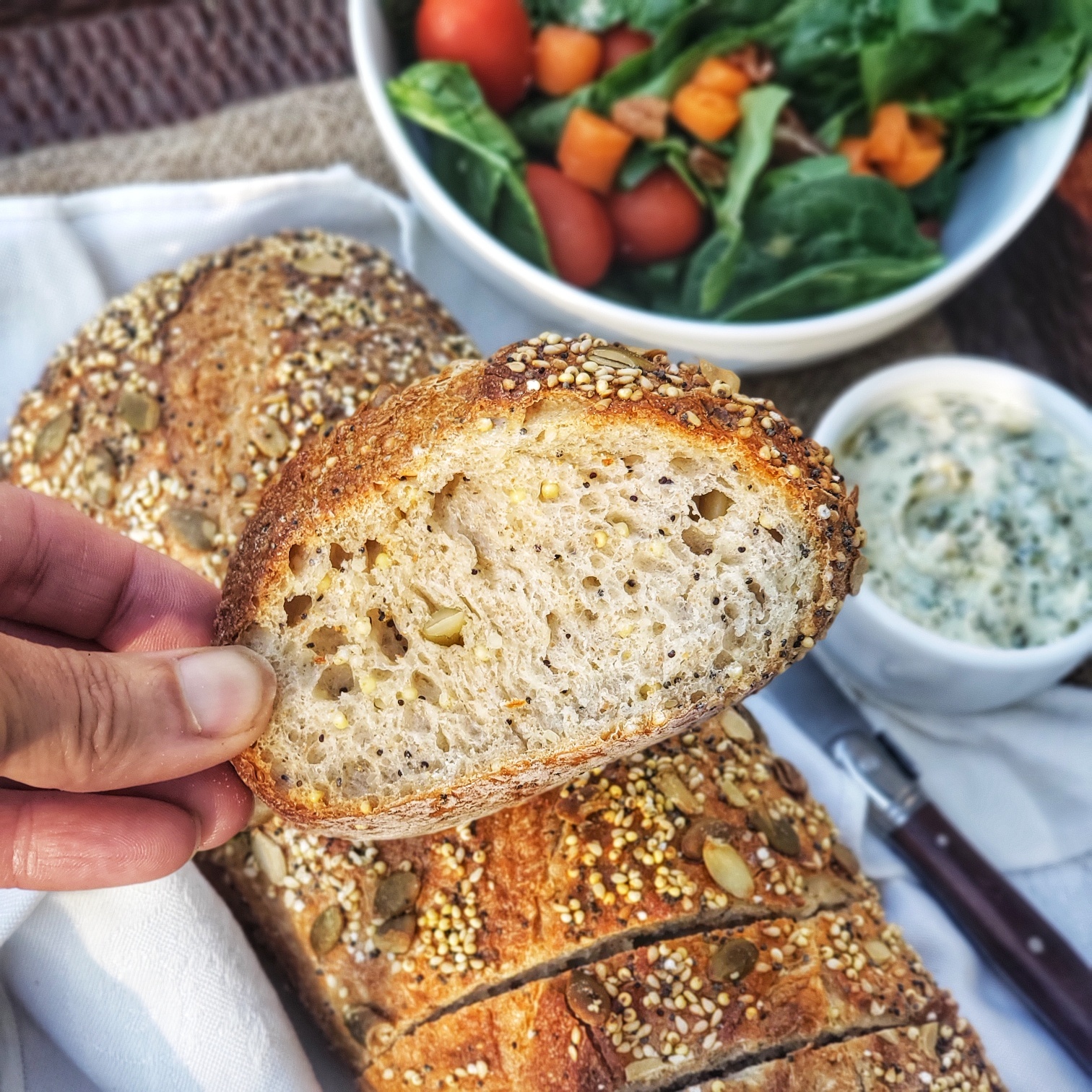
While freezing and toasting helps with any type of bread, start with the best foundation. Look for breads that are whole grain or sprouted grain, high in fiber lower in added sugars, free from artificial preservatives or fillers. Bonus points for breads made with seeds, nuts, or legumes—they offer additional nutrients and even more fiber. This is my personal favorite bread HERE — but you do you!

Artisan bread from the Wildgrain subscription box, save $30 with code THEFITFORK at http://bit.ly/Wildgrain

Favorite Ways to Eat Frozen-Then-Toasted Bread

  • Smashed avocado with a poached egg
  • Nut butter and banana slices
  • Cottage cheese, berries, and a sprinkle of cinnamon
  • Turkey and spinach for a protein-packed snack

How I’m Staying Lean & Strong in My 50s: The Body Pod by Hume Health

Let’s talk about one of the biggest challenges we face in our 40s, 50s and beyond—staying lean, strong, and energized through life changes like menopause, injuries, and evolving fitness goals. As a long-time athlete, I’m no stranger to pushing my limits, but these days I’m smarter about how I train, how I recover, and how I track progress. One tool that’s been a total game-changer for me is the Body Pod by Hume Health.

This isn’t your average “smart scale.” The Body Pod is the world’s first portable body analyzer—with 98% accuracy compared to a DEXA scan, it measures 40+ health metrics and helps me keep tabs on what’s going on under the surface of my fitness.

Why I Love the Body Pod as a Busy Mom & Athlete Over 50

Here’s what makes The Body Pod stand out (and why I recommend it to anyone looking to age actively and intelligently):

💪 Tracks Skeletal Muscle Mass – Muscle mass naturally declines with age, especially during and after menopause. I don’t know about you, but I’m breaking up with  sarcopenia – it’s just not serving me! The Body Pod helps me track changes in muscle tissue, so I can adjust my training and nutrition to protect—and hopefully grow—my gains.

🔥 Body Fat and Lean Mass by Limb – Instead of one generic body fat number, I get a breakdown by arms, legs, and torso. This feature helped me uncover a muscle imbalance in my leg that likely contributed to a recent knee injury. When you know better, you do better!

🌊 Monitors Water and Electrolyte Levels – As an endurance and hybrid athlete living in a hot climate, hydration and electrolyte balance are crucial. This insight helps me tailor my fueling and recovery strategies for performance and safety.

📊 Metabolic Age, Heart Health, and More – I get data on heart rate variability, activity level, and metabolic efficiency, which motivates me to stay consistent—even during injury recovery phases or busy life seasons.

📱 Syncs with Fitness Apps – It connects easily to my other fitness tech, making it a seamless part of my routine.

It’s Not Just About Numbers. It’s About Insight & Motivation.

Whether you’re trying to lose menopause belly fat, bounce back from injury, build muscle, or just want a better understanding of your body’s baseline, The Body Pod is an incredible tool for accountability and optimization.

Plus, you can use it from the comfort of home, track trends over time in the app, and take ownership of your goals in a way that’s personalized and empowering.

Ready to Try It?

In a season of life when it’s easy to feel like things are out of your control (ahem, hormones), tools like this remind us that we can take charge—informed, empowered, and strong. I’ve partnered with Hume Health to offer my followers an ADDITIONAL 20% off.

🛒 Use my code THEFITFORK for an extra 20% off (can typically be stacked on any current promotion, with a few exceptions)
💸 HSA/FSA eligible in the U.S. — so take advantage!
🔗 Learn more about The Body Pod Let me know if you have any questions about how I use it or how it might fit into your routine.

Save 20% on HUME Body Pod with code THEFITFORK

Note: This post contains my affiliate link. I earn a small commission on sales generated and the proceeds help offset operating expenses for The Fit Fork. Thank you!

Watermelon: The Simple, Sweet, and Smart Fuel for Your Workouts

Try these effective core exercises that will strengthen your abs, obliques, back and more. The fun part is using a mini personal watermelon -- and then eating it afterward!

This post is sponsored by National Watermelon Promotion Board / Watermelon.org

When it comes to fueling for workouts, the options can seem overwhelming. Rows of sports drinks, energy gels, and recovery powders line store shelves, each with a long list of ingredients you can barely pronounce. But what if fueling your body didn’t have to be so complicated? What if you could keep it simple and sweet with a single ingredient? Say hello to watermelon!

1. No Weird Ingredients—Just One Simple Superfood

Many sports nutrition products contain a blend of sugars, electrolytes, and amino acids designed to help athletes perform their best. But why reach for something processed when nature has already provided a perfect alternative? Watermelon is a clean, unprocessed fuel source packed with naturally occurring carbohydrates for energy, electrolytes for hydration, and even potassium (6%) for muscle support. No artificial flavors, no preservatives—just one delicious, wholesome ingredient – WATERMELON!

2. Hydration You Can Eat (or Drink!)

Hydration is key for any workout, and while sports drinks claim to keep you going, many come loaded with artificial additives. Watermelon, on the other hand, is over 92% water, making it a naturally hydrating choice that also provides essential nutrients. For watermelon hydration, you can munch on fresh slices (plain or sprinkled with these amazing, simple seasonings), blend it into a refreshing juice, or freeze it into hydrating ice pops for post-workout cool-downs. No matter how you enjoy it, watermelon keeps you hydrated while satisfying your taste buds.

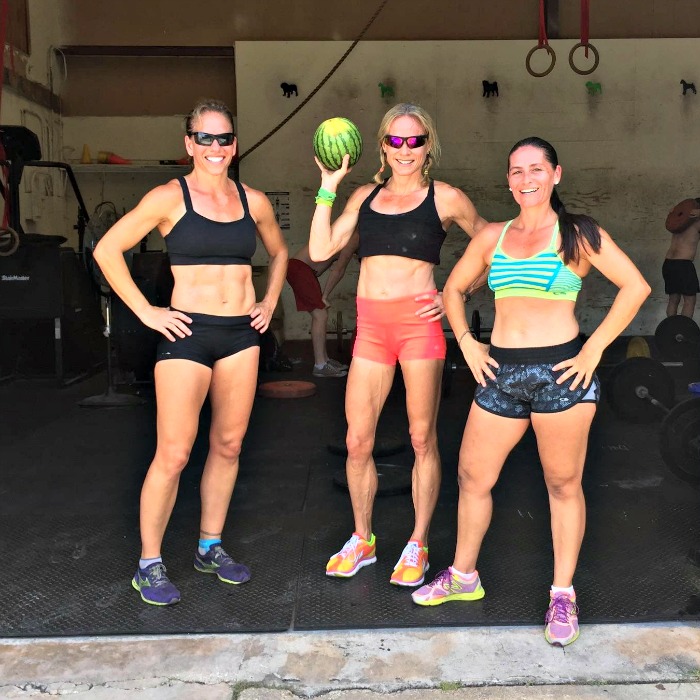
About to share watermelon with my Cross friends - Jennifer Fisher, thefitfork.com
About to enjoy the fruits of our efforts! Sharing watermelon with my Cross friends

3. Nutrient-Packed for Performance, Recovery & Wellness

Beyond hydration, watermelon is a nutritional powerhouse for active lifestyles. It provides:

  • Vitamin C – Supports immune function and tissue repair
  • Potassium – Helps with muscle function and electrolyte balance
  • L-citrulline – A natural amino acid that may reduce muscle soreness and enhance endurance
  • Antioxidants – Such as lycopene, which combats oxidative stress from intense exercise

4. Affordable & Accessible for Any Training Diet

One of the best things about watermelon? It won’t break the bank. Compared to pricey sports nutrition products, watermelon is affordable and accessible to most everyone. In fact, it’s the most affordable fruits in the produce aisle, ounce for ounce. I love this budget-friendly way to fuel my body with clean, whole-food nutrition. Plus, it’s widely available most of the year-round (plus, you can freeze watermelon juice and/or watermelon chunks in off season), so you can always count on it for pre- or post-workout fuel.

Try these effective core exercises that will strengthen your abs, obliques, back and more. The fun part is using a mini personal watermelon -- and then eating it afterward!

5. Eat It, Drink It—Even Lift It!

Not only can you eat and drink watermelon, but you can also use it as a fun equipment for your workout! A whole watermelon makes a great stand-in for weights—try watermelon fitness doing exercises like squats, Russian twists, or overhead presses for a playful and effective workout (check out this Core Watermelon Workout with a watermelon). Whether you’re fueling up before exercise, recovering after a tough session, or getting creative with your training, watermelon has got you covered.

The Bottom Line: Keep It Simple & Sweet (K-I-S-S)

When choosing workout fuel, there’s no need to overcomplicate things. Watermelon provides natural energy, hydration, and key nutrients—all in one tasty, refreshing package. So, skip the artificial stuff and fuel your fitness journey the simple, sweet way. Hurray, watermelon fuel for workouts!