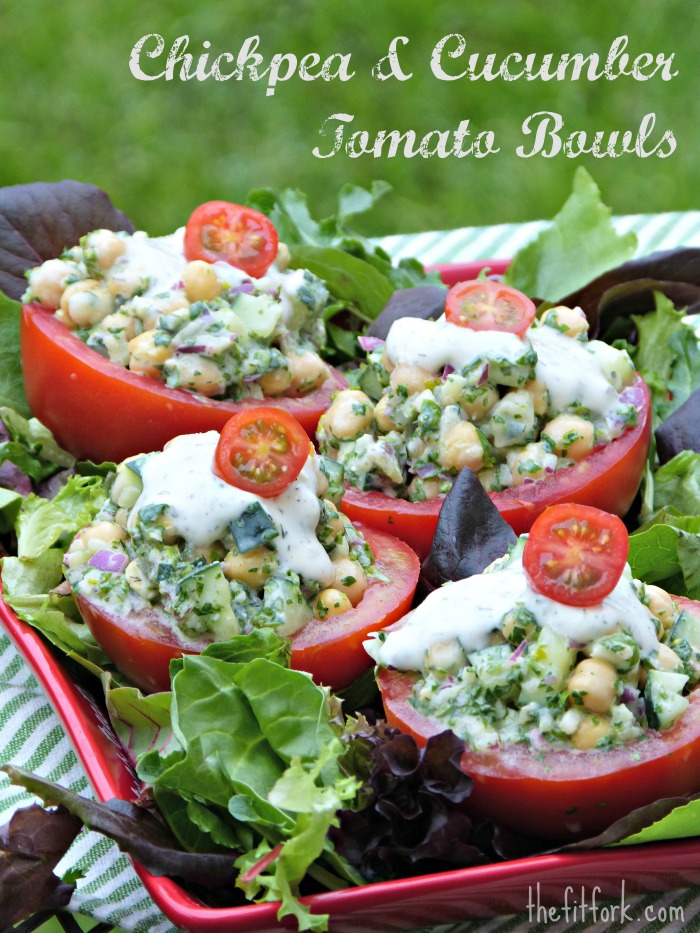
Edible Bowls! Chickpea, Cucumber & Kale in Tomatoes

garbanzo bean and tomato salad


“The chickpea is neither a chick nor a pea. Discuss.”  Remember when Mike Myers chatted about this the “Coffee Talk” comedy sketch on Saturday Night Live?

The chickpea, also known as a garbanzo bean, is actually a legume that has been around for more than 7,500 years. A popular choice for man Mediterranean and Indian dishes, the little chickpea is packed with big nutrition – an excellent source of protein, dietary fiber, and vitamin B6 for vegetarians. Vitamin b6 helps to stabilize blood sugar, metabolize foods and make antibodies to ward off disease.

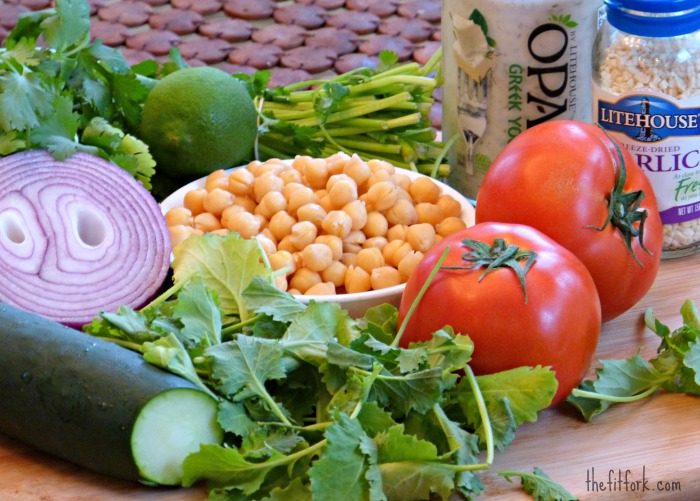
garbanzo beans tomatoes

I came up with this lovely dish for Litehouse Foods and just knew I had to share it here  – it’s perfect for a lunch or light dinner. The cool and crisp salad is dressed with flavors favored along parts of Greece and Italy and packed into a tomato serving as an edible bowl. Did you know the healthy, long-living people of the Mediterranean region eat, on average, nine servings of fruits and vegetables a day? This chickpea salad will get you well on your way to meeting this daily goal.

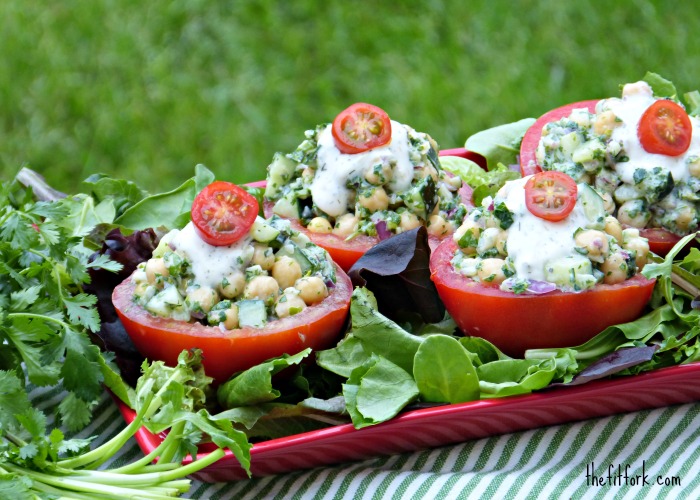
chickpea salad in tomatoes

Chickpea, Cucumber & Kale Tomato Cups with Feta Dill Dressing

  •  1 ½ cups packed kale or baby kale leaves
  • 1/3 cup fresh cilantro leaves
  • ½ red onion cut in chunks
  • 2 Tbsp fresh lime juice
  • 1 Tbsp minced garlic
  • 1 medium cucumber chopped coarsely
  • 1 (15-oz) can rinsed and drained chickpeas
  • 2 large tomatoes (like Beefsteak variety)
  • ½ cup Litehouse Food’s OPA Feta Dill Greek Yogurt Dressing (plus additional for garnish)
  • 2 grape tomatoes cut in half
  • 2 ounces baby spring lettuce mix

Directions

  1. In work bowl of food processor, add kale, cilantro, onion chunks, lime juice and garlic. Pulse for approximately 1 minute or until ingredients are finely chopped like pesto. Set aside.
  2. In medium bowl, add chopped cucumber, rinsed chick peas and mixture from food processor. Add ½ cup dressing  and mix everything together until thoroughly coated.
  3. Cut large tomatoes in half crosswise and scoop out seeds and pulp with spoon (reserve for another purpose, if desired). Fill tomato cups with chickpea mixture and top with a dollop of dressing and grape tomato half. Serve on top of baby spring lettuce mix. Serves 4.

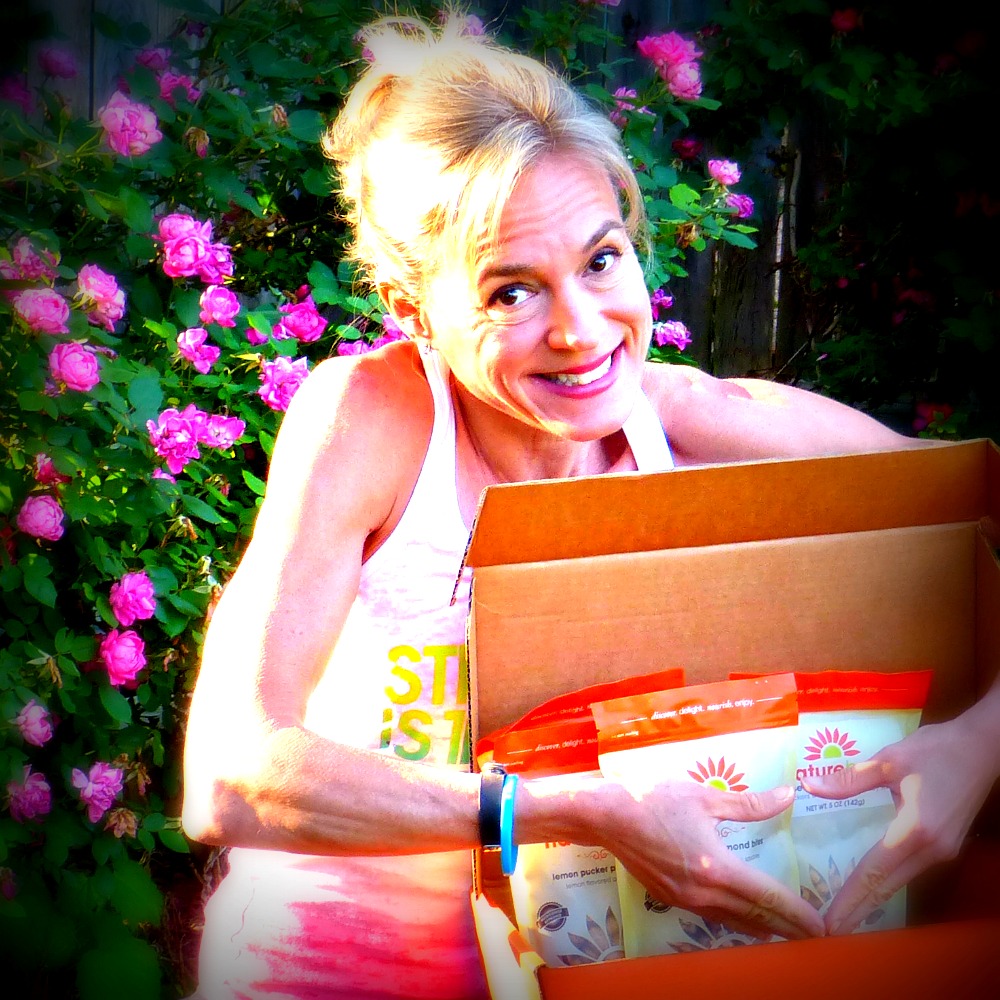
popsugar nature box hand heart

I have another yummy mention – POPSUGAR Must Have Snacks by Nature Box. I received a box full of these nutritious nom-noms in the mail and have been enjoying mixing up my normal afternoon snacking. Being stuck inside working on the computer (and nursing my sprained ribs) is much more tolerable with five bags of healthy snacks like Blueberry Almond Bliss and Lemon Pucker Pistachios.

Check it out for yourself. For a limited time, the POPSUGAR Must Have Snacks by NatureBox will be 50% off!

MHNatureBox_550x550 popsugar

Disclosure: POPSUGAR and NatureBox provided me with a complimentary POPSUGAR Must Have Snacks by NatureBox box. The opinions I have shared about the box are my own, and POPSUGAR and NatureBox did not tell me what to say or how to say it.

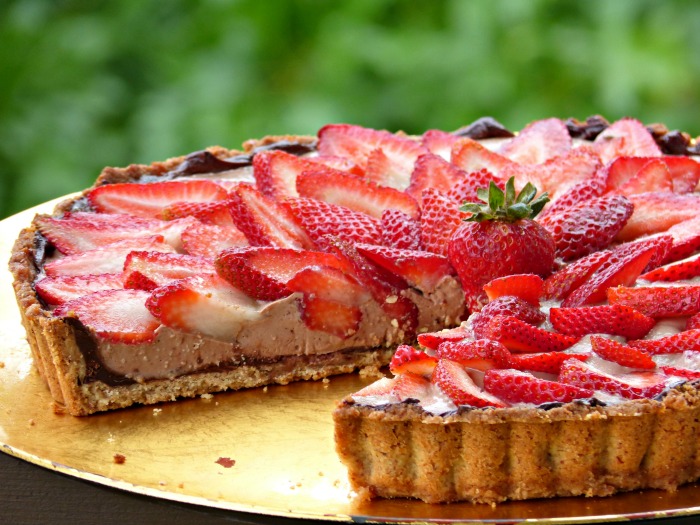
Strawberry Greek Yogurt Tart w/ Gluten-Free Crust

Is there anything that a strawberry dessert doesn’t make better? Not only do these beautiful berries make both sweet and savory dishes sing with the flavors of the season, just the smell of them lifts my mood for the better. Plus, it has only 202 calories per slices (with 12g fat, 16g net carbs, and 7g protein).

Chocolate Yogurt Tart with Strawberries - TheFitFork.com

This recipe for Strawberry Chocolate Greek Yogurt Tart (with Gluten-Free Coconut-Almond Crust) is made in honor of my mom on a past Mother’s Day. Read on to get the recipe and find out why I picked strawberries over other berries — you’ll be surprised.   Continue reading

Anemia in Runners & Healthy Iron Rich Recipes

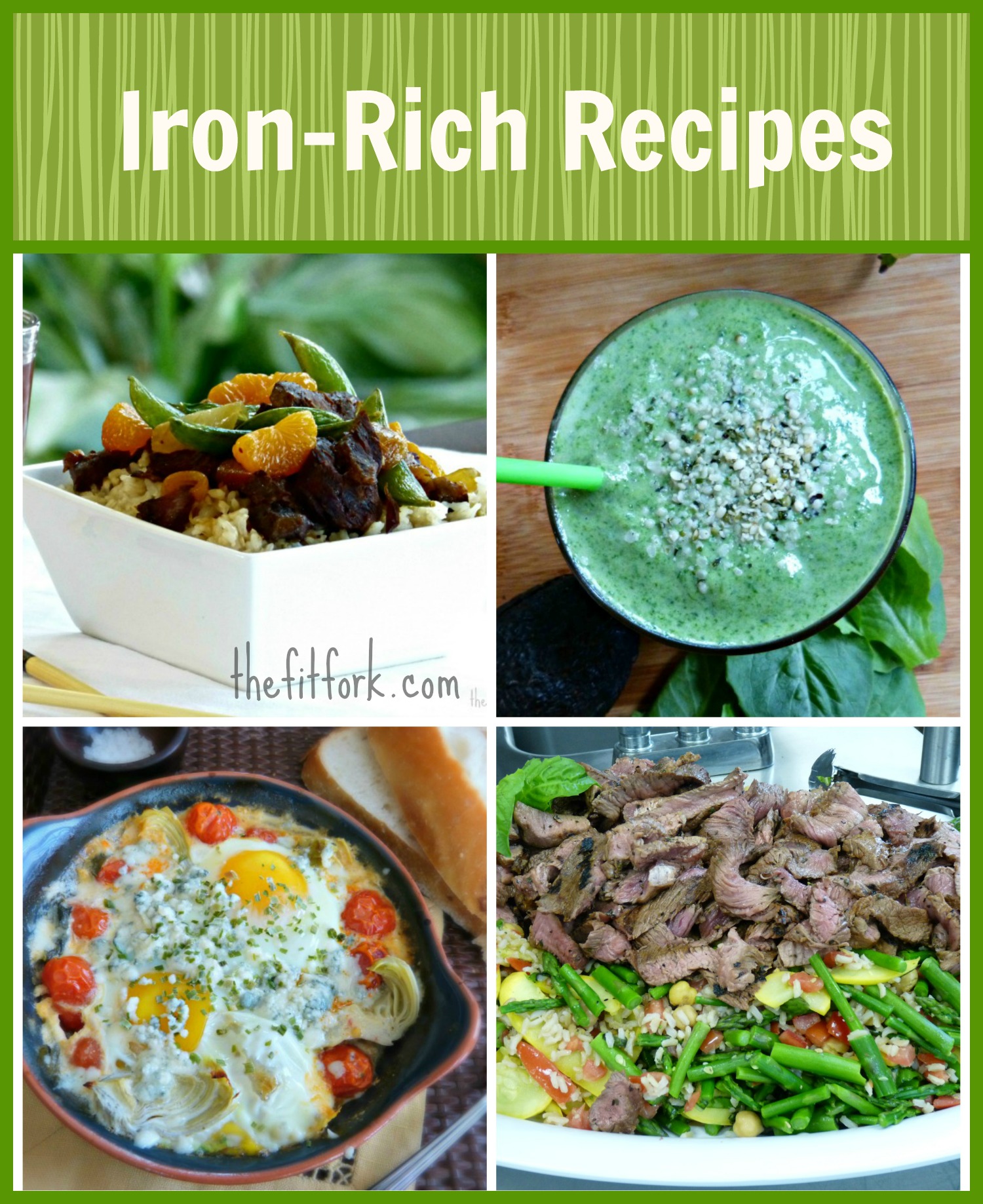
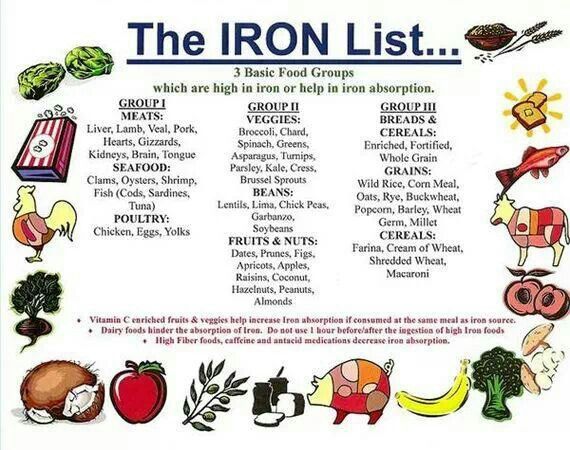
iron rich recipes thefitfork

It’s normal to feel tired after a long run or strenuous session in the gym, isn’t that the point?! However, if you notice increased fatigue, unexplainable muscle soreness or begin having trouble finishing workouts that were once part of your normal routine, the culprit could actually be an iron deficiency. One recent study suggested that more than half (56%) of recreational joggers and competitive runners suffer from an iron deficiency that may negatively affect performance.

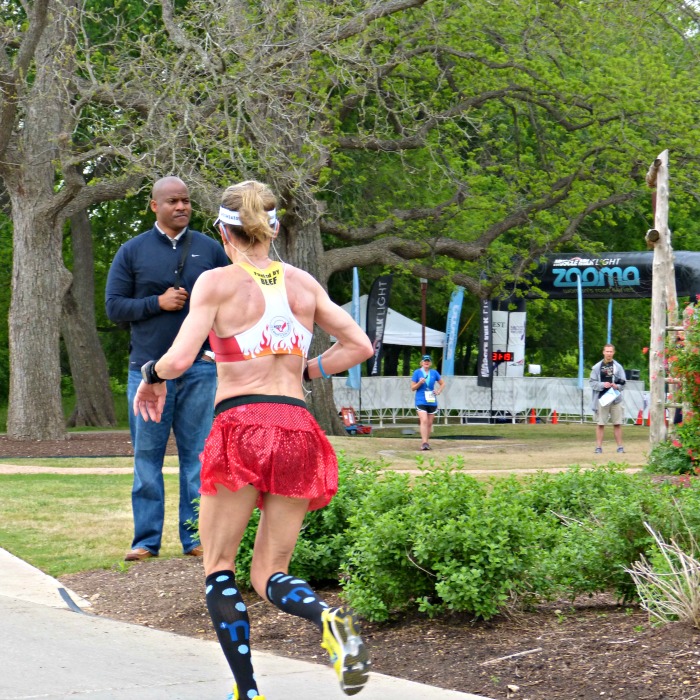
jennifer fisher austin runner zooma

Iron topped off (thanks Team Beef) and running strong at Zooma Texas.

As a quickie science refresher, iron is needed to replenish the constant turnover of red blood cells (at the rate of 1% a day) and to keep this troop of tiny oxygen-deliverers adequately stocked with hemoglobin. Without oxygen moving from your lungs to every part of your body via the red blood cells, organs and tissues are not able to perform as they should, let alone at the optimal capacity demanded by the rigorous training schedule of an athlete.

So, why would a seemingly healthy person, especially an athlete, find themselves battling the malaise brought on by “tired” blood? Here are some obvious and not-so-obvious reasons for iron deficiency in long distance runners and other endurance athletes.

  • Diet: A diet that chronically avoids foods rich in iron may cause anemia, or at a minimum, lower than desired levels of iron. Meat, poultry, fish, eggs, dairy products, or iron-fortified foods are the best sources of iron found in food.
  • Vitamin Deficiency:  Vitamin B-12 and folate both play a role in red blood cell development and can cause anemia if levels are low. A diet without leafy greens, fruits and beans (for the folate) and animal products (for the b-12) can be to blame, as can autoimmune diseases and intestinal problems.
  • Disease and Drugs: Some people consume adequate iron through their diet, but have absorption issues due to diseases including Crohn’s disease and Celiac disease.  Certain drugs may also inhibit the absorption of iron. Consult with your doctor.
  • Pregnancy & Woman Issues: Anemia is fairly common during pregnancy; a woman needs to consume enough iron for herself and her unborn child to avoid becoming depleted. Additionally, heavy menstruation and uterine fibroids can also wear away stores.
  • Sweat: Because iron is a mineral that can be lost through sweat, athletes (especially in endurance events) can become depleted, especially those who perspire heavily and during the summer months.
  • GI Distress: The gastro-intestinal distress, or “runner trots” that affect many athletes during and after events can cause iron deficiency through lost blood. Many are not even aware of the blood loss, as it is eventually passed as waste.
  • Footstrike: Believe it or not, some research suggests that the repetitive and jarring impact of the foot to the ground during running can damage red blood cells in the foot. This “footstrike hemolysis” only reduces trace amounts of iron in the body at a single event, but can add up over time.

So what can be done to increase iron levels and fend off that feeling of fatigue? Depending on the severity, medical professionals would recommend taking supplements and increasing the consumption of iron-rich foods. If you suspect an iron deficiency, please visit with your doctor. In the meantime, be proactive by boosting the amount of iron in your diet with these foods:

foods high in iron

  • Red meat (beef, pork, liver)
  • Egg yolks
  • Dark, leafy greens (spinach, collards, kale)
  • Dried fruit (prunes, raisins, apricots)
  • Iron-enriched cereals and grains (read the labels)
  • Mollusks (oysters, clams, scallops)
  • Fish (tuna, cod, sardine)
  • Turkey or chicken giblets
  • Beans, lentils, chick peas and soybeans
  • Artichokes

Tips:

Combine with vitamin C. Iron absorption is increased when paired with foods loaded in vitamin C. Toss papaya, bell peppers, strawberries, broccoli, oranges, kiwi, pineapple and even cauliflower into your iron-rich recipes; they are all very high in vitamin C.

Pair with protein. Protein helps release the iron contained in beans, so serve them with beef, chicken, tofu, or fish (for example, beef chili with kidney beans).

Cook in cast iron! Research has shown that the iron content of food prepared in cast-iron was 2 to 12 times higher than foods cooked in other types of pots.  Acidic, high-moisture foods (like spaghetti sauce) have the highest levels of desirable leached iron.

Keep iron and calcium apart: As much as possible, try to eat iron rich foods at a different time than calcium rich foods — calcium can inhibit the absorption. So, for example, don’t eat a steak and wash it down with a glass of milk. If you take supplements, do the calcium in the morning and the iron at night, or vice versa. Thank you to Runnng Hutch at Matters of Course for reminding me of this tip.

Iron-Rich Recipe Ideas:

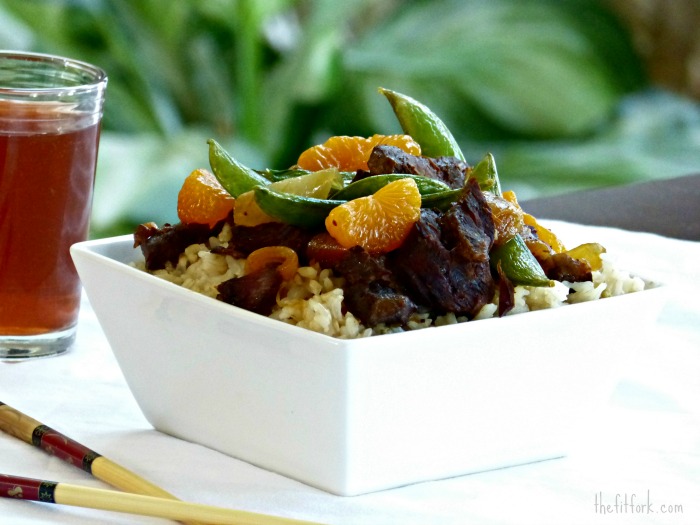
Crock Pot Sugar Snap & Orange Beef

Orange Sugar Snap Pea Beef – You’ll never tire (literally) of this beef slow-cooker dinner thanks to the spicy citrus sauce and orange slices.

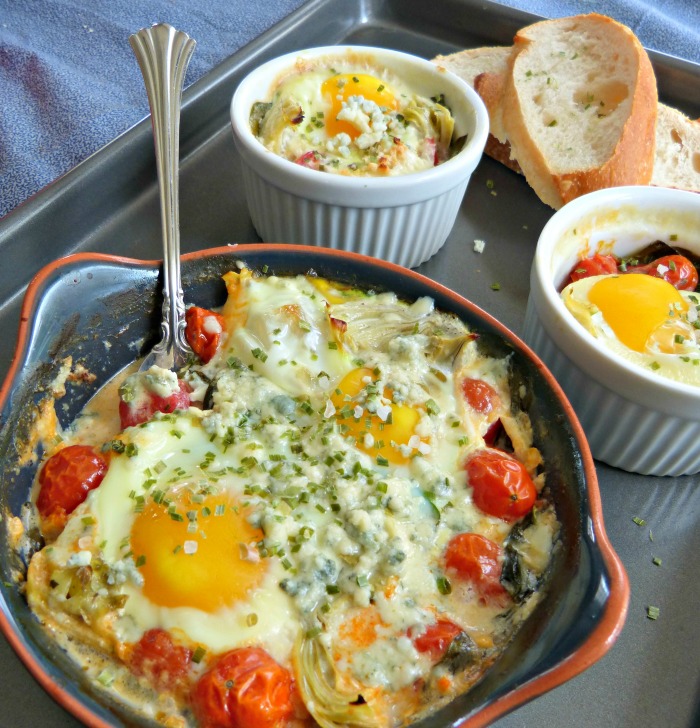
Blue Cheese artichoke spinach eggs

Artichoke Spinach & Blue Cheese Baked Eggs – Artichoke, spinach and egg yolks makes this breakfast the best!

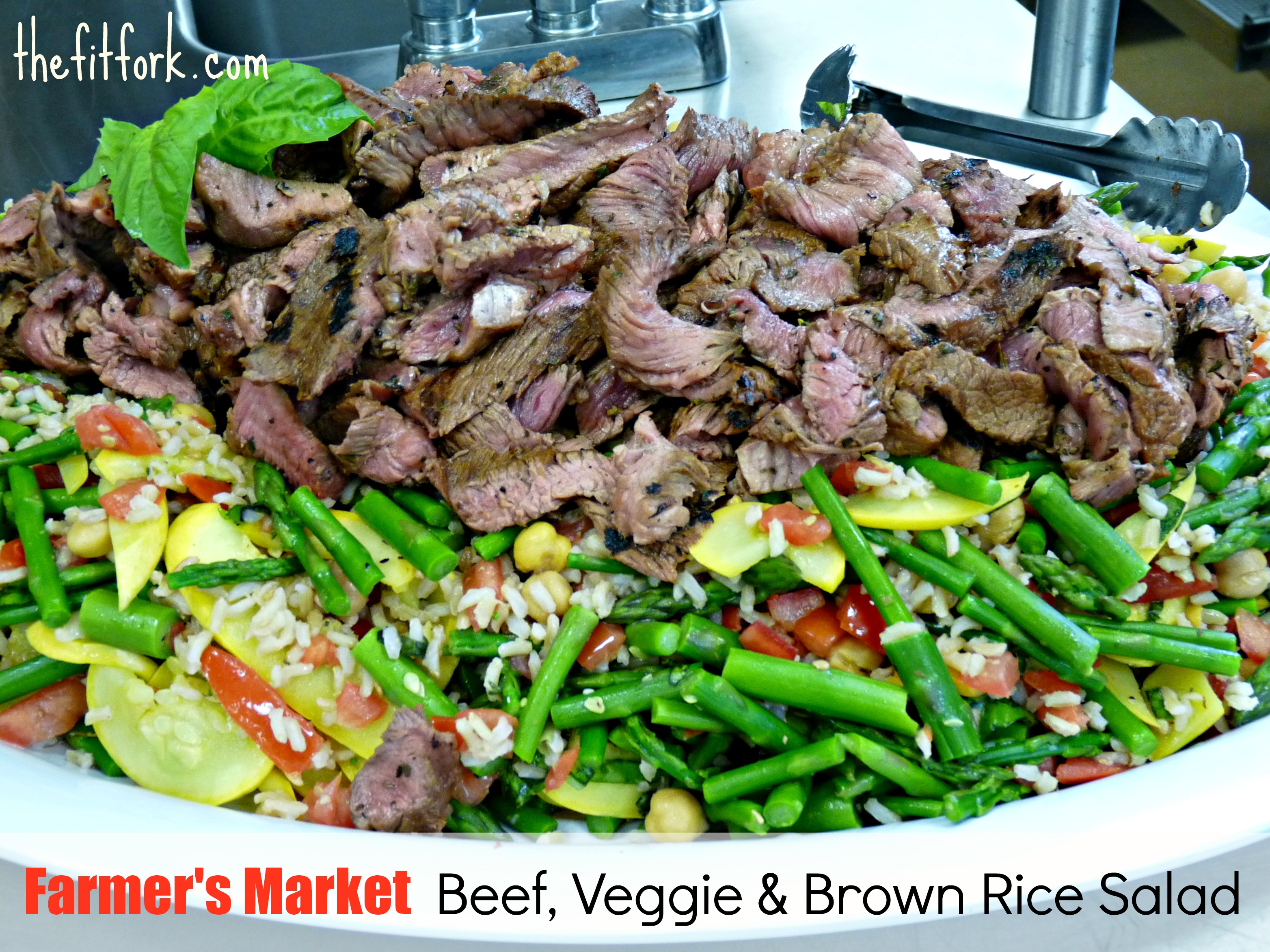
jennifer fisher - thefitfork.com - farmers market beef veggie salad

Farmer’s Market Beef & Brown Rice Salad – High-iron beef unlocks even more iron in chickpeas, plus vitamin C veggies – it’s a three-way winner!

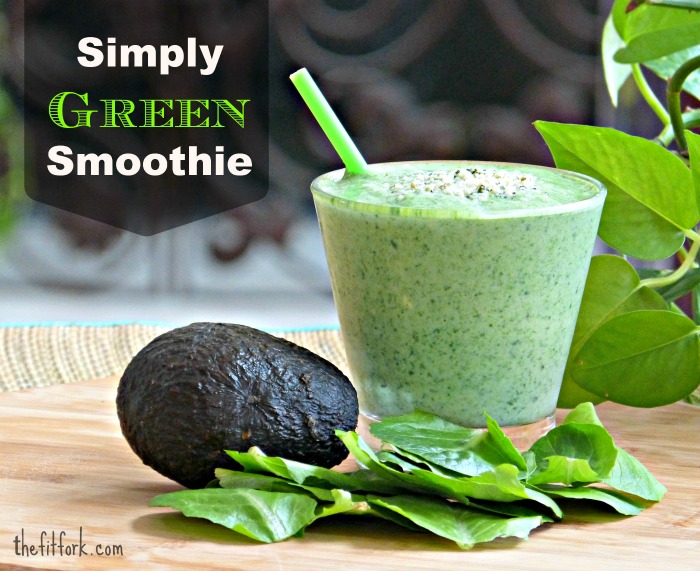
Simply green smoothie

Simple Green Smoothie – The spinach and hemp seed smoothie will kick up iron consumption for vegans and vegetarians.

What is your favorite iron-rich food? Have you ever been diagnosed as anemic?


Protein for Performance & Living Well | Baja Beef Avocado Bowls

boots on the farm

Taking a tour of the organic farm at Travaasa Resort.

I know a thing or two about how lean protein plays an important role in a healthy lifestyle. I blog about it here all the time and I even take my show on the road every now and then to demonstrate how to make the most awesomely delicious and healthy recipes using lean proteins.  But, last week I spent a couple days with the Texas Beef Council (TBC) learning even more about lean protein and how it can be optimally incorporated into a diet that supports the active regimen of an athlete. Fittingly, the event was called Living Well and took place at the gorgeous Travaasa Experiential Resort near Lake Travis (in Austin) and at TBC headquarters not far away.
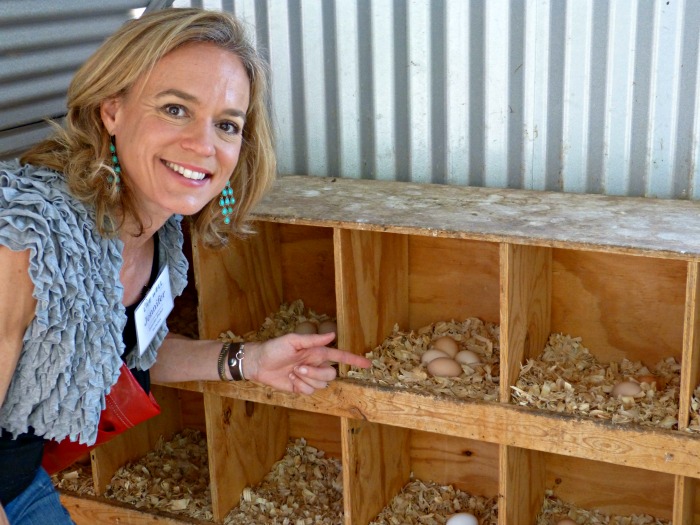
hen house

Farm fresh eggs for my high-protein breakfast.

We toured the resorts organic farm where they grow much of the fruits, vegetables, herbs and eggs used in the restaurant – there are even chickens laying eggs that end up on your breakfast plate!
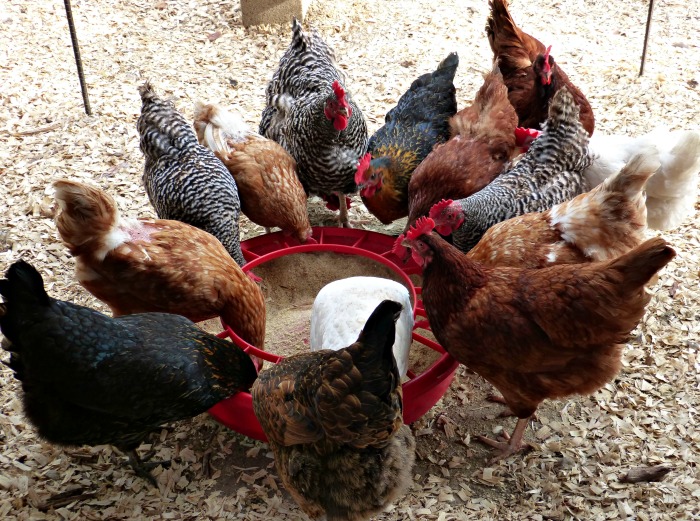
chickens eating

We were treated to a delicious farm-to-fork style dinner complete with wine pairings specifically chosen and described by a sommelier.  While the wine was lost on me (not a huge fan), the delicious food made a memorable impression and showed just how creative one can be cooking with lean beef and fresh, seasonal produce.  Here is a small sampling of our meal which included Beef Carpaccio with Roasted Oyster Mushrooms, Beef Short Rib Zucchini “Cannelloni” filled with Butternut Squash, Goat Cheese and Charred Tomato Sauce, Grilled Marinated Vegetables and Seasonal Salad. Oh, and Chocolate Chipotle Cake with Berries for dessert.
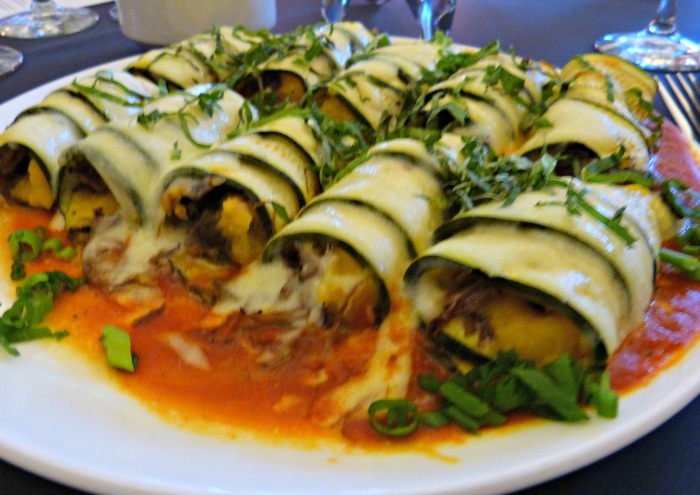
Shredded beef wrapped in zucchini

Beef Short Rib Zucchini “Cannelloni” stuffed with goat cheese and butternut squash.

Here are the important take-away points about protein and nutrition I want to share with you:

Caloric Cost of Plant Protein: The caloric cost of plant protein is very high compared to lean beef. For example, a 3 oz. serving of lean beef has about 150 calories and 25 grams of protein. By comparison, I’d have to eat 540 calories of peanut butter (while I LOVE it) or 382 calories of black beans to total 25 grams protein.  It’s not that you shouldn’t have plant proteins in your diet (variety is the spice of life, right?!), it’s often much more effective to eat a more nutrient-dense serving of lean meat.

Protein Satisfies Hunger & Prevents Snacking:  Higher protein meals, especially at breakfast, increase satiety (the feeling of fullness) that can keep you from snacking on unhealthy fatty and sugar foods later in the day. I can seriously vouch for this.

Behold the Protein Threshold: The “protein threshold,” meaning how much protein it takes to feel satisfied is approximately 30 grams per meal regardless of your body size. This means that a larger or more active person would need more eating occasions to meet their protein needs. However, don’t try to eat all your protein in one sitting, it won’t be effectively used — I space mine out into about four to five 25 – 30 gram “experiences.”

When to Eat Meat (or other Proteins): The timing of protein intake should start at breakfast and continue at a fairly steady state throughout the day. The average person only gets 10 grams of protein at breakfast, 17 grams at lunch and then overdoses with 65 grams in the evening.  These meals should be more like 25 – 30 grams each with protein snacks in between for larger people or athletes with muscle recovery needs. Of course, most of us know that after an intense workout, a protein to carb snack with the ratio 1:3 should be consumed within a 30 minute window for optimal muscle recovery.

Yoga + Extra Protein for Healthy Aging: A research study conducted by one of the presenters showed that muscle mass may be improved and maintained during the aging process with the combination of yoga and increased protein intake!  This researcher recommended the habitual consumption of protein in an amount approximately twice the RDA (so aim for 1.6 grams per kilo) and routine yoga practice.
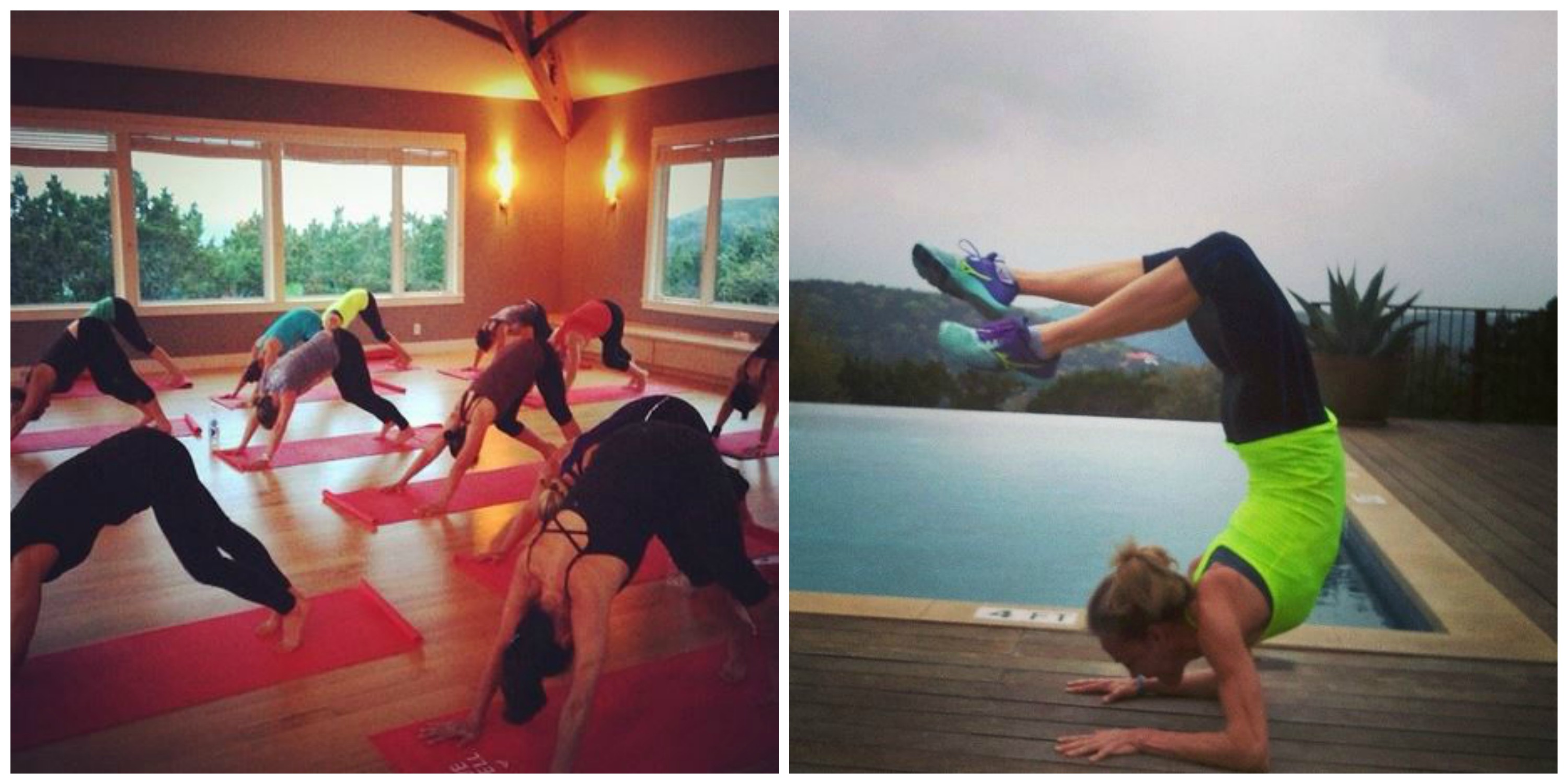
yoga class

Sunrise yoga at Travaasa Resort.

Finally, we also had a wonderful culinary demonstration focusing on the taste of umami and flavors to pair with beef to maximize the umami-ness! After that, we broke off into groups to do a “Chopped” style cooking competition where we were allowed an assigned cut of lean beef (ours was ground beef) along with four other ingredients from the pantry/fridge and unlimited spices and seasonings. Whoot, I love to cook with lean beef!  So, guess which team won? Bam, that’s right, mine – winner, winner, beef dinner!  Even with the most pedestrian cut of beef, ground beef, we created a vibrant and healthy recipe worthy of your healthy dinner plate. I’ve replicated the recipe to the best of my memory below:
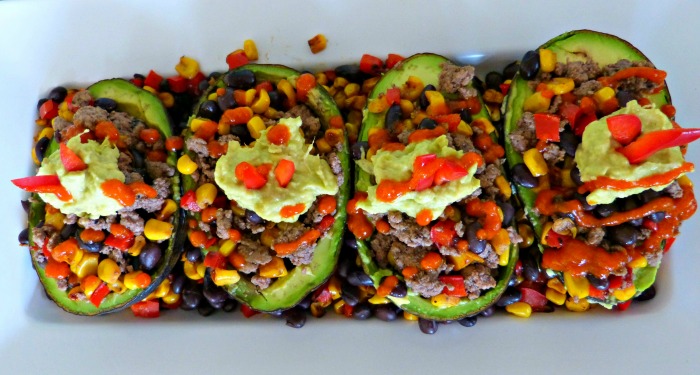
beef and vegetable stuffed avocados

Baja Beef Avocado Bowls Recipe

  •  1 lb 93% or leaner ground beef
  • 1 15-ounce can black beans, rinsed
  • 1 tablespoon olive oil
  • 1 large red bell pepper, diced
  • 12 ounces frozen (or preferably fresh) corn
  • 2 tablespoons steak seasoning of choice
  • 2 large avocados
  • Salt
  • Sriracha sauce
  1. In large skillet, over medium-high, brown ground beef into crumbles (temperature should reach 160 F degrees) and season with 1 tablespoon of steak seasoning. Drain off any excess fat. Transfer to large mixing bowl; set aside.
  2. Add oil to same skillet (unwashed) and add frozen corn, red peppers and remaining steak seasoning. Sauté over medium-high to high until vegetables are beginning to “roast” and blacken slightly on the outside, approximately 10 -15 minutes.
  3. Add ½ of sautéed vegetables to bowl with ground beef; stir to combine. Reserve remaining vegetables
  4. Cut avocados in half lengthwise and remove seed. Using spoon, remove some of the flesh to create a bowl with the remaining flesh and exterior skin. In small bowl, smash together removed avocado flesh with salt to create guacamole; set aside.
  5. To plate, mound ¼ of reserved vegetable mixture (without meat) onto center of plate. Top with avocado bowl. Fill avocado bowl with beef and veggie mixture, top with a dollop of guacamole and red bell pepper garnish. Drizzle with Sriracha, if desired. Repeat for remaining three avocado bowls.

Serves 4.
Eat More Fruits & Veggies | Confetti Lettuce Wraps #Recipe

It’s the most wonderful time of the year. Hum along now. There’s fresh produce for shopping with vine-ripe goodness a popping, to nourish my family held dear. Yes, it’s the hap- happiest season of all, with foods so darn delicious and purposefully nutritious, for friends come over to call.  Okay, while I might not be a songwriter at heart, I certainly am a natural-born lover of warm weather and the wonderful bounty of byproducts the spring season brings – namely an abundance of fruits and vegetable, beautiful flowers and the invitation of mild mile upon mile on the running trails.

running through flowers

Today I’m so happy to share a trail running tempo run I created for CorePower.com (and awesome, high-protein recovery shake I frequently drink) and a rainbow-inspired dinner idea for Confetti Veggie, Fruit & Bean Lettuce Wraps – perfect for a  #MeatlessMonday!

Now, onto the food! I love this healthy recipe because it uses more fruits and vegetables that can be counted on two hands. Gobble up a few of these lettuce wraps for lunch or dinner and you’ll be well on your way (if not exceeding) daily consumption goals for fruits and vegetables. Did you know, according to the Center for Disease Control, only a third of American adults report eating two servings a fruit a day and less than 27 percent consumed three or more servings of veggies, the minimum recommended daily amount (RDA)?  Notice how I bolded the word minimum? That’s because the RDA sets forth only the lowest level of nutrients needed for the average, already healthy person to keep from becoming malnourished. The minimum.

fresh fruits and vegetables
Much more than the MINIMUM in this healthy salad recipe!

I truly believe we should all be eating more fruits and vegetables, as opposed to the minimum. I wrote a post for Living Litehouse about how, as Americans, we are blessed to live in a country with easy access to high-quality, fresh foods that are reasonably affordable in the scheme of things. If you don’t agree, put your Starbuck’s latte or iPhone down and think about it for a minute — I’m taking a soapbox stance here.

vintage fruit and vegetable poster
Fill half your plate with fruits and vegetables!

I recently gave an affordable healthy cooking demonstration in a 300+ packed auditorium in the lower-income part of town. The participants were friendly, engaged and open to learning my healthy cooking tips. Many approached me afterward talking about the woes of chronic health conditions (created by being overweight). I got home and, at first, thought it unusual that I had about 250+ more “direct” referrals in my Google Analytics for the day – that is, until I realized that as I was on the stage, all these low-income people were hitting my blog from their smart phones.  This argument that eating healthfully is too expensive gets a reality check. Remember,  you don’t need to shop at Whole Foods (unless you have money to burn) to eat well. Put down the $6 fruit cup and buy a sale-priced 10-pound bulk bag of the grapefruit (or whatever) for half the price at the “regular” grocery store.

A recent Harvard study reports it only takes $1.50 per day to eat a “healthy” diet as opposed to the processed, packaged and convenience diet that has become a way of life for many – I’d even say it costs even less if you know how to shop sales. So, in the end – it’s a priority, do you want a data plan or to die? Okay, I know that’s a little extreme – but you know what I’m saying.

rainbow lettuce wraps

Confetti Veggie, Fruit & Bean Lettuce Wraps Recipe.

  • ½ cup seeded and diced cucumber
  • ½ cup grated carrots
  • ½ cup chopped red onion
  • ½ cup diced strawberries
  • ½ cup diced pineapple
  • ½ cup diced papaya
  • ½ cup diced mango
  • 1 15-oz. can black beans – drained and rinsed
  • 1 tbsp. chopped fresh cilantro
  • 2 tbsp. diced fresh Jalapeno
  • 2 tbsp. green onions, sliced
  • 2 head washed and dried baby romaine lettuce leaves
  • 2 oz. crumbled feta cheese
  • 1 oz. snow pea shoots
  • 4 oz. Litehouse Food’s Huckleberry Vinaigrette* (extra  for dipping)

*You can use any “sweet-ish” vinaigrette you prefer like a poppy seed, honey Dijon, balsamic, etc.  I just love the Huckleberry Vinaigrette by Litehouse Foods because it is so fresh and flavorful, not too sweet – and has actual whole huckleberries in the bottle!

  1.  In large bowl, toss together cucumber, carrots, red onion, strawberries, pineapple, papaya, mango, black beans, cilantro, jalapeno and green onions.
  2. Stir in Huckleberry Vinaigrette (or dressing of choice) and allow mixture to sit for five minutes so herbs rehydrate.
  3. Add a spoonful of fruit and vegetable mixture to the center of lettuce leaf. Repeat for remaining lettuce leaves and mixture.
  4. Sprinkle feta cheese on top of mixture and garnish with snow pea shoots.
  5. Serve with additional Huckleberry Vinaigrette for dipping
rainbow confetti salad

Also makes a great topping for fish, pork and poultry!